Introduction
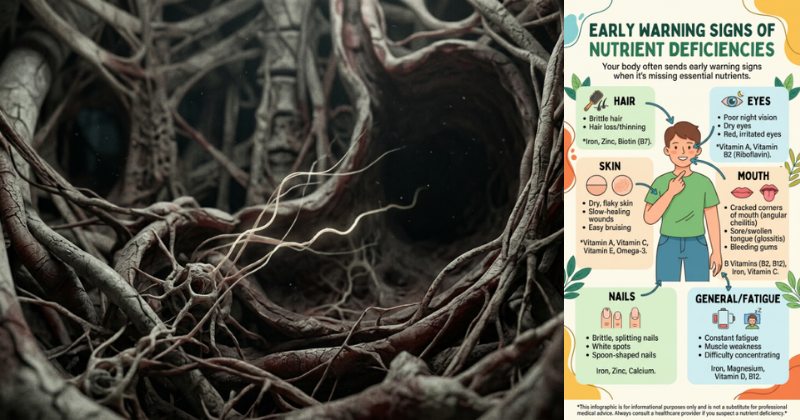
Feeling tired, noticing changes in your skin, or dealing with unusual cravings? These might not be random. Your body is constantly communicating—and nutrient deficiencies are one of the ways it sends early warning signs.
Understanding these signals can help you correct imbalances early and support your overall health before problems become more serious.
In this guide, you’ll learn:
- Common signs of nutrient deficiencies
- What they might indicate
- Simple ways to support your body through diet
Why Nutrient Deficiencies Happen
Even with regular meals, your body can lack essential nutrients due to:
- Poor diet quality
- High stress levels
- Digestive issues
- Skipping meals or restrictive diets
When nutrients are low, your body starts showing subtle symptoms.
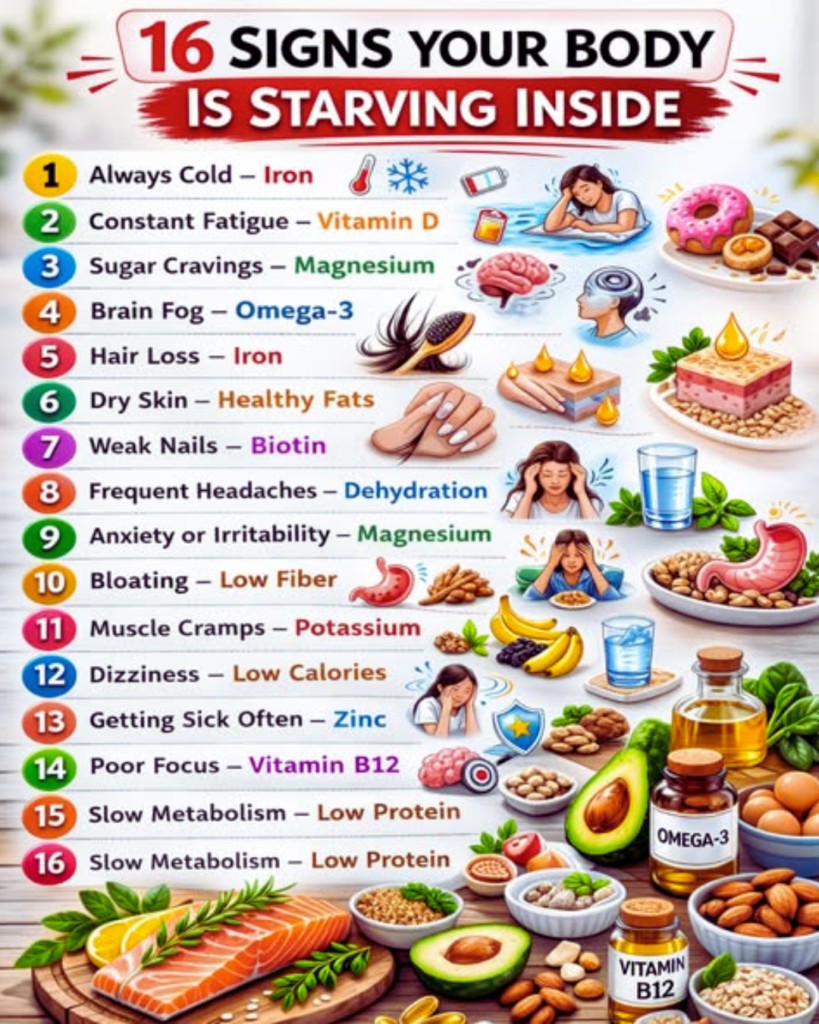
Common Warning Signs & What They Mean
1. Constant Fatigue
Possible Deficiencies:
- Iron
- Vitamin B12
- Vitamin D
What It Means:
Low energy production in the body, often linked to poor oxygen transport or metabolism.
Support Tip:
Include iron-rich foods (leafy greens, legumes) and B vitamins (eggs, whole grains).
2. Hair Thinning or Hair Loss
Possible Deficiencies:
- Iron
- Zinc
- Biotin
What It Means:
Hair follicles are sensitive to nutrient shortages.
Support Tip:
Add nuts, seeds, eggs, and protein-rich foods to your diet.
3. Dry or Dull Skin
Possible Deficiencies:
- Vitamin A
- Vitamin E
- Omega-3 fatty acids
What It Means:
Skin barrier may be weakened, leading to dryness.
Support Tip:
Include healthy fats like olive oil, nuts, and fatty fish.
4. Frequent Illness
Possible Deficiencies:
- Vitamin C
- Vitamin D
- Zinc
What It Means:
A weakened immune system.
Support Tip:
Eat citrus fruits, leafy greens, and zinc-rich foods like seeds.
5. Cracks at the Corners of the Mouth
Possible Deficiencies:
- B vitamins (especially B2 and B6)
- Iron
What It Means:
Often linked to poor nutrient absorption or intake.
6. Muscle Cramps or Weakness
Possible Deficiencies:
- Magnesium
- Potassium
- Calcium
What It Means:
Electrolyte imbalance affecting muscle function.
Support Tip:
Include bananas, nuts, and leafy greens.
7. Brain Fog & Poor Focus
Possible Deficiencies:
- Omega-3 fatty acids
- Iron
- B vitamins
What It Means:
Your brain isn’t getting the nutrients it needs for optimal function.
8. Brittle Nails
Possible Deficiencies:
- Iron
- Biotin
What It Means:
Weak nail structure due to lack of nutrients.
9. Mood Changes or Irritability
Possible Deficiencies:
- Vitamin D
- Magnesium
- B vitamins
What It Means:
Nutrients play a key role in neurotransmitter production.
How to Support Your Body Naturally
- Eat a balanced diet with whole foods
- Include fruits, vegetables, protein, and healthy fats
- Stay hydrated
- Avoid excessive processed foods
- Consider medical advice if symptoms persist
Important Note
These signs are not a diagnosis. If symptoms are ongoing or severe, it’s important to consult a healthcare professional for proper testing and guidance.
Conclusion
Your body gives subtle clues when it’s missing essential nutrients. By paying attention to signs like fatigue, hair loss, or skin changes, you can take early action and support your health through better nutrition and lifestyle choices.