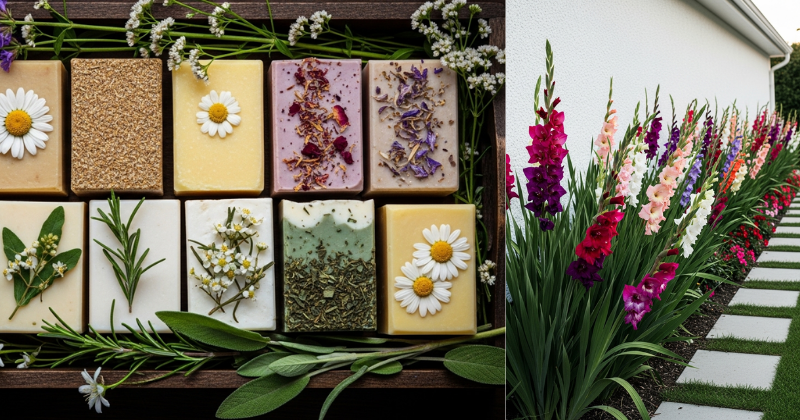
The moment water meets a soapwort leaf—that first gentle foam rising like a whisper from the plant’s crushed fibers—something ancient awakens in us. Plants that can be used as soap carry within their cellular architecture the same cleansing wisdom that served our ancestors long before synthetic detergents colonized our bathrooms and laundry rooms.
These botanical cleansers produce saponins—natural compounds that create lather and lift dirt from skin, hair, and fabric through molecular alchemy older than civilization itself. Discovering and using these plants reconnects us to an intimate, elemental relationship with vegetation, where every wash becomes a small ceremony of remembrance and every garden transforms into a living apothecary of purification.
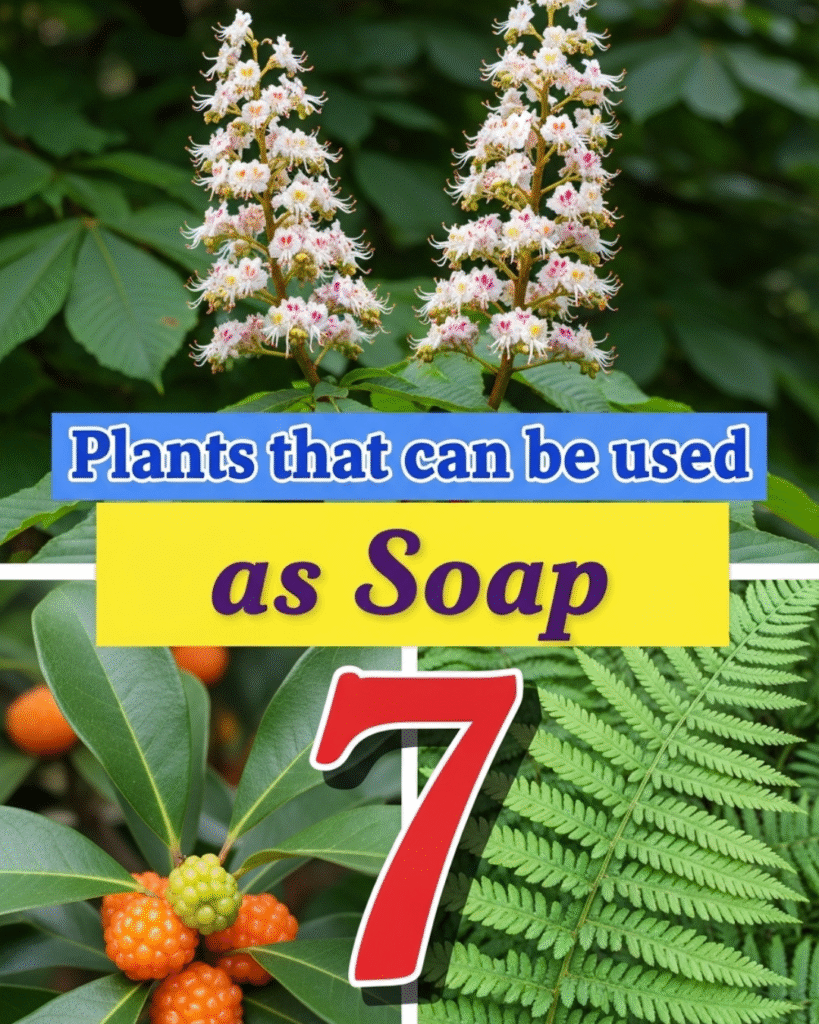
Understanding Saponins: The Chemistry of Natural Cleansing
Before we explore the seven remarkable plants that gift us their cleansing properties, we must understand the molecular poetry that makes their magic possible—the dance between water and oil orchestrated by compounds plants evolved for entirely different purposes than washing human hands.
The Molecular Architecture of Plant-Based Soap
Saponins possess an amphiphilic structure—simultaneously attracted to both water and oils, like a diplomat fluent in two opposing languages. One end of the saponin molecule loves water (hydrophilic), while the other embraces fats and oils (lipophilic). This dual nature allows saponins to function as natural surfactants, lowering water’s surface tension while emulsifying the oils that trap dirt against our skin.
When you crush a soap-bearing plant in water, saponin molecules arrange themselves spontaneously into micelles—microscopic spheres where the oil-loving tails capture greasy dirt while water-loving heads remain oriented toward the surrounding water. This configuration allows dirt to be rinsed away completely, carried by water that would normally bead and roll off oily surfaces. The foam that delights us represents visual evidence of this molecular reorganization—bubbles are simply air trapped within saponin-stabilized water films.
Why Plants Evolved These Cleansing Compounds
Plants didn’t develop saponins to wash dishes or cleanse human skin. These bitter, foaming compounds serve as chemical defenses against insects, fungi, and grazing animals—the taste repels herbivores while antimicrobial properties protect against pathogenic invasion. Some saponins also regulate plant hormones and facilitate nutrient absorption from soil. That these defensive compounds happen to clean remarkably well represents one of nature’s generous coincidences, a serendipitous overlap between plant survival strategies and human hygiene needs.
This evolutionary origin explains why soap plants often taste bitter and why traditional herbalism warns against ingesting large quantities—the same properties that deter insects can upset human digestive systems. Yet applied externally, these compounds become allies, their antimicrobial effects benefiting skin health while their emulsifying action removes unwanted oils and accumulated grime.
The Seven Botanical Cleansers: A Treasury of Natural Soap Plants
Each of these seven plants offers unique cleansing properties, growing requirements, and traditional uses. Some thrive in cultivated gardens while others grow wild in specific ecosystems, waiting for recognition of their sudsy potential.
1. Soapwort (Saponaria officinalis): The Gentle Cleanser
Soapwort stands as perhaps the most famous soap plant, its very botanical name—Saponaria, from the Latin sapo meaning soap—announcing its purpose to anyone with rudimentary Latin. This perennial herb produces clusters of pink or white flowers that perfume summer evenings while its roots, leaves, and stems contain abundant saponins perfect for delicate washing tasks.
Medieval Europeans cultivated soapwort specifically for laundering fine woolens and silks that harsh lye soaps would damage. Museum textile conservators still use soapwort today for cleaning antique fabrics too fragile for modern detergents—a testament to this plant’s gentle yet effective cleansing action. The foam it produces feels soft against skin, lacking the harsh stripping quality of strong synthetic detergents.
Growing soapwort: This hardy perennial tolerates various soil types but prefers well-drained ground in full sun to partial shade. Plant root divisions or seeds in spring, spacing plants 12-18 inches apart. Soapwort spreads enthusiastically through underground rhizomes—some consider it invasive, though this vigorous growth ensures abundant soap material. Harvest roots in fall after several years’ growth when saponin content peaks, or gather leaves and stems throughout the growing season for immediate use.
Using soapwort: Simmer a handful of fresh leaves, stems, or chopped roots in water for 15-20 minutes, then strain. The resulting liquid produces foam when agitated and works beautifully for washing delicate garments, shampoo, or as gentle facial cleanser. The decoction remains effective for several days when refrigerated.
2. Soap Nuts (Sapindus mukorossi): Nature’s Laundry Detergent
Soap nuts—actually berries from the soapberry tree native to the Himalayas and India—contain such concentrated saponins that a single dried berry shell can produce suds through multiple wash loads. Traditional Ayurvedic medicine has employed soap nuts for centuries, both for washing and as remedy for various ailments, recognizing their antimicrobial and anti-inflammatory properties.
The trees themselves grow magnificent and shade-giving, though they require tropical to subtropical climates. For those in temperate zones, purchasing dried soap nuts provides access to this remarkable natural cleanser without cultivation challenges. The shells store indefinitely when kept dry, making them practical for year-round use regardless of season.
Growing soap nut trees: Only feasible in USDA zones 9-11 where winters remain frost-free. Trees require full sun, well-drained soil, and regular watering during establishment. They begin producing fruit after 8-10 years, then continue bearing for decades. The trees reach 50-60 feet tall, making them suitable only for large properties or as part of permaculture orchards in appropriate climates.
Using soap nuts: Place 4-6 dried berry shells in a small cloth bag, add to washing machine with laundry, and wash as normal. The shells release saponins as they tumble with clothes in hot water. Reuse the same shells for 3-4 loads before replacing. For liquid soap, simmer 15-20 shells in 4 cups water for 30 minutes, strain, and use the resulting liquid as all-purpose cleaner, shampoo, or body wash. The liquid keeps refrigerated for about two weeks.
3. Yucca (Yucca species): Desert Cleansing Power
Yucca plants—those dramatic desert sentinels with sword-like leaves and towering flower spikes—contain substantial saponins in their roots. Native American tribes throughout the southwestern United States and Mexico utilized yucca roots extensively for washing hair, bodies, and textiles. The name “soapweed” applied to certain yucca species testifies to this traditional use.
Yucca root produces a light lather with slightly astringent properties particularly beneficial for oily hair and skin. The foam feels different from soapwort’s—less voluminous but with a pleasant slippery texture that rinses clean without residue. Beyond cleansing, yucca extracts contain beneficial compounds including vitamins, minerals, and antioxidants that nourish skin and hair.
Growing yucca: These drought-tolerant perennials thrive in USDA zones 4-11 depending on species, preferring full sun and extremely well-drained soil. Yucca tolerates neglect beautifully—in fact, overwatering proves more problematic than drought. Plant in sandy or gravelly soil, water sparingly after establishment, and simply allow the plant to grow. Mature plants develop thick roots suitable for soap-making after 3-5 years.
Using yucca root: Dig roots from mature plants (the plant will regenerate from remaining roots), clean thoroughly, and pound or grind fresh roots with water to release saponins. The resulting liquid produces foam when agitated and works as shampoo, body wash, or spot cleaner for laundry. Dried yucca root can be stored and rehydrated when needed—chop dried root, simmer in water for 20 minutes, strain, and use the soapy liquid.
4. Horse Chestnut (Aesculus hippocastanum): The Autumn Gift
Horse chestnut trees drop their glossy brown seeds each autumn—nuts that prove mildly toxic for consumption but excellent for washing purposes. The seeds contain aescin, a saponin mixture with strong foaming properties and anti-inflammatory effects. Traditional European households collected these freely available nuts for homemade laundry detergent, continuing a practice that modern sustainability enthusiasts are rediscovering.
The trees themselves provide spectacular spring flowers—upright white blooms that attract pollinators before developing into spiky green capsules containing the prized nuts. A single mature tree produces enough nuts to supply a household’s laundry needs throughout the year, representing truly free soap literally falling from the sky each October.
Growing horse chestnuts: These large deciduous trees suit USDA zones 3-8, requiring full sun to partial shade and moist, well-drained soil. They eventually reach 50-75 feet tall with equally broad canopies, making them suitable only for properties with substantial space. Alternatively, simply gather fallen nuts from street trees, parks, or public spaces where they often create cleanup challenges for municipalities—your soap gathering performs a public service.
Using horse chestnuts: Chop 6-8 nuts coarsely (shells included), place in jar with 2 cups water, and let soak overnight. The water extracts saponins, turning milky. Strain and add this liquid to laundry—it works particularly well for delicate fabrics and hand-washing. The nuts can be reused 2-3 times before saponin content depletes. Dried and stored nuts remain viable all year, providing laundry soap regardless of season.
5. California Soap Plant (Chlorogalum pomeridianum): Native Western Treasure
This California native bulb produces clusters of white flowers that open at dusk, filling summer evenings with delicate fragrance. But the bulb beneath the soil holds the true treasure—fibrous outer layers so rich in saponins that Native California tribes used them extensively for fishing (the suds stupefied fish), washing, and even as shampoo that purportedly controlled dandruff.
The plant’s common name leaves no ambiguity about its primary traditional use. Crushing the bulb’s outer fibers in water produces impressive lather that early California settlers quickly adopted for their own washing needs. The bulb’s core remains edible when properly prepared, making this a dual-purpose plant—though harvesting for food obviously precludes soap use from the same specimen.
Growing California soap plant: This species thrives in USDA zones 7-10, preferring full sun and dry summer conditions mimicking its native California grassland habitat. Plant bulbs in fall, allow winter rains to promote growth, then let plants go dormant during summer drought. They reseed moderately, gradually naturalizing in appropriate conditions. Harvest bulbs after 3-4 years when they’ve reached substantial size.
Using California soap plant: Peel away the bulb’s fibrous outer layers (these contain the highest saponin concentration), crush or chop them, and agitate in water. The resulting foam works for washing hands, hair, or delicate fabrics. The crushed fibers can also be rubbed directly on skin as a scrubbing soap—traditional users noted its effectiveness for removing poison oak oils after exposure.
6. Bouncing Bet (Another Name for Soapwort): The Cottage Garden Classic
Though technically the same plant as previously mentioned soapwort (Saponaria officinalis), the common name “Bouncing Bet” deserves its own recognition for the charming folklore it represents. Colonial American laundresses were nicknamed “Bouncing Bets” for their vigorous washing motions, and the soap plant that aided their work inherited this affectionate title.
This emphasizes soapwort’s historical importance in household management—it wasn’t merely a botanical curiosity but an essential working plant that made the labor-intensive process of hand-washing slightly easier. Cottage gardens traditionally included Bouncing Bet alongside other practical plants like lavender, thyme, and chamomile, creating gardens that served both beauty and utility.
The cultural history embedded in common plant names like Bouncing Bet reminds us that our relationship with useful plants extends beyond chemistry into the realm of story, tradition, and cultural memory. When you grow and use soapwort, you participate in centuries of domestic practice, joining hands across time with countless laundresses who crushed these same leaves in water and marveled at the foam.
7. Buffalo Gourd (Cucurbita foetidissima): Desert Survivor’s Soap
This perennial wild gourd sprawls across arid southwestern landscapes, its thick roots diving deep to find moisture while surface vines spread opportunistically across the ground. The roots contain significant saponins that southwestern Native tribes utilized for washing, particularly valuing the plant’s antimicrobial properties for treating skin conditions.
The name “foetidissima” (meaning “most fetid”) refers to the plant’s pungent odor when crushed—a smell that doesn’t translate to the finished soap but certainly makes harvesting memorable. Despite this aromatic intensity, the roots produce effective, gentle cleanser once processed and diluted with water.
Growing buffalo gourd: Only practical in arid climates of USDA zones 4-9 with low humidity. This native plant requires full sun, excellent drainage, and minimal irrigation once established. The vines spread aggressively—up to 20 feet from the taproot—making buffalo gourd suitable for large spaces or areas where its sprawling nature won’t overwhelm other plants. The thick taproot develops over several years, with older roots providing better soap-making material.
Using buffalo gourd: Dig roots (wearing gloves due to the strong smell), clean thoroughly, and chop into small pieces. Simmer in water for 30 minutes to extract saponins, strain, and use the resulting liquid as general cleanser. The dried root powder can be mixed with water as needed for washing. Traditional users particularly valued buffalo gourd soap for washing wool, noting that it cleaned effectively while maintaining fiber quality.
Harvesting and Preparation Methods: From Garden to Cleanser
Understanding proper harvest timing and preparation techniques maximizes the cleansing effectiveness of your soap plants while ensuring sustainable yields that allow plants to regenerate for future harvests.
Seasonal Considerations for Optimal Saponin Content
Plant saponin concentrations vary throughout the growing season, influenced by growth stage, stress levels, and resource allocation. Generally, roots contain peak saponin content in autumn after plants have stored energy for winter. This timing also proves practical—autumn harvest causes minimal damage to perennial plants entering dormancy.
For aerial parts (leaves and stems), harvest during active growth when plants are flowering—this stage coincides with maximum metabolic activity and typically higher saponin production. Morning harvest after dew has dried but before afternoon heat captures plants at their freshest, with full moisture content that facilitates processing.
Basic Extraction Technique: Releasing the Suds
The simple decoction method: Chop fresh plant material (or use dried material rehydrated briefly), place in pot with water (ratio of 1 part plant to 4 parts water), bring to gentle boil, then reduce heat and simmer 15-30 minutes. The water gradually extracts saponins from plant tissue, turning soapy. Strain through cloth to remove plant matter, reserving the liquid cleanser.
Cold extraction for delicate materials: Some soap plants, particularly soapwort leaves, release saponins through simple crushing and cold water agitation. Place plant material in jar with water, crush or muddle to break cell walls, then shake vigorously. Let sit several hours or overnight, shaking periodically. Strain and use the resulting liquid—this method preserves more volatile compounds that might evaporate during heating.
Drying for storage: Most soap plants can be dried for year-round use. Harvest at peak saponin content, clean thoroughly, and dry in well-ventilated area away from direct sunlight. Once completely dry (stems snap rather than bend), store in airtight containers in cool, dark location. Dried material keeps 1-2 years, allowing you to stockpile soap resources from bountiful harvests.
Practical Applications: Using Your Plant-Based Soaps
The liquid cleansers and foaming agents you extract from these seven plants serve numerous purposes, replacing commercial products while offering gentler alternatives for sensitive skin and delicate materials.
Laundry Applications: From Delicates to Daily Wear
Add soap plant decoction directly to washing water—hot water enhances saponin action, though warm suffices for most purposes. For machine washing, add 1/2 to 1 cup of decoction to wash cycle. For hand-washing delicate items, pour decoction into basin, agitate to create foam, add garments, and wash gently.
Soap nuts in their cloth bag offer particular convenience for laundry—simply toss the bag into the machine with clothes. The mechanical agitation releases saponins gradually throughout the wash cycle. For extra cleaning power with heavily soiled items, increase the number of soap nuts or pre-soak items in warm soap nut decoction before washing.
Hair and Body Care: Gentle Personal Cleansing
Soap plant liquids function effectively as shampoo, particularly for those seeking alternatives to commercial products with their complex ingredient lists. Pour decoction over wet hair, massage into scalp, and rinse thoroughly. The cleansing feels different from synthetic shampoos—less aggressive stripping, more gentle clarifying. Hair may require adjustment period as it recalibrates sebum production after years of harsh detergent use.
For body washing, use soap plant decoctions as you would liquid body wash—apply to wet skin, lather gently, rinse. The antimicrobial properties in many soap plants benefit skin health while natural cleansing removes daily accumulation without disrupting skin’s protective acid mantle. Some users appreciate adding a few drops of essential oils to homemade soap decoctions for fragrance and additional therapeutic properties.
Household Cleaning: All-Purpose Natural Cleansers
Soap plant decoctions clean countertops, floors, dishes, and general household surfaces effectively. The saponins cut grease and lift dirt while antimicrobial properties sanitize. For dish washing, add decoction to wash water and scrub as usual. For surface cleaning, pour decoction into spray bottle, spray surfaces, wipe with cloth, and rinse if desired.
The gentleness that makes plant soaps ideal for delicate fabrics and sensitive skin translates to household cleaning—these cleansers won’t damage finishes, strip protective coatings, or leave harsh chemical residues that concern families with children and pets.
Growing Your Soap Garden: Cultivating Self-Sufficiency
Dedicating garden space to soap plants represents investment in ongoing self-sufficiency, transforming your landscape into functional resource that produces cleaning supplies annually without recurring purchases.
Design Considerations for a Dedicated Soap Garden
Select a sunny location with good drainage—most soap plants tolerate various conditions but perform best with ample light. Arrange plants according to size and growth habits: tall yucca or soap nut trees (where climate permits) as backdrop or anchors, mid-height soapwort and buffalo gourd as middle layer, with smaller specimens or herbs filling foreground spaces.
Consider companion planting that supports soap plant health while maximizing space utility. Nitrogen-fixing plants like clover or lupines improve soil for neighboring soap plants. Aromatic herbs like lavender, rosemary, and mint scattered among soap plants create polyculture that confuses pests while providing additional household materials—herbs for natural home remedies, sachets, and culinary use alongside your soap harvest.
Maintenance and Sustainable Harvesting
Perennial soap plants reward minimal maintenance with years of productivity. Water during establishment, then reduce irrigation as plants mature—many soap plants evolved in relatively arid conditions and tolerate drought well. Annual mulching maintains soil moisture while suppressing weeds.
Practice sustainable harvesting that allows plant regeneration. For root harvests, take only portions of root systems, leaving enough to support continued plant growth. For aerial parts, never remove more than one-third of growth at any harvest. This restraint ensures plants maintain photosynthetic capacity for continued health while still providing ample material for soap-making.
Rotate harvest locations in larger plantings, giving individual plants recovery time between harvests. Mark recently harvested plants to avoid over-exploitation. This mindful approach maintains garden productivity indefinitely while honoring the plants’ own needs for resources and recovery.
The Philosophy of Plant-Based Cleaning: Beyond Practical Benefits
Choosing to grow and use plants as soap transcends practical considerations of cost savings or ingredient purity—it represents a fundamental reorientation toward self-reliance, environmental stewardship, and recognition of plants as teachers and partners rather than mere resources.
Each time you crush soapwort leaves in water and watch foam rise, you participate in knowledge that predates commercial soap industries by millennia. This ancestral practice connects you across time to humans who understood their local plant communities intimately, recognizing which vegetation offered food, medicine, fiber, dye, and yes—cleaning power. This knowledge wasn’t written in books but lived through daily practice, observation, and transmission from elder to young.
Modern life increasingly separates us from understanding where our daily necessities originate. Soap arrives in plastic bottles with ingredient lists requiring chemistry degrees to interpret. Growing soap plants reverses this alienation, making the source of cleanliness visible, tangible, cultivated by your own hands. The bottle on your bathroom shelf contains liquid you created from plants you grew—this transparency changes your relationship with consumption itself.
The environmental implications ripple outward. Plant-based soaps biodegrade completely, releasing no synthetic chemicals into water systems. The plants themselves sequester carbon, provide pollinator habitat, prevent soil erosion, and support broader ecosystem health. Your soap garden becomes more than cleaning supply source—it functions as tiny nature preserve, refuge for beneficial insects and small wildlife in an increasingly developed landscape.
Your Journey with Soap Plants: Beginning Today
The transformation from conventional cleaning products to plant-based alternatives need not happen overnight. Begin with a single plant that suits your climate and growing conditions—perhaps soapwort if you garden in temperate zones, yucca for arid climates, or simply gathering horse chestnuts from neighborhood trees if you’re not yet ready for cultivation.
Experiment with preparation methods, testing different concentrations and applications. Notice how plant soaps feel different on your skin compared to commercial products—initially perhaps less familiar, but gradually more satisfying as you appreciate their gentleness and the knowledge of their origin. Document your observations: which plants produce most abundant foam, what dilution ratios work best for various purposes, how your skin and hair respond to natural cleansing.
Share your discoveries with others curious about natural alternatives. The knowledge of soap plants represents common heritage that commercial interests have obscured through decades of marketing chemical products as superior to botanical alternatives. By growing, using, and discussing these plants, you help revive practical botanical wisdom that benefits both human health and environmental wellbeing.
Your first foam rising from crushed soapwort leaves, your first load of laundry washed with soap nuts you stored last autumn, your first successful shampoo with yucca root you grew from seed—these moments accumulate into transformation far exceeding their simple practicality. They represent recovery of agency over daily life, recognition that solutions to many modern challenges already exist in the plant kingdom, and reconnection to the green world that has always offered everything humans truly need.
The seven plants explored here await your attention—some growing wild in landscapes you traverse regularly, others ready for cultivation in your garden, all carrying within their cells the ancient molecular wisdom of cleansing. Your hands, your water, these plants—this simple combination produces the suds that washed countless generations before synthetic detergents were even imagined. This tradition continues through you, whenever you choose to participate in the botanical alchemy of plant-based soap.