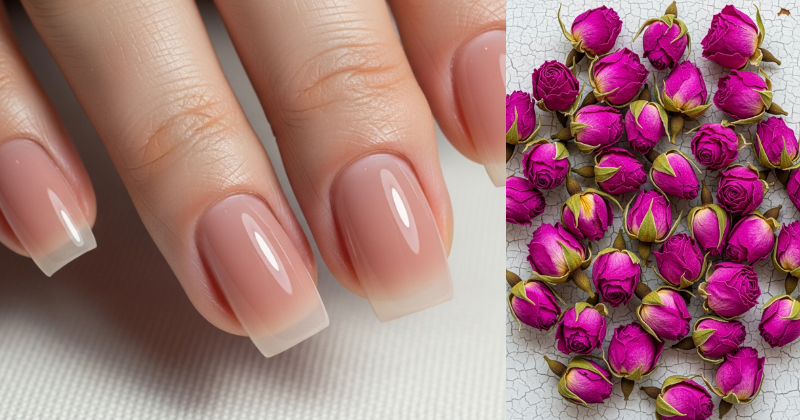
Imagine transforming your nails into delicate canvases of rosy perfection without resorting to synthetic polishes laden with questionable chemical compounds. This DIY natural nail stain represents more than mere cosmetic enhancement—it’s a fascinating intersection of botanical chemistry, traditional beauty wisdom, and contemporary wellness consciousness. Within the next few minutes, you’ll discover how to harness nature’s pigmentation properties to achieve that coveted pink tint while simultaneously nourishing your nail beds with compounds that strengthen, protect, and revitalize.
The science behind natural nail staining is elegantly simple yet profoundly effective. Certain botanical compounds possess chromophoric properties—molecular structures capable of absorbing and reflecting specific light wavelengths, thereby imparting color. When these compounds interact with the keratin proteins composing your nails, they create temporary yet beautiful pigmentation that respects your body’s biochemistry rather than overwhelming it with synthetic alternatives.
This approach to nail beautification aligns perfectly with emerging research on the dermatological benefits of natural cosmetics, offering you a method that’s both aesthetically pleasing and biologically harmonious.
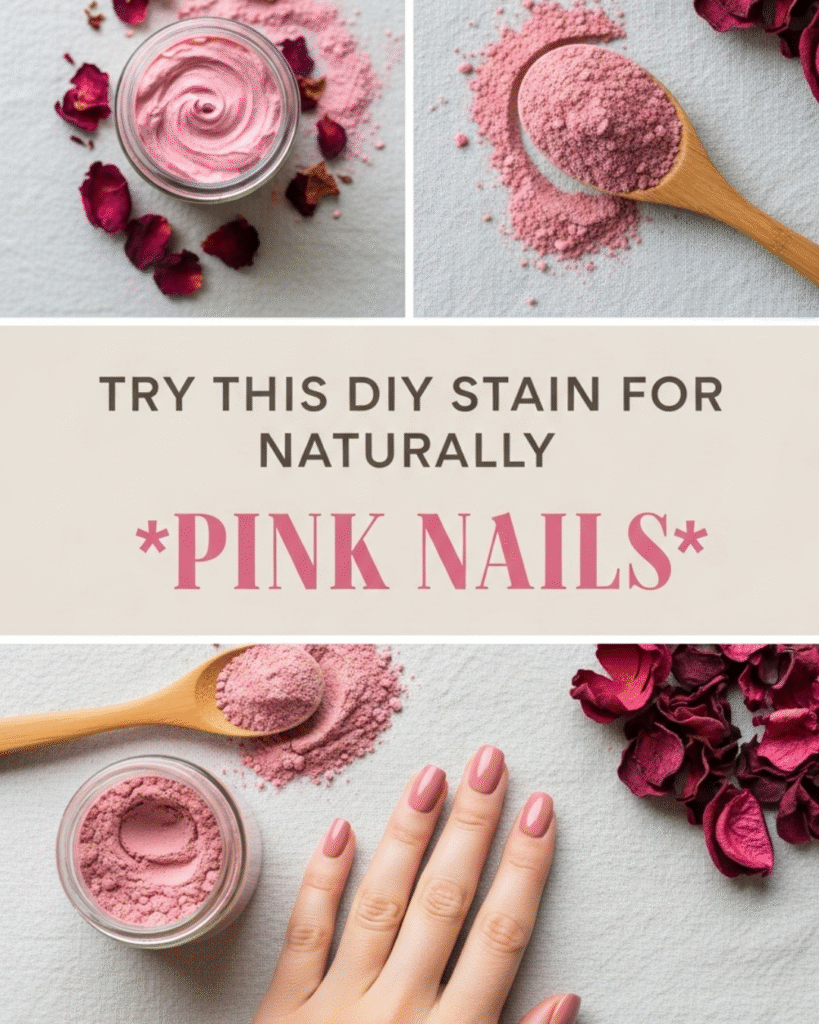
The Botanical Chemistry of Natural Nail Pigmentation
Before we immerse ourselves in the practical application, understanding the underlying mechanisms enhances both your appreciation and your results. Natural nail staining operates through a process fundamentally different from conventional polish application.
How Plant Pigments Interact with Keratin
Your nails consist primarily of alpha-keratin, a fibrous structural protein with numerous binding sites that can temporarily accommodate botanical pigments. Anthocyanins, betalains, and certain tannins—the compounds responsible for red, pink, and purple hues in plants—possess molecular structures that allow temporary adhesion to these keratin matrices.
Unlike synthetic dyes that penetrate aggressively or petroleum-based polishes that create impermeable barriers, natural pigments work synergistically with your nail’s structure. The beetroot extract we’ll use contains betalains, nitrogen-containing pigments that impart vibrant red-violet coloration while simultaneously delivering nutrients like iron, folate, and antioxidants to the nail bed.
The Vitamin C Enhancement Factor
The addition of lemon juice serves multiple functions beyond mere aesthetic enhancement. The citric acid gently exfoliates surface irregularities, creating a more receptive canvas for pigment absorption. Simultaneously, the vitamin C content supports collagen synthesis in the nail matrix—the cellular factory beneath your cuticles responsible for generating new nail tissue. This dual-action approach means you’re not simply coloring your nails; you’re actively supporting their structural integrity.
Creating Your Natural Pink Nail Stain: The Complete Formula
The elegance of this preparation lies in its simplicity. You’ll need only three primary ingredients, each selected for specific biochemical properties that work in concert to deliver both color and nourishment.
Essential Ingredients and Their Functions
Fresh Beetroot (1 medium-sized): Select firm, deep-red beetroots for maximum betalain concentration. The intensity of the pigment correlates directly with the vegetable’s color saturation—darker specimens contain higher concentrations of betacyanins, the specific betalain compounds responsible for pink-red coloration.
Fresh Lemon Juice (2 tablespoons): Freshly squeezed juice contains approximately 50 milligrams of vitamin C per 100 grams, along with citric acid concentrations of 5-7%. This acidity level proves optimal for gentle nail surface preparation without causing dehydration or structural compromise.
Carrier Oil (1 tablespoon): Sweet almond, jojoba, or olive oil provides essential fatty acids that prevent the drying effects sometimes associated with acidic preparations. These oils contain oleic acid and vitamin E, compounds known to strengthen nail flexibility and prevent brittleness.
Preparation Methodology
Begin by thoroughly washing and peeling your beetroot. Grate it finely using a ceramic or stainless steel grater—avoid aluminum, which can react with the betalains and alter their color properties. The finer your grate, the more surface area you expose, maximizing pigment extraction.
Transfer the grated beetroot to a small glass or ceramic bowl. Add your freshly squeezed lemon juice directly to the grated beetroot, then incorporate your chosen carrier oil. Mix thoroughly using a wooden or silicone utensil, creating a uniform paste with the consistency of thick yogurt. Allow this mixture to macerate for 10-15 minutes—this resting period permits the acid to break down cell walls, liberating additional pigments into the solution.
After maceration, strain the mixture through fine cheesecloth or a coffee filter, collecting the vibrant liquid in a clean glass container. This liquid represents your concentrated natural nail stain, rich with betalains, vitamins, and beneficial plant compounds.
Application Technique: Maximizing Color and Longevity
The application process significantly influences both the intensity of your results and their durability. Proper technique transforms a simple natural mixture into a sophisticated beauty treatment.
Nail Preparation Protocol
Clean nails are essential for optimal pigment absorption. Wash your hands thoroughly with mild soap, paying particular attention to nail surfaces and cuticle areas. Remove any residual oils or lotions using a cotton pad dampened with witch hazel or diluted apple cider vinegar—both substances possess gentle cleansing properties without the harsh dehydration caused by conventional nail polish removers.
Gently push back your cuticles using a wooden orange stick. This step isn’t merely cosmetic; it exposes more of the nail plate, allowing for more comprehensive stain application and a more professional appearance.
The Staining Process
Using a small, clean cosmetic brush or cotton swab, apply your natural stain generously to each nail. The key to successful natural pigmentation lies in patience and repetition. Unlike synthetic polishes that deliver immediate opacity, natural stains build color gradually through multiple applications.
Apply your first coat, covering the entire nail surface from cuticle to free edge. Allow this application to absorb for 5-7 minutes—you’ll notice the liquid becoming less wet as the keratin absorbs the pigments. Apply a second coat, again waiting 5-7 minutes. For optimal color intensity, repeat this process for a total of three to five applications.
During the final application, allow the stain to remain on your nails for a full 15-20 minutes before gently rinsing with lukewarm water. This extended contact time permits maximum pigment penetration into the superficial keratin layers.
Customizing Your Natural Pink Shade: Advanced Formulation Variations
Once you’ve mastered the basic formulation, you can explore variations that produce different pink tones or enhance specific nail health benefits.
Adjusting Color Intensity
For a softer, more translucent pink reminiscent of natural nail beds, dilute your beetroot stain with equal parts coconut water. This modification reduces pigment concentration while adding electrolytes and cytokinins—plant hormones that support cellular growth and regeneration.
For deeper, more saturated pink approaching mauve territory, incorporate a small amount of red hibiscus tea. Hibiscus flowers contain high concentrations of anthocyanins that complement beetroot betalains, creating richer, more complex coloration. Brew a strong hibiscus tea, cool it completely, and add one tablespoon to your basic formula.
Nutritional Enhancement Modifications
To address specific nail concerns while achieving your desired pink tint, consider these targeted additions:
For brittle nails prone to splitting, incorporate one teaspoon of horsetail extract. This botanical source provides silica, a mineral essential for strengthening the protein bonds within keratin structures.
For nails showing white spots or ridging—indicators of zinc deficiency—add a small amount of pumpkin seed oil, naturally rich in this crucial mineral.
Troubleshooting Common Challenges and Optimizing Results
Natural beauty preparations behave differently than their synthetic counterparts, occasionally presenting unique challenges that require creative solutions.
Color Intensity Variations
If your initial application produces unexpectedly pale results, several factors may be responsible. Nail porosity—the degree to which your keratin structure can absorb compounds—varies significantly between individuals and can be influenced by hydration status, previous chemical treatments, and genetic factors.
Solution: Increase the maceration time for your beetroot mixture to 20-25 minutes, extracting maximum pigment concentration. Alternatively, apply additional coats, allowing each to fully absorb before adding the next. Some individuals require up to seven applications to achieve desired intensity.
Rapid Color Fading
Natural pigments don’t bond as permanently as synthetic dyes, typically lasting 3-5 days before requiring reapplication. If you notice faster fading, your daily activities may be accelerating pigment loss.
Solution: Apply a thin layer of pure jojoba or argan oil over your stained nails each evening. These oils create a protective barrier that slows pigment oxidation and loss while delivering additional nutrients. Avoid prolonged water exposure during the first 24 hours after application, as this represents the critical period for pigment setting.
Uneven Color Distribution
Streaking or patchy coloration typically results from inconsistent application or inadequate nail preparation.
Solution: Ensure your staining liquid maintains uniform consistency throughout application by stirring between each nail. Apply thin, even coats rather than thick, concentrated applications. Consider using a small fan brush—commonly used in watercolor painting—for the most uniform distribution possible.
Maintaining Your Natural Pink Nails: Long-term Care Strategies
The beauty of natural nail staining extends beyond immediate aesthetic results to encompass ongoing nail health improvements. Establishing a maintenance routine maximizes both appearance and structural benefits.
Daily Nourishment Protocol
Each evening, massage a small amount of vitamin E oil or rosehip seed oil into your nail beds and cuticles. This practice supports continuous nutrient delivery to the nail matrix, promoting stronger, more flexible nail growth. The ritual also preserves your natural pink stain by maintaining optimal hydration levels in the keratin structure.
Weekly Refreshment Applications
Rather than allowing your natural stain to fade completely before reapplication, refresh it every 3-4 days. This approach maintains consistent color while continuously delivering the nutritional benefits of your beetroot formulation. Brief refresher applications require only 1-2 coats, making maintenance remarkably efficient.
Complementary Nail Strengthening Practices
Natural nail beautification works synergistically with holistic health practices. Ensure adequate biotin intake through diet or supplementation—this B-vitamin plays crucial roles in keratin synthesis. Maintain proper hydration, as nail flexibility and resilience depend significantly on water content. Consider incorporating foods rich in omega-3 fatty acids, zinc, and iron, as these nutrients directly influence nail quality and growth rate.
The Broader Context: Natural Beauty and Biochemical Wisdom
This DIY pink nail stain represents more than a cosmetic technique—it embodies a philosophical approach to beauty that honors biological systems rather than attempting to override them. Contemporary research increasingly validates traditional practices, demonstrating that many botanical preparations deliver benefits extending far beyond their original purposes.
The compounds in beetroot, beyond their pigmentation properties, possess documented antioxidant, anti-inflammatory, and circulation-enhancing effects. When applied topically to nails, these benefits may support overall nail bed health through improved microcirculation and reduced oxidative stress on growing keratin cells.
This approach to nail care aligns with emerging understanding in dermatological research suggesting that supporting skin and nail health requires working with the body’s natural processes rather than simply masking concerns with synthetic coverings.
Your natural pink nail transformation awaits—a simple yet profound practice that connects ancient botanical wisdom with contemporary understanding of biochemistry. The satisfaction you’ll experience transcends mere aesthetic pleasure, encompassing the deeper fulfillment of nurturing your body with ingredients you understand, trust, and can pronounce. Each application becomes a small act of self-care, a moment of mindful attention to the remarkable biology of your own body.
Begin your natural nail journey today, and discover how beautifully nature’s chemistry can enhance your innate radiance.