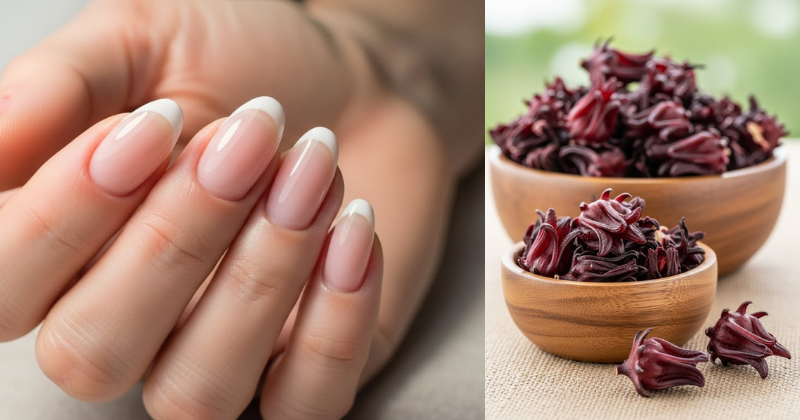
Discover how to create a stunning, natural nail stain using hibiscus flowers that delivers beautiful pink tones without synthetic chemicals or harsh ingredients. This ancient beauty technique harnesses the powerful pigments of Hibiscus sabdariffa to temporarily color your nails with a soft, rosy hue that’s completely safe, non-toxic, and surprisingly effective. Whether you’re seeking alternatives to conventional nail polish or exploring botanical beauty methods, this simple DIY approach offers an elegant solution that connects you with traditional plant-based cosmetics while protecting your nail health.
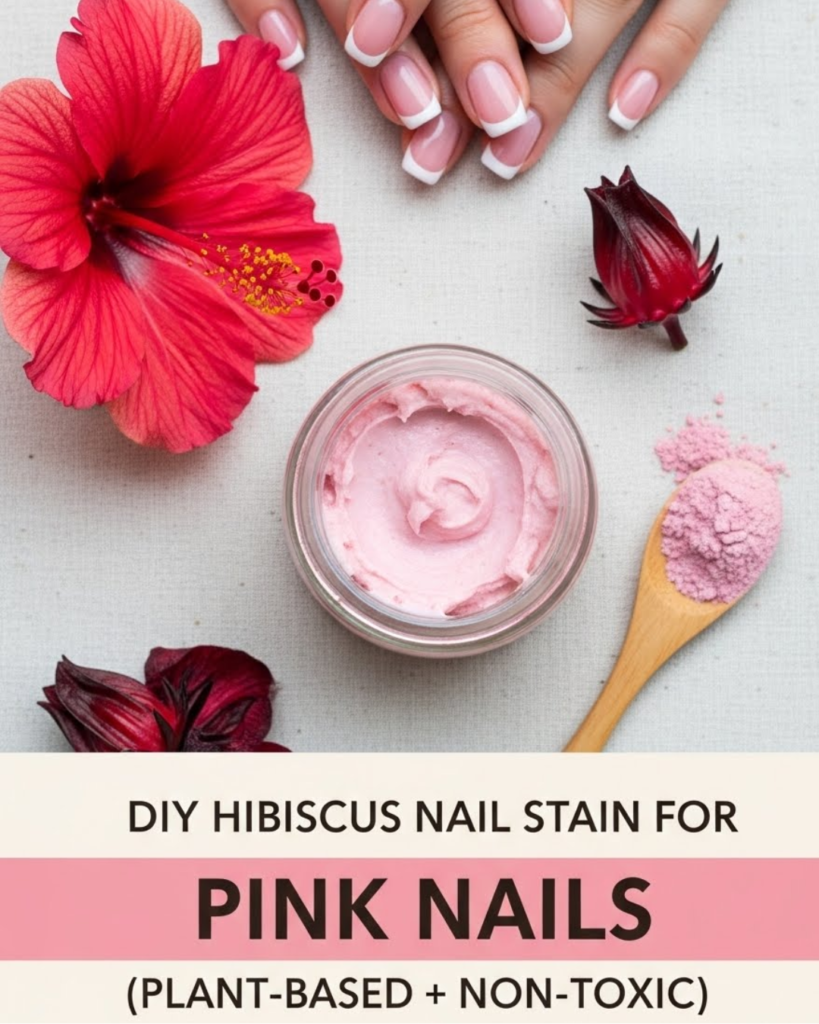
The Science Behind Hibiscus Pigmentation
Hibiscus flowers contain remarkable natural compounds that make them exceptional for botanical nail staining. The primary pigments responsible for their vibrant coloring are anthocyanins—water-soluble flavonoids that produce red, purple, and pink hues depending on pH levels and concentration. These molecules bind temporarily to the keratin structure of nails, creating a natural stain that gradually fades over several days.
Understanding Anthocyanin Chemistry
The anthocyanins in hibiscus, particularly delphinidin and cyanidin derivatives, possess unique molecular properties that allow them to interact with nail proteins. Unlike synthetic dyes that may contain potentially harmful chemicals like formaldehyde, toluene, or dibutyl phthalate, these plant-based pigments offer a biocompatible alternative. Research in natural product chemistry demonstrates that anthocyanins exhibit antioxidant properties, potentially providing additional benefits beyond mere coloration.
Factors Influencing Color Intensity
The final shade achieved through hibiscus staining depends on several variables: the concentration of dried flowers used, steeping duration, natural nail pH, and application technique. Individuals with slightly more porous nail surfaces may experience more intense color uptake, while those with harder, denser nails might observe lighter tints. This variability reflects the organic nature of botanical staining—a characteristic that distinguishes it from uniform synthetic alternatives.
Preparing Your Hibiscus Nail Stain Solution
Creating an effective hibiscus nail stain requires careful preparation to extract maximum pigmentation while maintaining solution stability. The process involves selecting quality botanical materials and employing proper extraction techniques to concentrate the natural colorants.
Required Materials and Ingredients
For optimal results, gather the following components: 2-3 tablespoons of dried hibiscus flowers (preferably organic Hibiscus sabdariffa), 1 cup of distilled water, 1 teaspoon of lemon juice or apple cider vinegar (to adjust pH and enhance color extraction), a small glass bowl or jar, and a fine mesh strainer or cheesecloth. The quality of your hibiscus significantly impacts final results—look for deep crimson flowers that release vibrant color when moistened.
Extraction Process
Begin by bringing distilled water to a boil in a small saucepan. Remove from heat and add the dried hibiscus flowers, allowing them to steep for 20-30 minutes. This extended infusion period enables maximum anthocyanin extraction. The solution should develop a deep magenta or ruby color—if it appears pale, add additional hibiscus and steep longer. Strain the mixture through fine mesh to remove all plant material, leaving a clear, intensely colored liquid.
Add the acidic component (lemon juice or vinegar) to your strained hibiscus extract. This crucial step stabilizes the anthocyanins and shifts the pH to enhance pink tones rather than purple or blue hues. The acid also increases the solution’s shelf life and improves its binding capacity to nail keratin.
Concentration Techniques
For more intense staining, return your strained hibiscus liquid to gentle heat and simmer until reduced by half, creating a concentrated extract with higher pigment density. Monitor carefully to prevent burning, which would compromise both color and efficacy. The resulting solution should be syrupy but still liquid—overly thick preparations may not penetrate nail surfaces effectively.
Application Methodology for Optimal Results
Proper application technique significantly influences both the intensity and longevity of your hibiscus nail stain. Unlike conventional polish that sits atop the nail, botanical stains require absorption time and specific preparation methods.
Nail Preparation Protocol
Clean nails thoroughly with soap and water, removing all oils, lotions, and residual cosmetics. Natural oils create a barrier that prevents pigment absorption, so this step proves essential. Gently buff nail surfaces with a fine-grit buffer to create microscopic texture that enhances stain uptake—avoid aggressive buffing that could damage the nail plate. Some practitioners recommend a brief soak in warm water with mild soap to open the nail’s porous structure slightly.
Staining Application Technique
Using a clean cotton swab, small brush, or dropper, apply the concentrated hibiscus solution generously to each nail, ensuring complete coverage including edges and cuticle areas. The key to successful botanical staining involves saturation rather than thin coating. Allow the solution to remain on nails for 15-30 minutes minimum—longer exposure times yield deeper coloration. For maximum intensity, some enthusiasts apply multiple layers, allowing each to partially dry before adding the next.
During the staining period, you may notice fingertips also absorbing some color. This temporary skin staining fades rapidly with normal handwashing, typically within 24-48 hours. To minimize this effect, apply a thin layer of coconut oil or petroleum jelly around the nail borders before staining.
Setting and Sealing
After the desired exposure time, gently rinse hands with cool water without scrubbing. Pat dry carefully. The stain continues developing and setting over the next few hours as the anthocyanins bind more permanently to nail keratin. For enhanced longevity, some practitioners apply a thin coat of natural oil (such as jojoba or argan) or a clear, non-toxic top coat once nails are completely dry.
Customization and Color Variation Strategies
The beauty of botanical nail staining lies in its adaptability. By modifying ingredients, concentrations, and techniques, you can achieve different pink tones ranging from soft blush to vibrant rose.
Adjusting pH for Shade Variations
Anthocyanins are pH-sensitive chromophores, meaning their color shifts based on acidity or alkalinity. Adding more lemon juice creates a brighter, more coral-pink shade, while reducing acid content produces deeper, cooler pinks with slight purple undertones. Experimenting with different acidic agents like pomegranate juice or rosehip powder can yield unique color profiles while maintaining the natural composition.
Blending Botanical Pigments
For expanded color possibilities, combine hibiscus with other plant-based stains. Beetroot powder adds deeper red tones, while rose petals contribute subtle floral notes to the color profile. Turmeric in minimal quantities can shift the palette toward peachy-pink hues. When blending multiple botanical ingredients, prepare separate extracts and combine in small test batches to observe results before full application.
Layering Techniques
Apply hibiscus stain in multiple sessions separated by several hours or overnight to build color intensity gradually. This layered approach provides greater control over final results and tends to produce more even, professional-looking coloration. Each layer deepens the existing stain while filling in any areas of uneven absorption.
Longevity, Maintenance, and Removal Considerations
Understanding the temporary nature of botanical nail stains helps set realistic expectations and informs maintenance strategies. Unlike synthetic polishes that chip away, plant-based stains gradually fade through natural processes.
Expected Duration
Hibiscus nail stains typically last 3-7 days, depending on nail porosity, daily activities, and exposure to water and cleansers. Individuals who frequently immerse hands in water may notice faster fading, as the water-soluble anthocyanins gradually leach out. This transient quality offers advantages—no harsh removal process required, and the ability to change colors frequently without nail damage.
Extending Wear Time
To maximize stain longevity, minimize prolonged water exposure during the first 24 hours after application when pigments are still stabilizing. Wearing gloves during dishwashing, cleaning, or extended water activities protects the stain. Applying a natural oil barrier each evening helps seal the color while nourishing nails. Avoid alcohol-based hand sanitizers, which can strip botanical stains more rapidly than water alone.
Natural Fading and Removal
The stain gradually lightens with normal hand washing and daily activities, typically fading to barely perceptible within a week. If you wish to remove the color more quickly, gentle exfoliation with a soft nail brush and mild soap accelerates the process. Soaking nails in warm lemon water for 10-15 minutes also speeds fading. Unlike conventional polish removal, these botanical stains require no harsh acetone or chemical solvents.
Health Benefits and Safety Considerations
Choosing plant-based nail staining over conventional polish offers numerous advantages for both nail health and overall wellness, reflecting a broader shift toward conscious beauty practices.
Eliminating Toxic Exposure
Traditional nail polishes often contain a controversial mixture of chemicals collectively known as the “toxic trio” or “toxic five”—formaldehyde, toluene, dibutyl phthalate, formaldehyde resin, and camphor. These compounds have been associated with various health concerns ranging from respiratory irritation to endocrine disruption. Hibiscus nail staining completely eliminates exposure to these synthetic ingredients, making it particularly suitable for pregnant individuals, children, or those with chemical sensitivities.
Nail Health Preservation
Botanical stains do not form an impermeable barrier over nails, allowing continued oxygen and moisture exchange—essential processes for maintaining healthy nail structure. The absence of harsh solvents means you avoid the drying, brittling effects common with frequent conventional polish use and acetone removal. Many practitioners report improved nail strength and flexibility after switching to plant-based alternatives.
Antioxidant and Nourishing Properties
Beyond mere coloration, hibiscus contains beneficial compounds including vitamin C, organic acids, and flavonoids that may provide mild conditioning effects. While absorption through the nail plate is limited, any transferred compounds contribute positively rather than introducing potentially harmful substances. This represents a fundamental philosophical difference—beauty products that nourish rather than merely decorate.
Troubleshooting Common Challenges
Even with careful preparation and application, you may encounter occasional issues with botanical nail staining. Understanding these common challenges helps you achieve consistent, satisfying results.
Insufficient Color Development
If your stain appears too pale or fades rapidly, several factors may be responsible. Weak pigment extraction often results from using insufficient hibiscus quantities or inadequate steeping time. Solution: Use more flowers and extend infusion duration to 30-45 minutes. Low nail porosity can also limit absorption—a very gentle buffing of the nail surface before application increases uptake without causing damage.
Uneven Coloration
Patchy or streaky results typically stem from inconsistent application or incomplete nail preparation. Ensure you’re applying generous amounts of solution and achieving full nail coverage. If edges appear lighter, focus additional applications on these areas. Thorough cleaning and degreasing before staining proves crucial—even minimal residual oils prevent pigment bonding.
Rapid Fading
Premature color loss usually indicates excessive water exposure before the stain fully set or insufficient pigment concentration. Allow at least 30 minutes of staining time and avoid water contact for several hours post-application. If fading remains problematic, prepare a more concentrated extract through reduction and consider applying a natural sealing layer.
Conclusion
Creating your own hibiscus nail stain represents more than a simple beauty DIY—it embodies a conscious choice to embrace botanical alternatives that honor both personal health and environmental sustainability. This plant-based approach delivers beautiful pink tones through the remarkable chemistry of natural anthocyanins, eliminating exposure to synthetic chemicals while celebrating traditional cosmetic wisdom. The gentle, temporary nature of hibiscus staining allows creative experimentation without long-term commitment, while the preparation process itself becomes a mindful ritual connecting you with nature’s pigments. Whether you’re exploring non-toxic beauty options, seeking alternatives for sensitive nails, or simply curious about botanical cosmetics, this hibiscus nail stain technique offers an accessible entry point. Start with a simple preparation, observe how your nails respond, and refine your technique—you’ll discover that achieving beautiful, naturally pink nails requires nothing more than flowers, water, and patience.