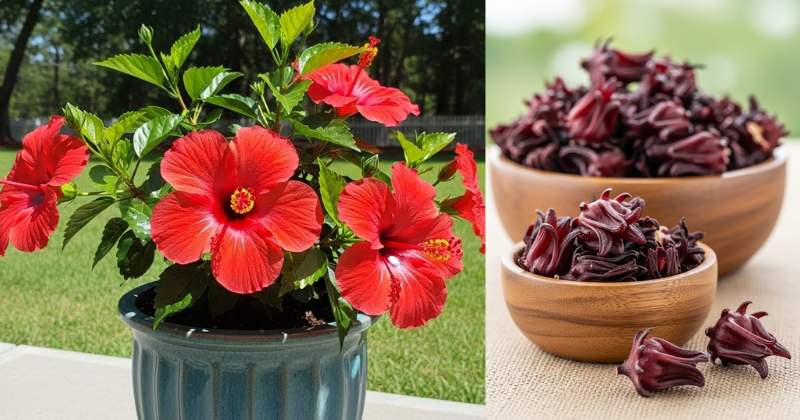
Have you ever enjoyed a glass of vibrantly colored, tart, and refreshing cranberry-like tea and wondered about its powerful properties? You were likely sipping on hibiscus, specifically the Hibiscus sabdariffa calyces (the fleshy, bright red sepals). This guide will transform your understanding of the incredible benefits of hibiscus for nutrition and health, showing you how to incorporate this botanical powerhouse into your routine for better well-being. We’ll delve into the scientific backing and achievable, step-by-step guidance to harness the full potential of this flower, empowering you to make informed decisions for your sustainable lifestyle changes.
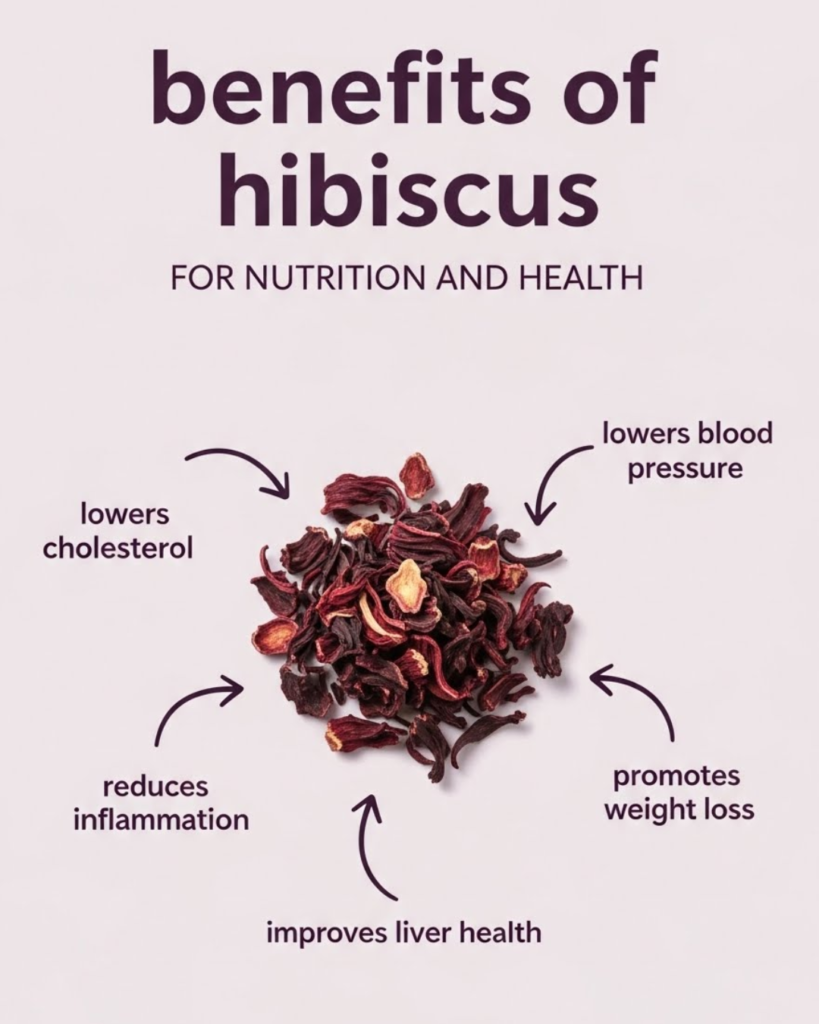
🔬 Section 1: Foundation First: The Nutritional Profile of Hibiscus
To truly appreciate the benefits of hibiscus for nutrition and health, we must first look at its core components. This flower is a reservoir of compounds that go far beyond basic hydration.
H3: Building Confidence with Basic Concepts: Key Components
The powerful health properties of hibiscus are concentrated in its deep red pigment, which comes from potent antioxidants.
- Anthocyanins: These are the key players. They are the water-soluble pigments responsible for the deep red and purple colors found in berries, grapes, and, crucially, hibiscus. Anthocyanins are powerful antioxidants that scavenge free radicals, crucial for maintaining cellular health.
- Organic Acids: Hibiscus contains various organic acids, including citric acid, malic acid, and tartaric acid, which give it its characteristic tart flavor. These acids are beneficial for digestion and nutrient absorption.
- Vitamins and Minerals: While typically consumed as an infusion, hibiscus still delivers trace amounts of essential minerals like Vitamin C, iron, and calcium, supporting overall nutritional balance.
H3: Addressing Common Concerns: Hibiscus vs. Traditional Tea
When discussing the benefits of hibiscus for nutrition and health, beginners often wonder how it compares to traditional green or black tea.
- Encouraging Reassurance for Beginners: Hibiscus is an herbal infusion (or tisane), meaning it is naturally caffeine-free. This makes it an excellent, supportive alternative for those sensitive to caffeine or seeking an evening beverage, providing a supportive, non-judgmental language approach to beverage choices.
- Antioxidant Power: Studies often show that hibiscus rivals, or even exceeds, the antioxidant activity of many traditional teas, making it a stellar choice for holistic health support.
💖 Section 2: Step-by-Step Process: Core Health Benefits
The most well-researched benefits of hibiscus for nutrition and health revolve around its profound impact on cardiovascular and metabolic markers.
Step 1: The Heart Health Champion (Actionable Language)
One of the most significant and scientifically backed benefits is its role in supporting healthy blood pressure.
- Consume Regularly: Achievable, step-by-step guidance suggests incorporating $1 \text{ to } 3$ cups of hibiscus tea daily. This consistent intake is crucial, as the effects are cumulative.
- Focus on Unsweetened: To maximize the benefits of hibiscus for nutrition and health, always drink it unsweetened. Adding sugar can negate the positive metabolic effects.
- Scientific Backing: Numerous randomized controlled trials have demonstrated that consuming hibiscus tea can significantly lower both systolic and diastolic blood pressure, particularly in adults with mild to moderate hypertension. The proposed mechanism involves the inhibition of the ACE enzyme (similar to some prescription medications) and its diuretic effect.
Step 2: Supporting Healthy Cholesterol Levels
Hibiscus shows promise in helping to manage blood lipid profiles, another vital aspect of cardiovascular health.
- Core Methods: The anthocyanins and other polyphenols in hibiscus appear to interfere with the absorption of dietary fats and cholesterol in the gut.
- Practical Examples and Real-World Scenarios: A study involving patients with metabolic syndrome found that consistent consumption of hibiscus extract led to a decrease in “bad” LDL cholesterol and triglycerides, while maintaining or improving “good” HDL cholesterol levels. This is a crucial element for anyone seeking gradual progress and self-care in managing their heart health.
Step 3: Addressing Timing and Planning Considerations
To best integrate hibiscus into your diet, consider these factors:
| Timing Consideration | Recommendation | Rationale |
| Dosage | $1.5 \text{ to } 2 \text{ grams}$ of dried calyces per cup of water | Ensures sufficient concentration of active compounds (anthocyanins). |
| Preparation | Steep in boiling water for $5 \text{ to } 10 \text{ minutes}$ | A long steep time is required to extract the maximum concentration of beneficial polyphenols. |
| Consistency | Daily intake for a minimum of $4 \text{ to } 6 \text{ weeks}$ | Clinical studies show blood pressure and cholesterol effects are not immediate but require sustained use. |
🛡️ Section 3: Advanced Strategies: Antioxidant and Anti-Inflammatory Power
Beyond cardiovascular health, the concentrated polyphenols in hibiscus offer powerful, full-body anti-inflammatory and antioxidant benefits of hibiscus for nutrition and health.
H3: Sharing Expert-Level Insights: Metabolic and Liver Health
Hibiscus is increasingly studied for its potential role in supporting metabolic function, particularly in the liver.
- Scientific Backing: Research suggests that hibiscus may help combat oxidative stress in the liver. Excessive oxidative stress is linked to cellular damage and conditions like non-alcoholic fatty liver disease (NAFLD). The high concentration of antioxidants helps neutralize harmful free radicals before they can damage liver cells.
- Creative Solutions and Variations: Incorporating hibiscus powder into smoothies or morning oatmeal is an excellent way to get a concentrated dose of the whole food, providing a way to customize approach for daily intake.
H3: Promoting Weight Management and Satiety
While no food is a magic bullet for weight loss, the benefits of hibiscus for nutrition and health can play a supporting role.
- Encouraging Experimentation: Hibiscus is a natural source of polyphenols that may influence the absorption of carbohydrates. Some studies suggest it can inhibit the activity of amylase, an enzyme that breaks down starches, potentially reducing overall carbohydrate uptake.
- Satiety Effect: Drinking a large, tart, unsweetened glass of iced hibiscus tea before a meal can help fill you up and manage portion control, serving as a practical example and real-world scenario for appetite management.
❓ Section 4: Troubleshooting: Integration and Potential Side Effects
While hibiscus is generally safe, it’s important to address common questions and potential interactions, maintaining a focus on safety procedures and informed use.
Featured Snippet Potential: “Can I drink hibiscus tea every day for blood pressure?”
Yes, you can safely drink hibiscus tea every day for blood pressure support, and in fact, daily, consistent consumption is necessary to achieve a significant effect. Clinical trials typically use $1 \text{ to } 3$ cups daily for several weeks to demonstrate measurable reductions in blood pressure. However, because hibiscus may interact with some blood pressure medications (potentially leading to hypotension), it is crucial to consult your healthcare provider before adding it to your routine, especially if you are currently managing hypertension with prescription drugs.
Practical Troubleshooting Tips
- Problem: Hibiscus tea tastes too tart or sour.
- Obstacle: The high concentration of organic acids, which is necessary for the health benefits of hibiscus for nutrition and health.
- Solution: Offer Alternative Approaches: Instead of sugar, sweeten with a low-glycemic natural option like stevia or monk fruit. Alternatively, blend the hibiscus infusion with naturally sweet ingredients like apple juice or a slice of fresh orange before drinking.
- Problem: Potential Drug Interactions.
- Obstacle: Hibiscus has demonstrated the potential to influence blood sugar and blood pressure.
- Solution: Preventive Measures: If you are taking medication for high blood pressure (like ACE inhibitors or diuretics) or diabetes, speak to your doctor first. Hibiscus may amplify the effects, necessitating dosage adjustments under medical supervision.
- Problem: Loss of color and flavor after preparation.
- Obstacle: Anthocyanins are light and heat sensitive over long periods.
- Solution: Store dried hibiscus in an opaque, airtight container away from light. Once brewed, consume the tea within $24$ hours for maximum potency and vibrant color.
📈 Section 5: Maximizing Results: Next Level Hibiscus Usage
Once you’ve established a daily tea habit, these tips show how to build upon basic success, incorporating hibiscus into food and skincare for maximum benefits of hibiscus for nutrition and health.
- Show How to Build Upon Basic Success: Edible Flower Power. Use the dried calyces to make hibiscus syrup, which can be added to sparkling water, cocktails, or poured over Greek yogurt and oatmeal. The dried flowers can also be chopped and added to granola or baked goods for a chewy, tart texture and a beautiful pink hue.
- Maintenance and Long-Term Considerations: Skin and Hair Care. The powerful antioxidants and Vitamin C in hibiscus make it an excellent addition to DIY beauty products. Infuse hibiscus in witch hazel for a toner high in antioxidants, or blend the powdered flower into coconut oil for a moisturizing face mask.
- Suggest Complementary Strategies: Blending for Synergy. Pair hibiscus tea with green tea. The combined antioxidant power provides a synergistic effect, offering the benefits of hibiscus for nutrition and health alongside the EGCG benefits of green tea. (Internal Linking Opportunity: Explore “Optimizing Antioxidant Intake: Best Tea Combinations.”) This inspires continued growth and learning in natural wellness.
✅ Conclusion: Your Capability to Nurture Wellness with Hibiscus
You are now fully aware of the impressive, scientifically supported benefits of hibiscus for nutrition and health. By committing to the daily consumption of this tart, beautiful flower, you are supporting your heart, balancing your metabolism, and flooding your body with powerful antioxidants. Remember to prioritize unsweetened consumption and consult your healthcare provider if you are taking medication. You have the capability to achieve a deeper level of wellness by integrating this sustainable, vibrant botanical into your life.
Ready to start brewing? Will you enjoy your first glass of hibiscus tea hot or iced?
Important Disclaimer: This article is for informational purposes only and should not replace professional advice. For health-related topics, consult healthcare providers. If you are pregnant, breastfeeding, or taking medication (especially for blood pressure or blood sugar), seek qualified professional guidance before consuming hibiscus regularly. Individual results may vary, and personal circumstances should always be considered when implementing any suggestions.