
Creating your own organic candles with essential oils is an empowering way to transform your home with clean fragrance, natural ambiance, and handcrafted beauty. This guide teaches you how to make organic candles with essential oils using simple steps, beginner-friendly techniques, and expert-level tips. Whether you want a toxin-free home, thoughtful handmade gifts, or a relaxing creative hobby, this method will help you craft candles that smell amazing and burn beautifully.
If condensed, the first 150–160 characters work as a meta description:
Make clean, natural candles at home with this complete guide on how to make organic candles with essential oils. Easy steps, tools, pro tips, and troubleshooting included.
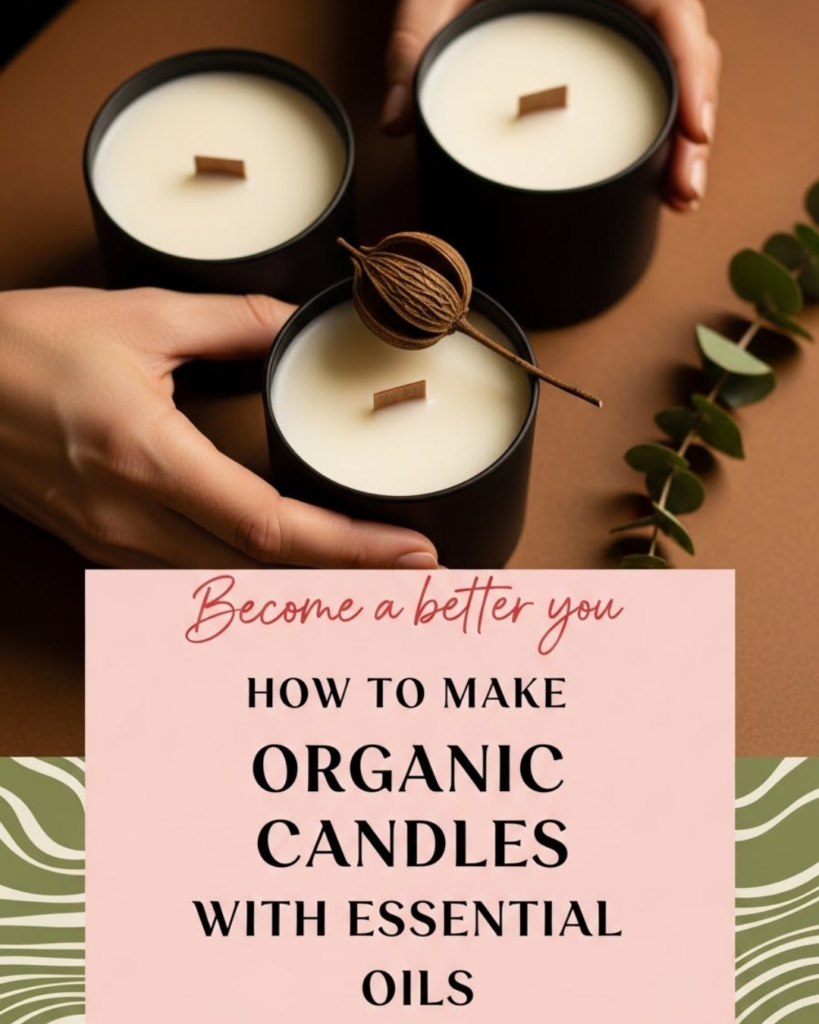
What You Need to Know Before You Start Making Organic Candles
Making organic candles is easier than you might think. With the right materials, a clear plan, and a little patience, you can create candles that burn cleanly and release pure botanical scents. If you’ve ever hesitated because candle making looks complicated or expensive, you’ll feel confident after learning the basics.
Key Components of an Organic Candle
1. Organic Wax
The wax is the foundation of your candle. Organic options include:
- Organic soy wax – clean burning, great scent throw, beginner-friendly
- Beeswax – naturally golden, long-burning, subtle honey scent
- Coconut wax – creamy texture, premium quality, slow burn
These plant-based waxes are safe, renewable, and produce minimal soot.
2. Essential Oils
Essential oils give your candle its natural scent. They provide a clean alternative to synthetic fragrances, and you can blend oils for custom aromas.
Popular choices include:
- Lavender
- Eucalyptus
- Sweet orange
- Peppermint
- Lemongrass
3. Organic Cotton or Wood Wicks
Choose unbleached cotton or sustainably sourced wooden wicks. They ensure an even burn without toxic additives.
Encouragement for Beginners
If this is your first candle, start small: one jar, one wick, one scent. You’ll quickly build confidence and enjoy the soothing rhythm of candle crafting.
How to Make Organic Candles with Essential Oils: Step-by-Step Instructions
This section breaks down the candle-making process into clear, achievable steps. Follow along once, and you’ll be ready to experiment with your own creative twists.
Step 1: Prepare and Measure Your Ingredients
You’ll need:
- 1 cup of organic wax flakes
- 15–25 drops of essential oil
- 1 wick
- A heat-safe glass jar
- A double boiler or heat-safe bowl over a pot
Pro tip: Always measure your wax by weight for consistent results.
Step 2: Melt the Organic Wax
Place your wax in the double boiler on low heat. Stir occasionally to help it melt evenly. Avoid overheating; wax melts slowly but burns quickly if neglected.
Step 3: Secure Your Wick
Use a wick sticker or a drop of melted wax to attach the wick to the base of your container. Hold it upright using a wick holder or two chopsticks resting across the jar.
Step 4: Add Your Essential Oils
When the melted wax reaches around 120–140°F (49–60°C), add your essential oils. This temperature helps the aroma bind to the wax without evaporating.
Step 5: Pour the Wax
Pour slowly and steadily into your container to avoid air bubbles. Leave room at the top for trimming and finishing.
Step 6: Let It Set
Allow your candle to cure for 24–48 hours. This curing period deepens the scent and improves burn quality.
Step 7: Trim and Test
Trim the wick to about ¼ inch before lighting. Your candle is ready to enjoy.
What Are the Best Techniques to Improve Scent Strength?
If you’re wondering how to make organic candles with essential oils smell stronger, this section gives you the advanced strategies that experienced candle makers rely on.
Choose High-Retention Waxes
Coconut and soy wax hold essential oils better than beeswax.
Use the Right Oil Ratio
Essential oils are delicate. Most candlemakers use 6–10% fragrance load, but with essential oils, aim for 3–5% for safety and good performance.
Add Oils at the Correct Temperature
Always avoid adding oils when wax is too hot. High heat causes rapid evaporation, which weakens the scent throw.
Blend Complementary Oils
Some oils amplify each other. For example:
- Lavender + Vanilla
- Orange + Clove
- Rosemary + Lemon
These blends create depth and longer-lasting aroma.
How to Troubleshoot Common Candle-Making Problems
Every beginner faces a few challenges when learning how to make organic candles with essential oils. Here’s how to solve the most common issues.
Problem 1: Weak Scent Throw
Solutions:
- Add oils at lower temperatures
- Use more absorbent waxes
- Increase essential oil ratio slightly
Problem 2: Tunneling
This happens when the candle burns down the center.
Fix it by:
- Making sure the wick is the right size
- Allowing the first burn to last long enough for a wide melt pool
Problem 3: Frosting or White Coating on the Wax
This is natural with soy wax.
Reduce frosting by:
- Pouring at a slightly lower temperature
- Letting candles cool slowly at room temperature
Problem 4: Uneven Flame
Solve by:
- Switching to a thicker wick
- Avoiding drafts while burning
- Ensuring the wick is centered
How to Elevate Your Organic Candles with Custom Designs
Once you understand the basics of how to make organic candles with essential oils, you can take your craft to the next level with creative, aesthetic finishes.
Add Natural Decorations
Consider:
- Dried lavender buds
- Citrus peel curls
- Pressed herbs
Keep decorations around the edges, not near the flame.
Experiment with Layered Scents
Pour wax in layers, letting each one set before adding the next. This technique creates a candle that evolves as it burns.
Try Wooden Wicks for a Crackling Effect
Wooden wicks add a cozy, fireplace-like sound to your candles. They also produce a wide, even flame.
What Are the Best Ways to Make Your Candles Burn Longer?
If you want your handcrafted candles to last, these maintenance techniques will maximize performance.
Trim the Wick Regularly
A long wick causes fast burning and soot. Trim to ¼ inch before every use.
Allow Proper Burn Time
Let each burn create a full melt pool to prevent tunneling.
Store Candles Away from Heat and Sunlight
Heat weakens essential oils and melts wax slightly, reducing burn quality.
Choose the Right Container Size
Small jars burn faster. Wide, deep containers give the slowest, most even burn.
Additional Ideas for Related Articles (Internal Linking Opportunities)
You can easily connect this article to other useful topics, such as:
- How to make DIY natural room sprays
- Best essential oils for relaxation
- Beginner’s guide to zero-waste home living
- How to make your own eco-friendly cleaning products
- Understanding aromatherapy for everyday wellness
These articles expand on the lifestyle and DIY benefits of natural home crafting.
Conclusion
Learning how to make organic candles with essential oils gives you a creative, practical skill you can enjoy for years. With just a few natural ingredients and thoughtful steps, you can transform your space with handmade, toxin-free candles that smell incredible and burn beautifully. As you experiment with waxes, oils, and designs, you’ll unlock endless possibilities and discover your own signature candle style. Start with one simple candle today and watch your confidence—and your craft—grow with every new creation.