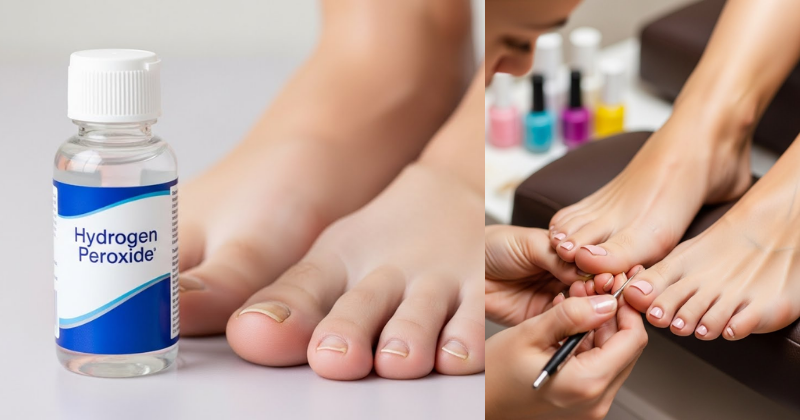
Meta description (first 150–160 characters):
Learn how to use hydrogen peroxide for nail fungus safely and effectively with step-by-step methods, expert tips, and practical guidance for real results.
Introduction
If you’re struggling with stubborn nail fungus, you already know how frustrating it can be—discoloration, thickening, and brittleness make you feel self-conscious and unsure of what to try next. The good news is that learning how to use hydrogen peroxide for nail fungus can give you a simple, accessible option that many people find helpful. This guide will walk you through exactly how hydrogen peroxide works, how to use it safely, and which techniques offer the best chance at improvement.
This article breaks everything down into clear steps, beginner-friendly instructions, and science-backed explanations so you can take confident action at home. You’ll also learn advanced strategies, troubleshooting tips, and long-term care methods that help you achieve cleaner, healthier-looking nails.
Whether you’re just beginning your journey or looking for better results from what you’ve already tried, this guide gives you the practical support and encouragement you need to move forward.
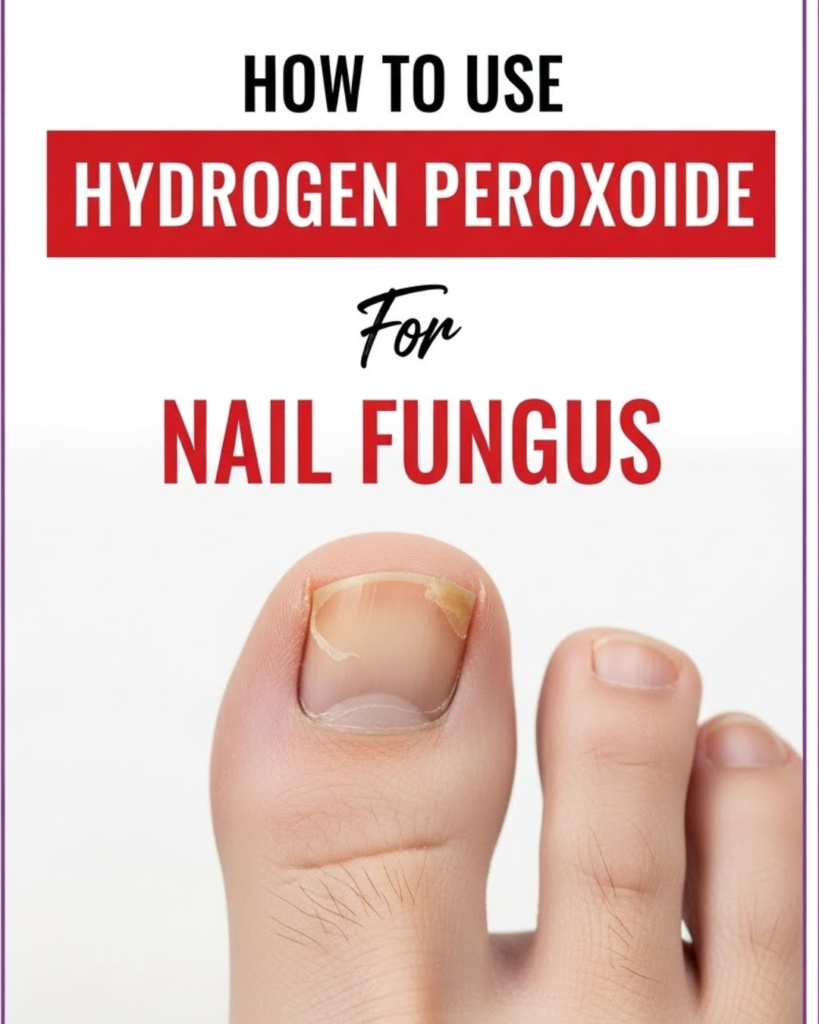
H2: What You Need to Know Before Using Hydrogen Peroxide for Nail Fungus
Understanding the basics helps you feel confident—and safe—when treating nail fungus at home. Hydrogen peroxide is widely used as a disinfectant, but its antifungal benefits come from its ability to release oxygen and break down fungal cell walls.
H3: How Hydrogen Peroxide Works Against Fungus
Hydrogen peroxide (H₂O₂) acts as an oxidizing agent. When it comes in contact with organic matter—including fungi—it releases oxygen. This oxygenation process can weaken fungal cells on the nail surface.
Although it isn’t a guaranteed cure, many people notice gradual improvement in discoloration and surface-level fungal buildup with consistent use.
H3: Is Hydrogen Peroxide Safe for Skin and Nails?
Yes—3% hydrogen peroxide, the concentration sold in pharmacies, is generally safe for topical use as long as you avoid overuse and follow guidelines. Stronger concentrations (6–12%) should never be used on skin or nails because they can cause burns.
H3: When Should You Avoid Using It?
Avoid hydrogen peroxide if:
- Your skin is cracked or bleeding
- You have severe fungal infection involving pain or pus
- You’re allergic or sensitive to peroxide
In these cases, consult a medical professional before starting any home treatment.
H2: How to Use Hydrogen Peroxide for Nail Fungus (Step-by-Step)
This section breaks down actionable methods you can begin right away. These techniques are designed to be easy, low-cost, and manageable even if you’re a beginner.
H3: Method 1 — Hydrogen Peroxide Foot Soak
A foot soak is the most common and gentle method.
H4: How to Prepare the Soak
- Fill a basin with warm water.
- Add equal parts 3% hydrogen peroxide to the water (1:1 ratio).
- Mix until combined.
H4: How to Use
- Soak affected nails for 20–30 minutes.
- Dry your feet completely afterward.
- Repeat daily for best results.
This method helps soften the nail, reduce debris, and gradually improve discoloration.
H3: Method 2 — Direct Application to the Nail
This approach is more targeted and can be especially helpful if you have only one or two affected nails.
How to Apply
- Clean the nail with soap and warm water.
- Dip a cotton pad or cotton swab into 3% hydrogen peroxide.
- Apply directly to the nail, focusing on the edges and underside.
- Let it sit for 5 minutes.
- Rinse and dry thoroughly.
Repeat 1–2 times per day.
H3: Method 3 — Hydrogen Peroxide + Baking Soda Paste
Baking soda helps neutralize fungal-friendly acidity and gently exfoliates the nail surface.
Steps:
- Mix 1 tablespoon baking soda with enough hydrogen peroxide to form a thick paste.
- Spread the paste onto the affected nail.
- Leave it for 10 minutes, then rinse.
- Use 3–4 times per week.
H2: How Long Does It Take to See Results?
Fungal infections grow slowly—and heal slowly.
H3: Understanding Nail Growth Rate
Toenails grow only 1–2 mm per month, meaning visible improvement takes time.
You may notice:
- Brighter or cleaner nail surface within 2–4 weeks
- Reduced thickness in 6–8 weeks
- A clearer nail line growing in after several months
A complete new toenail can take 9–12 months.
H3: Factors That Affect Your Healing Time
- Severity of the infection
- Consistency of your routine
- Nail thickness
- Foot hygiene and moisture levels
- Underlying health conditions
If your infection is mild to moderate, home treatment with hydrogen peroxide may help. For severe cases, prescription antifungals may be necessary.
H2: Advanced Tips to Boost the Effectiveness of Hydrogen Peroxide
Once you understand the basics, you can enhance your results with supportive habits and smart combinations.
H3: Combine Hydrogen Peroxide With Antifungal Habits
For best outcomes, pair peroxide treatment with:
- Daily foot hygiene
- Wearing clean, breathable socks
- Avoiding barefoot walking in public spaces
- Keeping nails trimmed and filed
H3: Use Peroxide After Showering
Applying it when your nails are soft allows deeper penetration and better oxygenation.
H3: Disinfect Shoes and Socks
Fungus thrives in warm, moist environments. Disinfect shoes weekly:
- Spray with diluted hydrogen peroxide
- Allow complete drying
- Rotate footwear throughout the week
H3: Enhance Treatment With Apple Cider Vinegar (ACV) Soaks
You can alternate days between hydrogen peroxide soaks and ACV soaks.
ACV helps rebalance the nail’s pH and fights fungal overgrowth.
H2: Common Problems and How to Fix Them
You might encounter obstacles along the way. Troubleshooting them early helps you stay motivated and avoid setbacks.
H3: The Nail Looks Worse Before It Looks Better
This is normal. As the infected nail grows out, the old damaged portion remains visible until trimmed. Focus on the new nail growth near the cuticle—this is where healing shows first.
H3: Skin Irritation Around the Nail
Try:
- Diluting peroxide more
- Reducing frequency to once daily
- Applying petroleum jelly around skin as a barrier
If irritation persists, stop immediately.
H3: You’re Not Seeing Any Improvement
Possible causes:
- Infection is too deep or severe for home treatment
- Nail is too thick (filing can help)
- You’re missing days in your routine
- Shoes are reinfecting the nail
If there’s no progress after 8–12 weeks, consult a podiatrist.
H2: How to Maintain Results After Treating Nail Fungus
Even after improvement, fungus can come back easily. Long-term care keeps your nails healthy and reduces future infections.
H3: Maintain Strong Foot Hygiene
- Keep nails short and clean
- Wash feet daily
- Dry thoroughly between toes
H3: Continue Light Peroxide Use Weekly
A once-weekly peroxide soak helps prevent new fungal growth.
H3: Strengthen Nails Naturally
Consider:
- Biotin supplements
- Cuticle oil
- Regular gentle filing
H3: Replace Old Shoes and Socks
Fungal spores can linger for months. Replace items that hold moisture or odor.
Conclusion
Learning how to use hydrogen peroxide for nail fungus gives you a simple, accessible option that many people find helpful for managing and improving symptoms. With consistent use, the right method, and supportive foot-care habits, you can create real, visible change in the health and appearance of your nails.
You now have everything you need—step-by-step guidance, advanced strategies, troubleshooting advice, and long-term maintenance tips—to take control of your nail health. Start your routine today and stay consistent. Clearer, healthier nails are absolutely within your reach.
Important Disclaimer
This article is for informational purposes only and should not replace professional advice. For health-related topics, consult healthcare providers. For safety procedures, verify current best practices and local regulations. Individual results may vary, and personal circumstances should always be considered when implementing any suggestions.