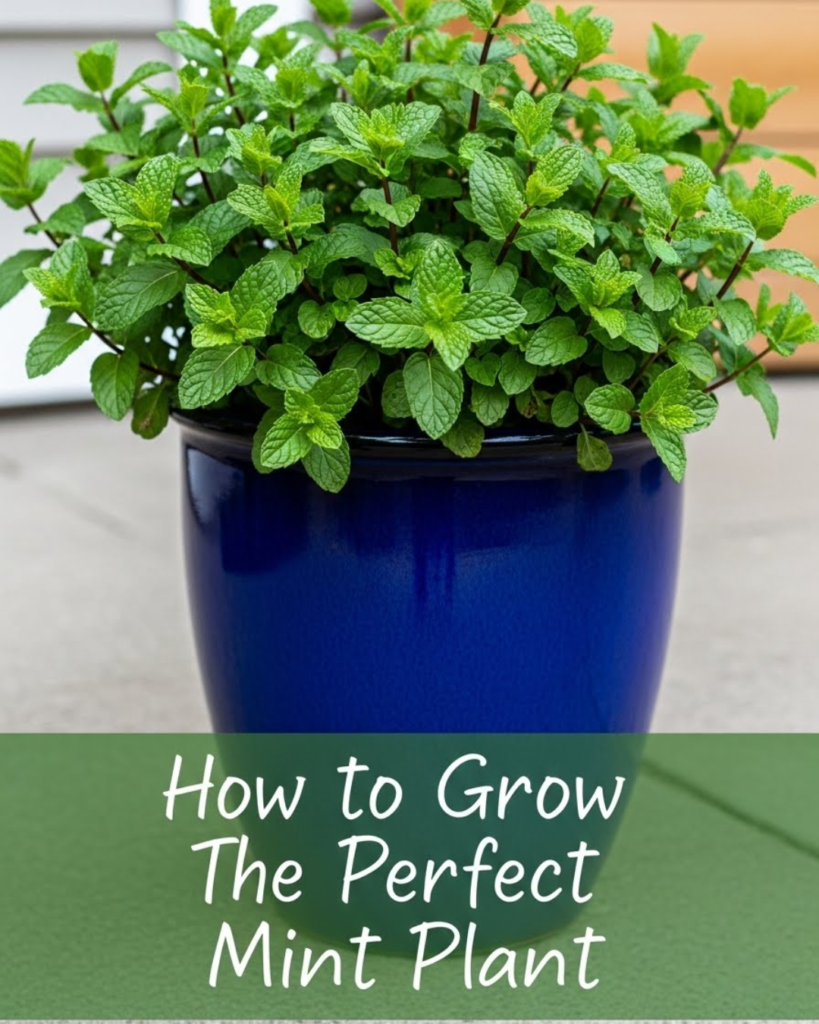
Want to grow lush, fragrant mint that thrives year after year? This complete guide shows you how to grow the perfect mint plant at home—whether in a garden bed, pot, or windowsill—with simple, proven steps that actually work.
Introduction
Mint is one of those plants that feels almost magical when grown well. One healthy plant can fill your kitchen with fresh aroma, elevate everyday meals, and support natural wellness routines—all with minimal effort. If you have ever tried growing mint and ended up with weak stems, bitter leaves, or a plant that completely took over your garden, you are not alone. Learning how to grow the perfect mint plant is about understanding its nature and working with it, not against it.
In this guide, you will discover how to grow mint successfully from the very beginning, avoid common mistakes, and keep your plant thriving season after season. Whether you are growing mint in pots, raised beds, or directly in the ground, this article will give you the confidence and practical steps you need to succeed.
Getting Started: What Mint Really Needs to Thrive
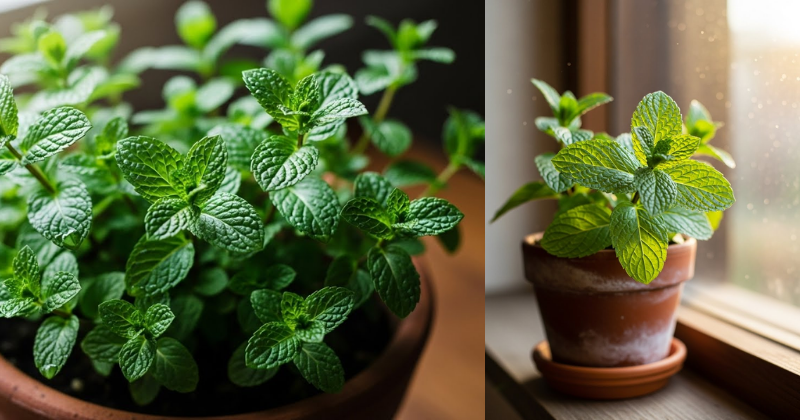
Mint is famously resilient, but growing the perfect mint plant starts with understanding its basic needs. Once those are met, mint rewards you with fast growth and abundant leaves.
Choosing the Right Mint Variety
There are dozens of mint varieties, and choosing the right one helps you grow with purpose. Some popular options include:
- Spearmint – Mild, sweet, perfect for tea and cooking
- Peppermint – Strong, cooling flavor ideal for wellness uses
- Chocolate mint – Aromatic with dessert-friendly notes
- Apple mint – Soft, fuzzy leaves with a fruity aroma
If you are a beginner, spearmint or peppermint are the easiest to manage and adapt well to most environments.
Sunlight and Location Basics
Mint grows best in partial sun, meaning 4–6 hours of direct sunlight per day. Too much intense sun can stress the plant, while full shade may slow growth.
Ideal locations include:
- East-facing gardens
- Balconies with morning light
- Bright indoor windowsills
Soil That Supports Healthy Growth
Mint prefers loose, well-draining soil that stays consistently moist. Heavy clay soil can stunt roots, while dry soil leads to bitter leaves.
For best results:
- Use compost-rich soil
- Aim for neutral to slightly acidic pH
- Avoid compacted garden beds
How to Plant Mint Step by Step
Planting mint correctly sets the foundation for long-term success. Whether you start from seed, cuttings, or nursery plants, technique matters.
Growing Mint From Cuttings (Best Method)
Cuttings are the fastest and most reliable way to grow mint.
- Cut a 4–6 inch stem just below a leaf node
- Remove lower leaves
- Place the stem in water or moist soil
- Roots appear within 7–10 days
Once rooted, transplant into soil and water gently.
Growing Mint From Seed
Seeds take longer and require patience, but they are still effective.
- Sow seeds on the surface of moist soil
- Do not bury deeply—mint seeds need light
- Keep soil consistently damp
- Germination takes 10–15 days
Seed-grown mint may vary slightly in flavor, which can be a fun experiment.
Spacing and Containment Matters
Mint spreads aggressively through underground runners.
To grow the perfect mint plant without chaos:
- Plant mint in containers or
- Use root barriers in garden beds
- Space plants at least 18 inches apart
Pro Tips for Growing Strong, Flavorful Mint
Once your mint is established, small adjustments make a big difference in quality and yield.
Watering the Right Way
Mint loves moisture but hates soggy roots.
Best watering practices:
- Water deeply 2–3 times per week
- Increase frequency in hot weather
- Avoid overhead watering late in the day
Consistent watering keeps leaves tender and aromatic.
Feeding Mint Naturally
Mint is not a heavy feeder, but occasional nutrients boost growth.
Use:
- Compost tea every 3–4 weeks
- Diluted fish emulsion
- Worm castings for slow-release nutrition
Avoid high-nitrogen chemical fertilizers, which can reduce flavor.
Pruning for Bushier Growth
Regular pruning transforms mint from leggy to lush.
- Pinch stems above leaf nodes
- Harvest often to encourage new shoots
- Never remove more than one-third of the plant at once
This is one of the most important steps in growing the perfect mint plant.
Troubleshooting Common Mint Growing Problems
Even easy plants have challenges. Knowing how to respond keeps your mint healthy and productive.
Why Is My Mint Turning Yellow?
Yellow leaves usually indicate:
- Overwatering
- Poor drainage
- Nutrient imbalance
Fix it by improving soil drainage and adjusting watering frequency.
Managing Pests Naturally
Mint repels many pests, but aphids and spider mites can still appear.
Natural solutions include:
- Neem oil spray
- Strong water spray to remove insects
- Companion planting with basil or marigolds
Preventing Mint From Taking Over
Mint’s fast growth can become overwhelming.
Control strategies:
- Grow in pots
- Trim roots yearly
- Harvest aggressively
Containment is not about limiting growth—it is about directing it.
How to Harvest and Use Mint for Maximum Flavor
Harvesting mint at the right time preserves oils and aroma.
When to Harvest Mint
- Harvest in the morning after dew dries
- Choose young, tender leaves
- Regular harvesting improves flavor
Mint is best used fresh but also dries well for long-term storage.
How to Store Mint Properly
For fresh storage:
- Wrap stems in damp paper towel
- Store in airtight container in fridge
For drying:
- Hang bundles upside down in shade
- Store dried leaves in glass jars
Internal Linking Opportunities
This article pairs well with:
- How to Grow Basil Indoors
- Best Herbs for Container Gardening
- Natural Pest Control for Home Gardens
- How to Dry and Store Fresh Herbs
- Beginner Herb Garden Layouts
Taking Your Mint Growing to the Next Level
Once you master the basics, mint becomes a long-term garden companion.
- Divide plants every 2–3 years
- Experiment with flavored mint varieties
- Grow mint indoors year-round
- Use mint as ground cover in controlled spaces
Mint also supports pollinators when allowed to flower, adding ecological value to your garden.
Conclusion
Growing the perfect mint plant is not about effort—it is about understanding. When you give mint the right soil, light, water, and gentle control, it thrives generously. Whether you are growing mint for tea, cooking, or simple enjoyment, this resilient herb rewards consistency with abundance.
Start small, prune often, and do not be afraid to harvest. With the steps in this guide, you now have everything you need to grow mint confidently and successfully—season after season.