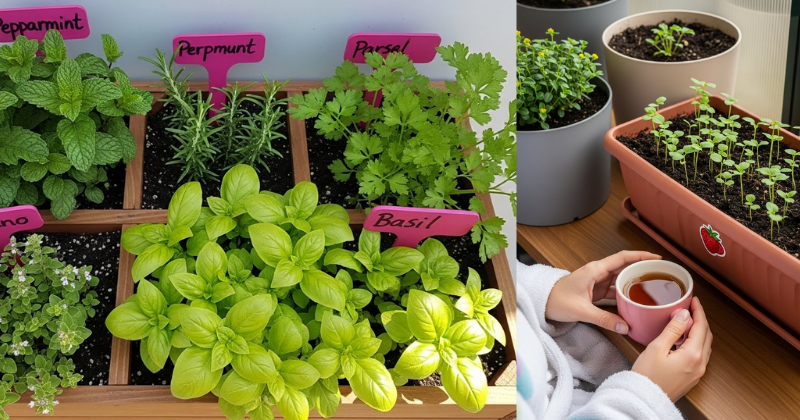
Discover the joy of natural healing when you grow your pharmacy right in your own backyard or windowsill. Transform your health and unlock nature’s secrets today! Imagine stepping out your back door to find a vibrant, living collection of remedies tailored specifically to your family’s needs. When you grow your pharmacy, you aren’t just planting seeds; you are cultivating a deeper connection with nature and taking a powerful step toward self-sufficiency.
The idea of a “living apothecary” might sound like something from a history book, but it is a modern, sustainable way to enhance your well-being. Whether you have a sprawling garden or a few pots on a sunny balcony, you can achieve incredible results. In this guide, we will explore how to select the right plants, nurture them to maturity, and safely use them to support your daily wellness. You have the power to transform your lifestyle—one leaf at a time.
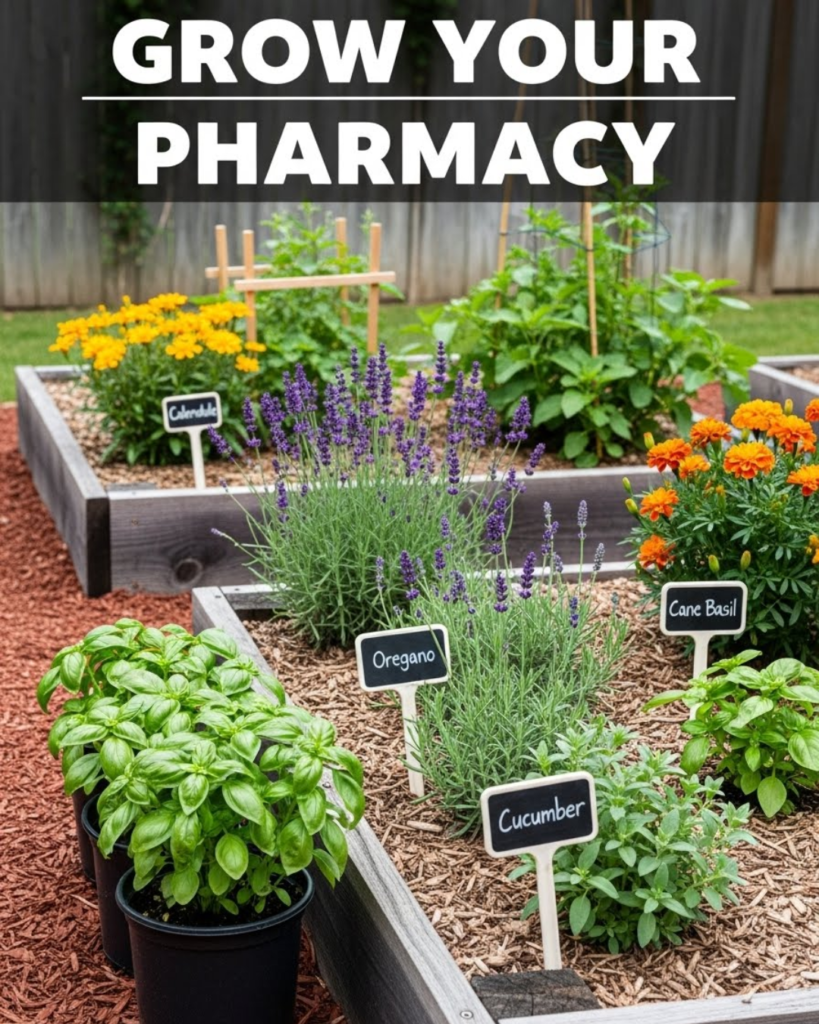
Getting Started: The Foundation of Your Healing Garden
Building a medicinal garden is one of the most rewarding DIY projects you can undertake. Before you dig your first hole, it is important to build your confidence with the basics. You don’t need a green thumb to succeed; you just need a bit of patience and a willingness to learn. Many people worry that medicinal plants are finicky, but most “healing” herbs are actually quite hardy and resilient.
Choosing the Right Location and Soil
To grow your pharmacy successfully, location is everything. Most medicinal herbs, such as lavender, rosemary, and echinacea, thrive in full sun—at least six to eight hours a day. However, some plants like lemon balm or mint are happy with a little afternoon shade.
When it comes to soil, think about drainage. Herbs generally dislike “wet feet,” which means their roots shouldn’t sit in soggy ground. If your soil is heavy clay, consider using raised beds or containers with high-quality potting mix. Rich, organic compost is your best friend here; it provides the nutrients your plants need to develop those potent essential oils that make them so effective.
Understanding Your Growing Zone
It is essential to know your local climate. Some plants are perennials (they come back every year), while others are annuals (they live for one season). If you live in a colder region, you might need to bring your potted rosemary indoors during the winter. Check your local hardiness zone to ensure you are selecting plants that will thrive in your specific environment. This simple step prevents frustration and ensures a bountiful harvest.
Top Plants to Kickstart Your Natural Apothecary
Once you have your space ready, the fun part begins: choosing your plants! When you decide to grow your pharmacy, start with versatile herbs that are easy to maintain. These “superstar” plants offer a wide range of benefits and are perfect for beginners.
Herbs for Calm and Sleep
- Lavender: Known for its soothing scent, lavender is a must-have. It’s excellent for reducing stress and promoting a restful night’s sleep.
- Chamomile: These dainty, daisy-like flowers make a gentle tea that helps settle the mind and the stomach.
- Lemon Balm: A member of the mint family, it has a bright, citrusy aroma and is famous for its ability to lift the mood and ease anxiety.
Herbs for Digestion and Vitality
- Peppermint: This is a powerhouse for digestive support. It grows incredibly fast—just be sure to plant it in a container so it doesn’t take over your entire garden!
- Ginger (in warmer climates): While it requires a bit more warmth, the root is unparalleled for treating nausea and supporting the immune system.
- Calendula: Often called “pot marigold,” these bright orange flowers are fantastic for skin health and can be used in homemade salves.
Featured Snippet: How do I start a medicinal garden for beginners?
- Select a sunny spot: Most herbs need 6+ hours of sunlight.
- Start small: Choose 3-5 versatile herbs like mint, lavender, and chamomile.
- Use quality soil: Ensure good drainage and add organic compost.
- Water consistently: Don’t let the soil dry out completely, but avoid overwatering.
- Harvest often: Regular pruning encourages more growth and higher potency.
From Soil to Sip: Harvesting and Preparing Your Remedies
Knowing how to grow your pharmacy is only half the battle; the real magic happens when you learn to harvest and use what you’ve grown. Timing is crucial. For most herbs, the best time to harvest is in the morning after the dew has dried but before the sun gets too hot. This is when the plant’s essential oils are at their peak.
- Drying Your Herbs: This is the most common way to preserve your harvest. You can bundle herbs and hang them upside down in a cool, dry place, or use a dehydrator on a low setting. Once they are “potato chip” crisp, store them in airtight glass jars away from direct sunlight.
- Making Herbal Teas (Infusions): For leaves and flowers, simply pour hot water over fresh or dried herbs and let them steep for 5-10 minutes. This is a wonderful way to enjoy the immediate benefits of your garden.
- Creating Tinctures: If you want something more concentrated, you can soak your herbs in a high-proof alcohol (like vodka) for several weeks. This extracts the medicinal properties and creates a shelf-stable remedy.
Experimenting with these methods allows you to customize your approach. You might find that you prefer a warm cup of chamomile tea in the evening, but keep a lavender salve handy for dry skin. The choice is yours!
Troubleshooting Common Garden Hurdles
Even the most experienced gardeners face challenges. If you notice your plants looking a little sad, don’t get discouraged! Setbacks are just opportunities to learn more about your ecosystem.
- Pest Problems: If aphids or mites show up, try a natural solution first. A simple spray of water and a few drops of organic neem oil can do wonders. Encouraging beneficial insects like ladybugs into your garden is another great preventive measure.
- Overwatering: This is the #1 killer of home gardens. If the leaves are turning yellow and the soil feels mushy, back off on the watering. Let the top inch of soil dry out before adding more moisture.
- Leggy Growth: If your plants are tall and spindly, they are likely reaching for more light. Move them to a sunnier spot or prune them back to encourage a bushier, healthier shape.
Remember, gardening is a conversation between you and the earth. If something isn’t working, try a different approach. Maybe that rosemary would be happier in a terra cotty pot, or perhaps the mint needs more water than the lavender.
Cultivating Long-Term Wellness and Expansion
As you become more comfortable, you can take your efforts to the next level. To truly grow your pharmacy, consider implementing advanced strategies like companion planting. This involves placing certain plants together to help them grow better—for example, planting marigolds near your herbs can help deter unwanted pests.
Think about the long-term maintenance of your garden. Adding a fresh layer of mulch each spring helps retain moisture and suppress weeds. You can also look into [composting basics] to create your own nutrient-rich “black gold” for your plants. As your garden expands, you might even consider [essential oil extraction] or learning more about [soil health] to maximize the potency of your harvest.
Building a pharmacy is a journey, not a destination. Each season brings new lessons and new opportunities to discover the healing power of the natural world. Stay curious, keep planting, and enjoy the incredible transformation of your health and home.
Important Disclaimer: This article is for informational purposes only and should not replace professional advice. For health-related topics, consult healthcare providers. For financial or legal matters, seek qualified professional guidance. For safety procedures, verify current best practices and local regulations. Individual results may vary, and personal circumstances should always be considered when implementing any suggestions.
Conclusion
You now have the tools and the knowledge to grow your pharmacy and embrace a lifestyle of natural wellness. From the simple act of planting a seed to the satisfaction of brewing your own herbal tea, the benefits of a medicinal garden are endless. You have the capability to succeed, whether you are starting with a single pot of mint or a full backyard sanctuary.
By nurturing these plants, you are nurturing yourself. The transition from consumer to creator is an empowering one that leads to sustainable, long-term health benefits. So, take that first step today—grab some seeds, find a sunny spot, and watch your wellness flourish!