Meta description (first 150–160 characters):
Learn how to naturally descale your washing machine using lemon and salt instead of harsh chemicals. Save money, protect your machine, and clean effectively.
Introduction
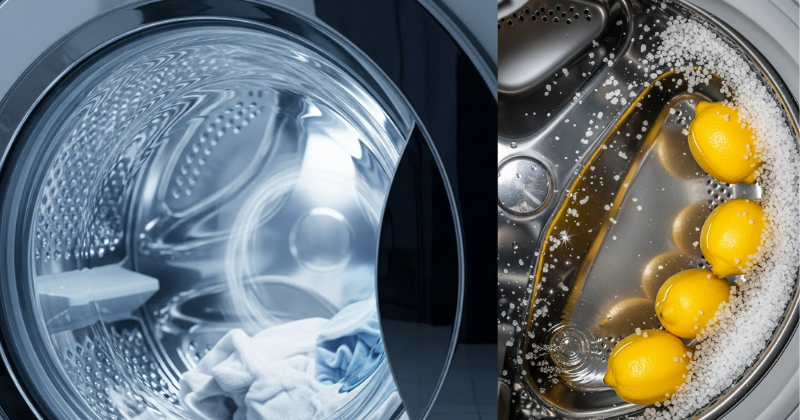
If your washing machine smells musty, leaves residue on clothes, or shows hard water buildup, you’re not alone. Mineral deposits and detergent residue silently accumulate inside many machines. But here’s the good news: you can naturally descale your washing machine using lemon and salt instead of expensive commercial cleaners.
This simple DIY method transforms your machine’s performance with ingredients already in your kitchen. You’ll discover how to remove stubborn limescale, eliminate odors, and restore washing efficiency—without harmful chemicals.
This guide walks you through a complete step-by-step cleaning process, explains why lemon and salt work, and shares pro tips to maintain a clean, fresh washer long-term. Whether you use a top loader or front loader, you’ll feel confident tackling buildup naturally.
Plus, this method is great for your wallet and indoor air quality. Ready to unlock a fresh, deep-cleaned machine? Let’s dive in.
What You Need to Know Before You Start
Understanding Natural Descaling (H2)
Natural descaling dissolves mineral deposits using acidic and abrasive ingredients instead of synthetic chemicals. Lemon juice softens hard deposits, while salt scrubs and deodorizes. Together, they create a powerful natural cleaning reaction you can trust.
Why Lemon + Salt Works (H3)
Lemon contains citric acid, a gentle descaler found in commercial products. Salt acts as a mild abrasive that loosens buildup on tub walls and gaskets. When combined, they:
- Break down limescale and mineral residue
- Dissolve old detergent buildup
- Neutralize odors
- Kill some bacteria and mold spores
Common Misconceptions (H3)
You might think natural cleaners aren’t strong enough for serious buildup. But regular natural descaling prevents damage, improves machine efficiency, and saves money long-term.
Step-by-Step Guide: How to Naturally Descale Your Washing Machine (H2)
Follow these manageable steps to achieve a clean, fresh-smelling washer.
Step 1: Gather Your Supplies (H3)
You only need:
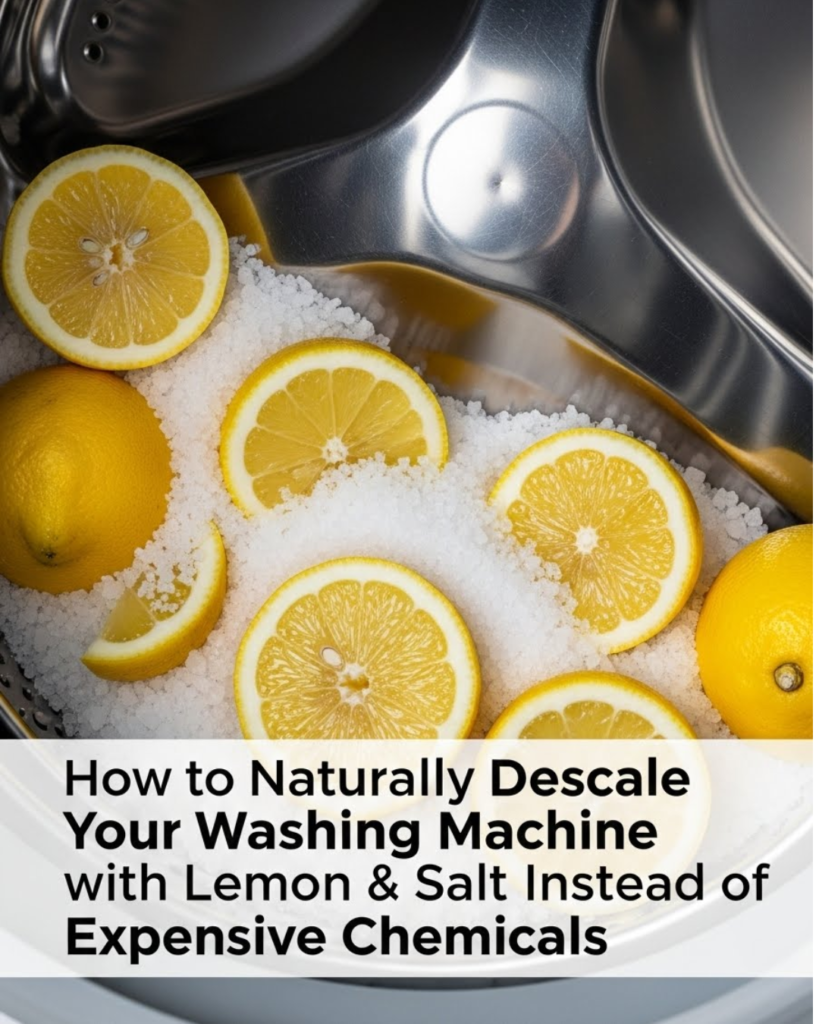
- 3–4 large lemons
- 1 cup coarse salt
- Optional: white vinegar for extra power
- Clean microfiber cloth
- Old toothbrush
Step 2: Clean the Rubber Seal and Detergent Drawer (H3)
- Mix lemon juice and salt into a paste.
- Spread it along the rubber seal.
- Scrub gently using the toothbrush.
- Let sit for 10–15 minutes.
- Wipe clean with a damp cloth.
Step 3: Run a Hot Wash Cycle with Lemon (H3)
- Pour lemon juice into the detergent compartment.
- Sprinkle salt inside the empty drum.
- Select the hottest wash cycle.
- Let the cycle complete fully.
Step 4: Wipe and Refresh Drum + Door (H3)
Once the cycle finishes:
- Open the door
- Wipe interior with microfiber cloth
- Leave door open to air dry
Pro-Level Tips & Variations for Maximum Cleaning Power (H2)
Boost the Cleaning Action (H3)
Consider adding ½ cup white vinegar to intensify the descaling process. Vinegar increases acidity and breaks down deposits faster.
Customize for Hard Water Areas (H3)
If you live somewhere with especially hard water:
- Repeat descaling every 2–3 weeks
- Use filtered water for final rinse cycles
- Add a water softening ball to detergent drawer
Deep Cleaning for Front Loaders (H3)
Front loaders often trap water behind the door gasket. Use extra salt paste to scrub creases and wipe dry thoroughly to prevent mold growth.
Troubleshooting: What to Do if Descaling Doesn’t Work the First Time (H2)
Buildup Still Visible? (H3)
Don’t panic. Hard water deposits build up slowly, so they need repeated cleaning. Try:
- Running two cycles back-to-back
- Applying paste directly to trouble spots
- Letting paste sit longer (30–40 min)
Bad Odors Continue (H3)
Musty smells often mean trapped moisture. Prevent odor recurrence by:
- Leaving door open after every wash
- Removing wet clothes promptly
- Cleaning drain pump filter monthly
Water Stains on Clothing (H3)
This usually indicates mineral residue. Run a rinse cycle with lemon juice before washing clothes again.
Take Your Cleaning to the Next Level (H2)
Prevent Buildup Long-Term (H3)
Maintenance habits keep your machine running smoothly:
- Perform natural descaling monthly
- Wipe drum and seal weekly
- Use high-quality, low-sud detergent
Save Money with Natural Cleaners (H3)
Lemon + salt cleaning is extremely cost-effective. No more pricey descaling tabs or harsh chemicals.
Complementary Strategies (H3)
For extra deep cleaning, pair this method with:
- Vinegar rinse cycles
- Baking soda deodorizing
- Regular filter cleaning
Frequently Asked Question: Does Lemon Damage Washing Machines? (H2)
Short answer: No, when used correctly.
Citric acid is safe for stainless steel drums and rubber seals when properly diluted and used occasionally. Avoid leaving highly concentrated lemon juice on rubber parts for long periods, and always rinse thoroughly. This method is safer than many harsh chemical descalers.
Internal Linking Suggestions
This topic connects perfectly with related content such as:
- How to remove sweat stains naturally
- Best herbs for wellness teas
- DIY cleaning tips for bathrooms
- Natural remedies for arthritis knee pain
- Gardening hacks to eliminate pests
Conclusion
Now you know exactly how to naturally descale your washing machine using lemon and salt instead of expensive chemicals. You don’t need harsh products to dissolve stubborn buildup, eliminate odors, and improve cleaning power.
With just a few simple steps, you’ll transform your machine’s performance, protect its lifespan, and enjoy cleaner, fresher clothes.
Try this natural method today. You’ll be amazed how satisfying—and effective—natural cleaning can be.