
Managing hypertension through natural compounds represents a compelling intersection of traditional wisdom and contemporary cardiovascular research. This garlic and lemon preparation offers seniors a complementary approach to blood pressure management, supported by emerging scientific evidence regarding endothelial function and vascular health.
Understanding the Cardiovascular Mechanisms of Garlic and Lemon
The physiological effects of garlic (Allium sativum) and lemon (Citrus limon) on blood pressure involve multiple interconnected pathways within the cardiovascular system. These natural compounds demonstrate documented influences on vascular tone, endothelial function, and arterial compliance through distinct yet complementary mechanisms.
Garlic contains organosulfur compounds, particularly allicin and its derivatives, which undergo enzymatic conversion when the clove structure is disrupted. These metabolites demonstrate vasodilatory properties through hydrogen sulfide (H₂S) production, a gasotransmitter that relaxes smooth muscle cells in arterial walls. Research published in cardiovascular journals indicates that garlic supplementation can reduce systolic blood pressure by 8-10 mmHg and diastolic pressure by 5-6 mmHg in hypertensive individuals.
Lemon contributes ascorbic acid (vitamin C), flavonoids, and citric acid, compounds that support endothelial nitric oxide synthase activity. Nitric oxide represents a crucial signaling molecule for vascular relaxation, and its production typically declines with age. The antioxidant properties of citrus flavonoids protect against oxidative stress, which damages endothelial cells and contributes to arterial stiffening.
The Endothelial Function Connection
Endothelial dysfunction precedes clinical hypertension and represents a critical therapeutic target. The synergistic action of garlic’s sulfur compounds and lemon’s antioxidants supports endothelial cell health through multiple pathways: reducing inflammatory markers, enhancing nitric oxide bioavailability, and protecting against lipid peroxidation.
Age-Related Vascular Changes
Arterial stiffness increases naturally with aging due to elastin degradation, collagen accumulation, and endothelial senescence. These structural changes elevate systolic pressure while potentially reducing diastolic pressure, creating the characteristic pulse pressure widening observed in older adults. Natural compounds that preserve vascular elasticity offer particular relevance for senior populations.
Preparation Methods for Optimal Bioavailability and Safety
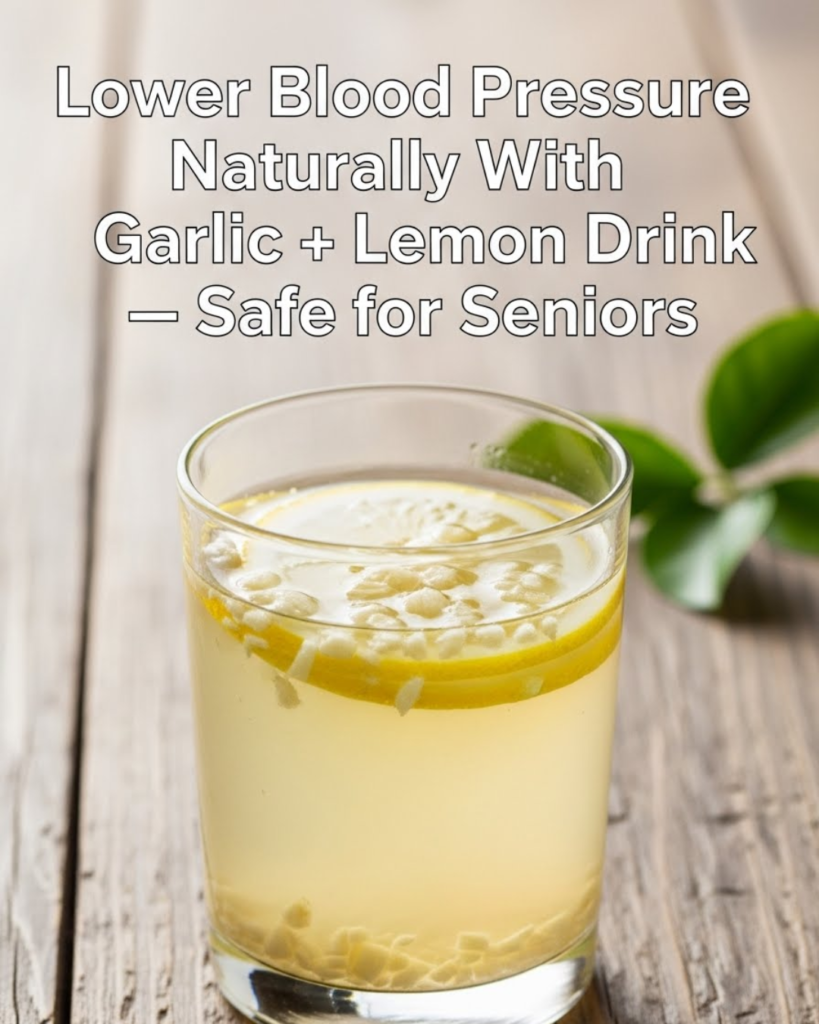
Creating an effective garlic-lemon beverage requires attention to preparation techniques that maximize active compound extraction while ensuring palatability and digestive tolerance for older adults.
Essential Components:
- 1-2 fresh garlic cloves (approximately 4-8 grams)
- Juice of one medium lemon (30-40 milliliters)
- 250 milliliters of warm water (not exceeding 60°C)
- Optional: raw honey (5-10 milliliters) for palatability
Preparation Protocol:
Begin by crushing or mincing garlic cloves and allowing them to rest for 10 minutes at room temperature. This crucial step activates alliinase enzymes that convert alliin to allicin, the primary bioactive compound. Immediate heating or consumption prevents this enzymatic conversion, significantly reducing therapeutic potential.
Squeeze fresh lemon juice directly into warm water, avoiding temperatures that would degrade heat-sensitive vitamin C. Combine the rested garlic with the lemon water, stirring thoroughly. For those sensitive to raw garlic’s intensity, beginning with smaller quantities and gradually increasing over 2-3 weeks enhances tolerance.
Timing and Consumption Considerations
Consume this preparation on an empty stomach, ideally 20-30 minutes before breakfast, when gastric acidity facilitates compound absorption while minimizing potential gastrointestinal discomfort. The citric acid in lemon helps mask garlic’s pungent flavor while potentially enhancing sulfur compound stability.
Quality and Storage Factors
Select fresh, firm garlic bulbs showing no sprouting or soft spots, as compound degradation accelerates with age. Organic lemons minimize pesticide exposure, particularly relevant given that seniors may have reduced hepatic detoxification capacity. Prepare each serving fresh rather than batch-preparing, as active compounds degrade rapidly once exposed to oxygen and light.
Evidence-Based Benefits and Physiological Effects
The cardiovascular advantages of this garlic-lemon combination extend beyond simple blood pressure reduction, encompassing multiple aspects of vascular health particularly relevant to aging populations.
Documented Cardiovascular Outcomes
Meta-analyses examining garlic supplementation demonstrate consistent modest reductions in blood pressure across diverse populations. A comprehensive review of 20 controlled trials indicated average reductions of 8.3 mmHg systolic and 5.5 mmHg diastolic in hypertensive participants. These magnitudes, while seemingly modest, translate to clinically meaningful risk reductions for cardiovascular events.
Lemon’s contribution involves improving arterial compliance through antioxidant protection. Studies measuring pulse wave velocity, a marker of arterial stiffness, show improvements with regular citrus flavonoid consumption. Enhanced arterial elasticity reduces cardiac workload and improves perfusion to vital organs.
Lipid Profile Modulation
Garlic demonstrates documented effects on lipid metabolism, reducing total cholesterol and low-density lipoprotein (LDL) levels while modestly increasing high-density lipoprotein (HDL). Since dyslipidemia frequently accompanies hypertension in seniors, these combined effects offer comprehensive cardiovascular support.
Anti-Inflammatory and Antioxidant Properties
Chronic low-grade inflammation characterizes cardiovascular aging and contributes to endothelial dysfunction. Garlic’s organosulfur compounds and lemon’s polyphenols reduce inflammatory markers including C-reactive protein and interleukin-6, potentially slowing vascular aging processes.
Platelet Aggregation Reduction
Excessive platelet activity increases thrombotic risk, particularly concerning for seniors with existing cardiovascular disease. Garlic demonstrates antiplatelet effects through thromboxane synthesis inhibition, though these effects remain significantly milder than pharmaceutical anticoagulants.
Safety Considerations and Contraindications for Senior Populations
While generally well-tolerated, garlic and lemon consumption requires careful consideration within the complex medication regimens and physiological changes characteristic of older adults.
Medication Interactions
Garlic’s antiplatelet properties necessitate caution for individuals taking anticoagulants including warfarin, aspirin, or newer agents like rivaroxaban. While clinical bleeding events remain rare, the theoretical risk warrants medical consultation before beginning regular garlic consumption. Monitor for easy bruising, prolonged bleeding from minor cuts, or unusual bleeding patterns.
Garlic may influence cytochrome P450 enzyme systems involved in medication metabolism, potentially affecting blood levels of certain drugs including some statins, immunosuppressants, and antiretrovirals. Seniors taking multiple medications should discuss potential interactions with their healthcare provider or clinical pharmacist.
Gastrointestinal Tolerance
Raw garlic can irritate the gastric mucosa, potentially problematic for individuals with gastroesophageal reflux disease, peptic ulcers, or gastritis. Starting with minimal quantities and consuming with food when necessary enhances tolerance. Persistent heartburn, abdominal pain, or nausea warrants discontinuation.
Contraindications and Special Circumstances
Individuals scheduled for surgery should discontinue garlic consumption 7-10 days preoperatively due to bleeding concerns. Those with documented garlic allergies should obviously avoid this preparation. Seniors with kidney disease should consult physicians regarding citrus consumption, as citrate metabolism may be impaired in renal insufficiency.
Blood Pressure Monitoring Protocols
Regular home blood pressure monitoring becomes essential when implementing natural interventions. Measure pressure at consistent times, typically morning and evening, recording values systematically. Sudden drops below 120/80 mmHg or symptomatic hypotension (dizziness, lightheadedness, falls) require immediate medical attention and potential adjustment of antihypertensive medications.
Optimizing Results Through Lifestyle Integration
This garlic-lemon preparation achieves maximal effectiveness when incorporated within comprehensive cardiovascular health strategies addressing multiple hypertension risk factors.
Dietary Modifications
The DASH (Dietary Approaches to Stop Hypertension) eating pattern demonstrates robust evidence for blood pressure reduction through increased vegetable, fruit, and whole grain consumption while limiting sodium, saturated fat, and added sugars. Combining this beverage with DASH principles creates synergistic effects exceeding either approach alone.
Sodium reduction represents particularly powerful intervention for salt-sensitive individuals, common among older adults. Limiting sodium to 1,500-2,300 milligrams daily often produces blood pressure reductions comparable to single-drug therapy. Replace salt with herbs, spices, and citrus to maintain food palatability.
Physical Activity Adaptations
Regular aerobic exercise reduces systolic pressure by 5-7 mmHg through multiple mechanisms including improved endothelial function, reduced sympathetic nervous system activity, and enhanced insulin sensitivity. Seniors should aim for 150 minutes weekly of moderate-intensity activity, adapted to individual capabilities and medical conditions.
Resistance training, often overlooked in hypertension management, improves vascular function and metabolic health. Light to moderate resistance exercises performed 2-3 times weekly complement aerobic activities effectively.
Stress Management Techniques
Chronic stress elevates blood pressure through sustained sympathetic activation and cortisol hypersecretion. Mind-body practices including meditation, progressive muscle relaxation, and deep breathing exercises demonstrate measurable blood pressure reductions. Even 10-15 minutes daily of structured relaxation practice yields benefits.
Sleep Quality Optimization
Sleep disorders, particularly obstructive sleep apnea, strongly associate with treatment-resistant hypertension. Seniors experiencing unrefreshing sleep, daytime fatigue, or witnessed apneas should undergo sleep evaluation. Maintaining consistent sleep schedules, optimizing bedroom environment, and addressing sleep disorders improves blood pressure control.
Monitoring Progress and Adjusting Treatment Approaches
Systematic assessment of cardiovascular parameters enables evidence-based decisions regarding intervention effectiveness and necessary modifications.
Establishing Baseline Measurements
Before initiating this natural approach, establish comprehensive baseline data including resting blood pressure (multiple readings over several days), heart rate, and if available, lipid profile and inflammatory markers. This baseline enables objective assessment of intervention effects.
Realistic Timeline Expectations
Natural cardiovascular interventions typically require 4-8 weeks before demonstrating measurable effects. Unlike pharmaceutical interventions with rapid onset, botanical compounds exert gradual, sustained influences on vascular physiology. Patience and consistency prove essential for success.
When to Intensify Medical Management
This natural approach complements but does not replace conventional therapy for significant hypertension. Readings consistently exceeding 140/90 mmHg despite 8-12 weeks of comprehensive natural interventions warrant medical consultation regarding pharmacological therapy. Hypertensive urgency (>180/120 mmHg) requires immediate medical evaluation regardless of symptoms.
Integrating with Conventional Treatment
Many seniors can reduce antihypertensive medication requirements through successful lifestyle modifications and natural supplementation, but medication adjustments must occur under medical supervision. Never independently discontinue or reduce prescribed medications without physician guidance, as abrupt cessation of certain antihypertensives can precipitate dangerous blood pressure elevations.
Scientific Research Perspectives and Future Directions
Understanding the evolving research landscape regarding natural cardiovascular interventions helps contextualize this approach within evidence-based medicine.
Current Evidence Quality
While numerous studies document garlic’s antihypertensive effects, research quality varies considerably. Systematic reviews identify methodological limitations including small sample sizes, variable garlic preparations, and inadequate control groups in many trials. However, the consistency of modest beneficial effects across diverse studies strengthens confidence in clinical relevance.
Lemon and citrus research remains less developed regarding blood pressure specifically, though robust evidence supports broader cardiovascular benefits through endothelial function improvement and oxidative stress reduction.
Emerging Research Areas
Contemporary investigations explore optimal garlic compound extraction methods, standardized preparations ensuring consistent allicin delivery, and combination approaches with other botanicals. Researchers also examine individual genetic variations influencing response to garlic supplementation, potentially enabling personalized recommendations.
Comparative Effectiveness Studies
Direct comparisons between natural interventions and pharmaceutical approaches remain limited. Available evidence suggests garlic produces blood pressure reductions approximately one-third to one-half those achieved by standard antihypertensive medications, though with favorable side effect profiles. This positions natural approaches as valuable complements rather than replacements for conventional therapy in moderate to severe hypertension.
Conclusion
The garlic and lemon beverage represents a scientifically-grounded, accessible approach to supporting cardiovascular health in senior populations, particularly for those with prehypertension or mild hypertension. While not substituting for necessary pharmaceutical interventions, this natural preparation offers meaningful blood pressure reductions through well-characterized physiological mechanisms involving endothelial function enhancement, arterial compliance improvement, and oxidative stress reduction.
Success requires consistent daily consumption integrated within comprehensive lifestyle modifications addressing diet, physical activity, stress management, and sleep quality. Regular blood pressure monitoring enables objective assessment of effectiveness while ensuring safety. The modest cardiovascular benefits, combined with excellent tolerability and safety profile, position this approach as a valuable component of healthy aging strategies focused on preserving vascular health and reducing cardiovascular disease risk throughout the senior years.
Important Disclaimer: This article is for informational purposes only and should not replace professional advice. For health-related topics, consult healthcare providers. For financial or legal matters, seek qualified professional guidance. For safety procedures, verify current best practices and local regulations. Individual results may vary, and personal circumstances should always be considered when implementing any suggestions.