
Creating clay diffuser stones transforms the mundane act of home fragrance into an intimate ritual of craftsmanship and sensory alchemy. These porous, elegant pieces become silent storytellers in your living spaces, releasing whispers of botanical essence that shift with the hours and seasons. Unlike synthetic air fresheners that assault the senses, handmade clay diffusers offer a gentle, evolving conversation between natural materials and essential oils—a dialogue you orchestrate with your own hands.
The beauty of this craft lies not merely in its simplicity, but in its profound connection to ancient traditions of scent and ceremony. Each stone you create becomes a unique vessel, holding both fragrance and intention within its earthen embrace.
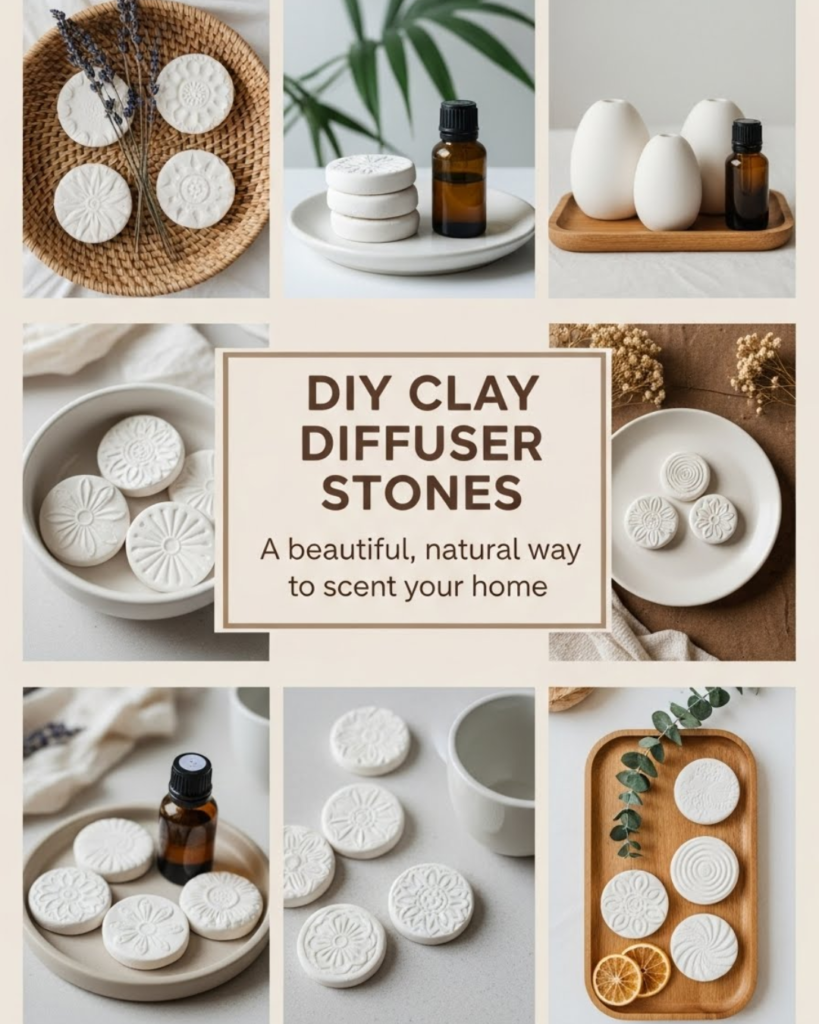
The Poetry of Porous Clay: Understanding Your Medium
Clay possesses an almost mystical quality in its relationship with aromatic oils. Its microporous structure acts as a breathing skin, slowly releasing fragrance molecules into the air through a process both patient and persistent. This isn’t the aggressive dispersal of plug-in devices or the overwhelming cloud of spray fresheners—it’s a subtle, sophisticated perfuming that respects the sensory landscape of your home.
Why Clay Transforms Home Fragrance
The alchemy begins at the molecular level. Air-dry clay and natural earthen clays contain countless microscopic channels and cavities that trap and gradually release essential oils. As the oil evaporates from these tiny chambers, it carries botanical compounds into your breathing space with remarkable consistency. A single application can perfume a room for days or even weeks, depending on the oil’s volatility and the stone’s composition.
This natural diffusion method honors the complexity of essential oils in ways that heat-based diffusers cannot. There’s no alteration of the oil’s chemical structure, no degradation of its therapeutic properties—only pure, unmodified scent unfolding in your environment.
The Ritual of Natural Materials
Working with clay connects you to humanity’s oldest creative traditions. Your hands shape earth and water into forms that serve both beauty and function, creating objects that exist at the intersection of art and aromatherapy. This tactile experience grounds you in the present moment, transforming a simple craft project into a meditation on texture, form, and purpose.
Gathering Your Materials: A Curator’s Approach
The success of your clay diffuser stones begins with thoughtful material selection. Each component contributes to the final piece’s functionality and aesthetic presence.
Essential Clay Options
Air-dry clay emerges as the most accessible choice for beginners and experienced crafters alike. Brands like DAS or Crayola air-dry clay provide consistent results without requiring kiln access. These clays cure naturally over 24-72 hours, developing the porosity essential for fragrance diffusion. For those seeking authenticity, natural earthen clays—terracotta or pottery clay—offer superior porosity and a more organic aesthetic, though they require proper drying techniques to prevent cracking.
Polymer clays should be avoided despite their craft store ubiquity. Once baked, they become non-porous and incapable of absorbing or releasing essential oils effectively.
Tools That Shape Your Vision
Your hands remain your primary instruments, but a few carefully chosen tools elevate the creative process. Rolling pins or smooth cylinders help achieve even thickness, preventing structural weak points. Cookie cutters, bottle caps, or hand-carved stamps allow you to explore geometric precision or organic irregularity. Texture tools—lace, leaves, fabric, or specialized clay stamps—add dimensional interest that catches light and creates visual depth.
A small dish of water becomes your smoothing agent, helping blend imperfections and create seamless surfaces. Parchment paper or silicone mats protect your work surface and prevent adhesion during the forming process.
Aromatic Soul: Selecting Essential Oils
The essential oils you choose become the voice of your diffuser stones. Lavender speaks in calming, floral tones perfect for bedrooms and meditation spaces. Eucalyptus and peppermint energize home offices and creative studios with their clarifying presence. Citrus oils—bergamot, sweet orange, lemon—bring sunshine and optimism to kitchens and gathering spaces.
Consider creating aromatic narratives: woody oils like cedarwood and sandalwood ground spaces with earthy sophistication, while floral bouquets of ylang-ylang, geranium, and jasmine transform bathrooms into spa sanctuaries. The art lies not in overwhelming concentration, but in discovering the minimum effective fragrance that enhances rather than dominates your environment.
Crafting Your Stones: A Step-by-Step Journey
The creation process unfolds as a series of mindful decisions, each shaping both form and function.
Preparing Your Canvas
Begin by conditioning your clay, kneading it gently until it reaches a smooth, workable consistency. This isn’t mere preparation—it’s your first conversation with the material, learning its moisture content, elasticity, and temperament. If the clay feels dry or cracking, add tiny amounts of water and knead thoroughly. Overly sticky clay benefits from brief air exposure or a light dusting of cornstarch.
Roll your clay to approximately quarter-inch thickness—thin enough to ensure thorough drying yet substantial enough to maintain structural integrity. This thickness optimizes the surface-to-volume ratio, maximizing essential oil absorption while creating pieces sturdy enough for daily handling.
Shaping Intentional Forms
Your shapes can range from minimalist geometry to organic naturalism. Circular discs evoke stones smoothed by ancient rivers. Leaf forms bring botanical references full circle. Hearts, stars, or custom silhouettes allow personalization that reflects your home’s unique character.
Consider practical elements alongside aesthetics. Flat bases ensure stability when stones rest on surfaces. Slight concavity in the center creates a natural reservoir for oil application. If you envision hanging diffusers, pierce holes near the top using skewers or small straws, ensuring they’re large enough to accommodate ribbon or cord.
Texture as Tactile Poetry
This stage invites experimentation and play. Press lace against the clay’s surface to create delicate patterns. Roll natural leaves—ferns, oak, or herbs—into the clay, transferring their botanical blueprints. Stamp personal symbols, initials, or meaningful words that transform functional objects into talismans.
Texture serves dual purposes: it increases surface area for fragrance diffusion while creating visual interest that makes each piece conversation-worthy. Let your intuition guide these choices, remembering that imperfections often contribute the most character.
The Patience of Drying
Position your formed stones on a flat, dry surface with adequate air circulation. The drying process typically spans 24-48 hours for thin pieces, extending to 72 hours or more for thicker creations. Resist the temptation to accelerate drying with direct heat—this invites cracking and warping that compromise both beauty and function.
Turn pieces every 8-12 hours to ensure even moisture release from all surfaces. In humid environments, consider placing stones near dehumidifiers or in rooms with controlled air flow. The clay’s color shift from darker, moist tones to lighter, matte finishes signals complete curing.
Elevating Your Craft: Advanced Techniques and Variations
Once you’ve mastered basic stone creation, infinite variations await your exploration.
Layered Color and Natural Pigmentation
Introduce visual depth by kneading natural pigments into portions of your clay. Activated charcoal creates sophisticated grays and blacks perfect for modern aesthetics. Turmeric powder yields warm golden tones. Spirulina powder produces soft sage greens. Cocoa powder offers earthy browns reminiscent of ancient ceramics.
Create marbled effects by partially blending different colored clays, allowing distinct color streams to remain visible. Form two-toned pieces by pressing contrasting clay layers together, then shaping them as unified objects.
Embedded Botanicals for Visual Narrative
Press dried flowers, herbs, or petals into your clay surface before final drying. Lavender buds, rose petals, or chamomile flowers create visual connections to the essential oils you’ll later apply. These botanical inclusions become preserved specimens, their colors softening to antique tones as the clay cures.
Ensure embedded materials are completely dry before incorporation—residual moisture can create mold growth or compromise clay integrity during the curing process.
Creating Diffuser Collections
Design coordinated sets that tell aromatic stories throughout your home. Morning energy blends might feature citrus-scented stones in bright, cheerful shapes for kitchen and bathroom placement. Evening relaxation collections could embrace deeper tones and calming forms infused with lavender and chamomile for bedroom sanctuaries.
Seasonal collections allow you to rotate fragrances and aesthetics throughout the year. Spring diffusers might celebrate floral essential oils with petal-shaped stones. Autumn collections could feature leaf forms paired with spice-forward aromatics like cinnamon bark, clove, and sweet orange.
Activating and Maintaining Your Aromatic Creations
The completion of your clay stones marks the beginning of their functional life as home fragrance vessels.
The First Anointing
Add 5-10 drops of your chosen essential oil directly to the stone’s surface, focusing on textured areas or intentional reservoirs if you’ve created them. The clay will absorb the oil within minutes, its color deepening slightly as the liquid penetrates the porous structure. For larger stones or more intense fragrance, increase to 15-20 drops.
Allow the stone to rest for 30 minutes before placing it in your chosen location. This settling period lets the oil distribute evenly throughout the clay’s internal structure, ensuring consistent, prolonged release.
Strategic Placement for Maximum Impact
Position stones where natural air movement enhances fragrance distribution without accelerating evaporation. Nightstands, bathroom counters, and entryway tables create ideal platforms. Hanging diffusers benefit from placement near windows or doorways where gentle drafts carry scent throughout rooms.
Avoid direct sunlight, which degrades essential oils’ aromatic and therapeutic properties. Similarly, keep stones away from heating vents that create temperature extremes disrupting gradual diffusion.
Refreshing and Rotating Fragrances
As fragrance fades—typically after 7-14 days depending on oil volatility and environmental conditions—simply reapply essential oils to the same stone. The clay’s memory holds traces of previous scents, creating subtle aromatic evolution over time. This layering effect can produce complex, personalized fragrances unique to your space.
To completely change fragrances, allow stones to air out for several days, or place them in sunlight for a few hours to neutralize residual aromatics. Some crafters dedicate specific stones to particular oil families—citrus stones, floral stones, woodsy stones—building aromatic patinas that deepen with use.
Troubleshooting Common Challenges
Even experienced clay crafters encounter occasional obstacles. Understanding solutions prevents frustration and encourages continued creativity.
Preventing and Addressing Cracks
Cracks typically result from uneven drying or clay that’s too dry during shaping. If cracks appear during the drying process, gently rub slightly dampened fingers over affected areas, encouraging clay particles to blend and seal. For completed stones with minor cracks, mix a small amount of leftover clay with water to create a paste, applying it carefully to fill gaps before allowing additional drying time.
Prevention proves easier than repair. Ensure consistent clay thickness throughout each piece, turn stones regularly during drying, and maintain moderate humidity levels in your drying environment.
Enhancing Oil Absorption
If your completed stones seem to repel rather than absorb essential oils, they may have developed a surface layer during drying that resists penetration. Gently buff the surface with fine-grit sandpaper to expose fresh clay, then reapply oils. Alternatively, stones may be overly dense—future projects benefit from slightly thicker applications or the addition of small amounts of perlite mixed into clay before shaping, creating enhanced porosity.
Fragrance That Fades Too Quickly
Rapid fragrance dissipation often indicates insufficient oil application or overly porous clay. Increase initial oil application by 50%, ensuring the stone fully saturates. For future projects, consider slightly reducing texture depth or creating thicker pieces that provide more internal structure for oil retention.
Environmental factors also influence longevity. High temperatures, direct airflow, and low humidity all accelerate evaporation. Adjust placement accordingly, seeking locations that balance fragrance distribution with preservation.
Beyond Basic Diffusion: Creative Applications
Clay diffuser stones transcend simple room freshening, offering opportunities for personalized expression and thoughtful gifting.
Aromatherapy for Specific Intentions
Create stones devoted to particular wellness goals, pairing specific essential oil blends with symbolic shapes. Focus-enhancing stones for workspaces might feature peppermint and rosemary oils in geometric forms suggesting clarity and precision. Sleep-supporting stones could marry lavender and cedarwood with crescent moon shapes. Mood-lifting pieces might celebrate bergamot and ylang-ylang through sun-inspired designs.
These intentional creations transform functional objects into daily reminders of your wellness commitments, their fragrances triggering both physiological responses and psychological associations that support your goals.
Gifts Crafted with Presence
Handmade diffuser stones become deeply personal gifts that convey care and thoughtfulness impossible to replicate through purchased items. Create sets themed to recipients’ needs: new home stones scented with grounding oils like frankincense and sandalwood, new parent stones featuring calming lavender and chamomile, or friend-appreciation stones celebrating uplifting citrus blends.
Package stones with complementary essential oil samples and simple refresh instructions. The gift extends beyond the initial presentation, offering weeks or months of continued fragrance and the knowledge that someone invested time and creativity in their wellbeing.
Seasonal Refreshment and Holiday Traditions
Develop annual rituals around creating seasonal diffuser collections. Spring stones might celebrate renewal with fresh floral and green scents. Summer collections could feature bright citrus and herbal combinations. Autumn invites warm spice blends, while winter welcomes evergreen and cinnamon aromatics.
This cyclical practice connects you to seasonal rhythms, creating anticipated traditions that mark time’s passage through scent and creativity. Store off-season stones in sealed containers, allowing them to rest between uses while preserving their aromatic memories.
Conclusion
Creating DIY clay diffuser stones offers far more than simple home fragrance—it provides a gateway to mindful craftsmanship, personal expression, and daily sensory rituals. These humble objects of earth and essence transform your living spaces into sanctuaries of intentional atmosphere, where beauty and function merge in objects you’ve shaped with your own hands.
The journey from raw clay to aromatic stone mirrors nature’s patient transformations, reminding you that the most meaningful creations often emerge from simple materials, thoughtful attention, and willingness to work with organic processes. Each stone becomes a small testimony to your creative capacity and your commitment to surrounding yourself with objects of purpose and beauty.
Begin with simple forms and familiar fragrances, allowing your confidence and vision to expand naturally. Your first attempts need not be perfect—they need only be authentic expressions of your desire to craft spaces that nurture and delight. The clay awaits your touch, ready to become vessels of fragrance and intention that will quietly perfume your days with botanical grace.