
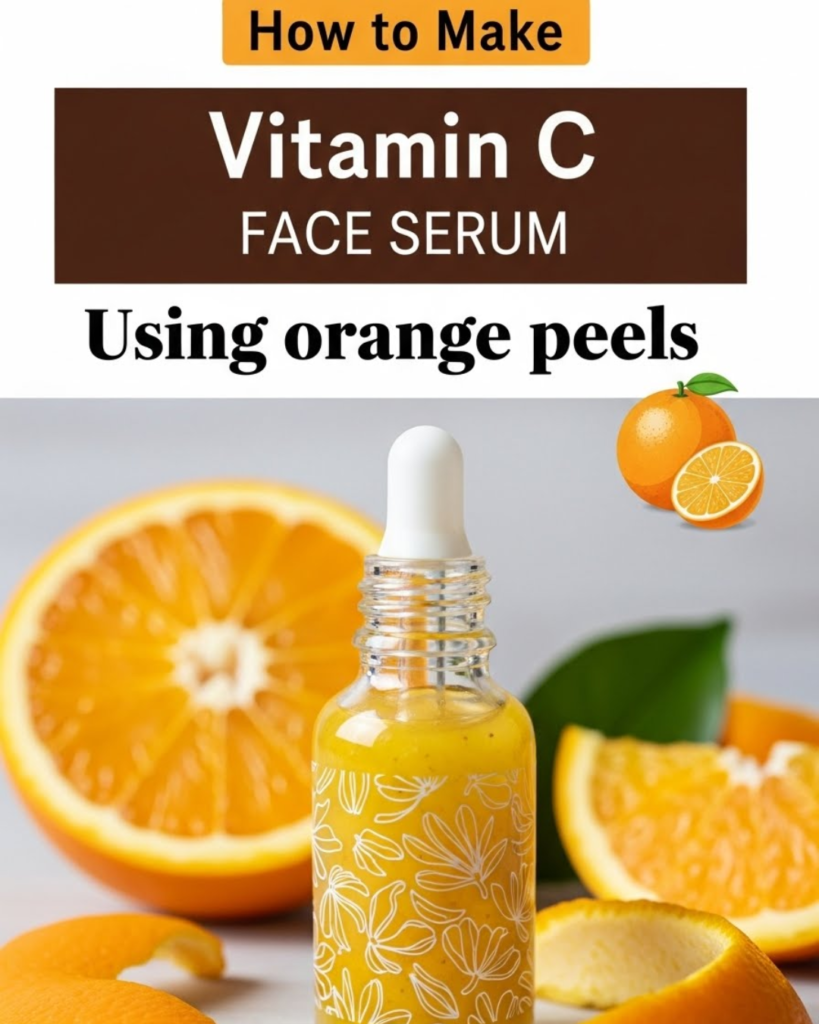
Transforming discarded orange peels into a potent vitamin C face serum represents both elegant biochemistry and accessible skincare innovation. This process harnesses the concentrated ascorbic acid and bioflavonoids residing in citrus rinds—compounds that skin research consistently demonstrates improve collagen synthesis, reduce oxidative damage, and enhance dermal luminosity through multiple cellular pathways.
The methodology combines traditional botanical extraction techniques with contemporary understanding of dermatological active ingredients, creating a topical formulation that delivers measurable skin benefits while exemplifying sustainable beauty practices.
Understanding the Biochemistry of Orange Peel Compounds
Orange peels contain significantly higher concentrations of bioactive compounds compared to the fruit’s flesh, making them ideal candidates for dermatological applications when properly extracted and formulated.
Phytochemical Composition and Skin Benefits
The outer zest of citrus fruits concentrates multiple classes of beneficial molecules. Ascorbic acid (vitamin C) exists in substantial quantities—studies indicate orange peels contain approximately 136 mg of vitamin C per 100 grams, surpassing the pulp’s concentration by significant margins. This water-soluble antioxidant functions as a crucial cofactor in collagen biosynthesis, specifically hydroxylating proline and lysine residues necessary for stable triple helix formation.
Beyond ascorbic acid, orange peels harbor impressive concentrations of hesperidin and naringenin—flavonoid glycosides demonstrating anti-inflammatory properties through NF-κB pathway modulation. Research published in dermatological journals indicates these compounds reduce cytokine-mediated inflammation and protect against UV-induced cellular damage through antioxidant mechanisms.
The essential oils present in orange zest—primarily d-limonene—provide additional antimicrobial properties while imparting characteristic citrus aromatics. However, these volatile compounds also present photosensitivity concerns requiring careful formulation consideration.
Extraction Science: Liberating Active Compounds
Creating an effective serum requires understanding extraction principles that maximize beneficial compound transfer while minimizing potential irritants. Vitamin C’s water solubility necessitates aqueous-based extraction methods, though its notorious instability demands specific pH and storage conditions.
The challenge lies in creating extraction conditions that liberate vitamin C and flavonoids from cellular matrices without degrading these sensitive molecules. Temperature, duration, and solvent selection critically influence final serum potency and stability.
Materials and Preparation: A Scientific Approach
Successful serum creation begins with careful material selection and preparation, transforming kitchen ingredients into pharmaceutical-grade skincare through methodical technique.
Essential Components and Their Functions
Organic orange peels serve as your primary active ingredient source. Select organic specimens to avoid pesticide residues that concentrate in fruit skins—conventional citrus fruits often carry surface treatments incompatible with dermatological applications. Use 2-3 medium oranges, focusing exclusively on the outer colored zest while minimizing white pith inclusion, which contributes bitterness without proportional beneficial compounds.
Distilled or purified water functions as your extraction solvent and serum base. Tap water’s mineral content and potential microbial contamination make it unsuitable for cosmetic formulation. You’ll need approximately one cup for the extraction phase.
Vegetable glycerin serves multiple roles: it acts as a humectant drawing moisture into skin, functions as a natural preservative through water activity reduction, and helps stabilize vitamin C against oxidative degradation. Pharmaceutical-grade glycerin ensures purity appropriate for facial application.
Vitamin E oil (tocopherol) provides additional antioxidant protection, working synergistically with vitamin C through the “vitamin E recycling” mechanism where ascorbic acid regenerates oxidized tocopherol. This combination extends serum shelf life while enhancing skin benefits.
Equipment Requirements
Gather glass containers exclusively—vitamin C reacts with many metals, accelerating degradation. A small saucepan, fine mesh strainer or cheesecloth, glass measuring cups, and amber or cobalt glass dropper bottles for final storage prove essential. The colored glass protects light-sensitive vitamin C from photodegradation.
A digital kitchen scale enables precise measurements, though volume measurements work adequately for this relatively forgiving formulation.
The Extraction and Formulation Process
This methodology unfolds in distinct phases, each contributing to final serum efficacy and stability through careful control of chemical and physical parameters.
Phase One: Peel Preparation and Initial Extraction
Begin by thoroughly washing your organic oranges under cool running water, even though you’ll discard the fruit itself. Using a sharp vegetable peeler or paring knife, remove only the colored outer zest in thin strips, leaving behind the white pith layer. The pith contributes minimal beneficial compounds while adding bitter flavonoids that can irritate sensitive skin.
Finely chop or tear the zest into small pieces—this increases surface area, enhancing extraction efficiency through improved solvent access to cellular contents. Place the prepared peels in your glass saucepan with one cup of distilled water.
Heat the mixture gently over low-medium heat, maintaining a bare simmer—approximately 80-85°C (176-185°F). This temperature range optimizes compound extraction while minimizing thermal degradation of heat-sensitive vitamin C. Research indicates prolonged exposure above 90°C significantly reduces ascorbic acid content through oxidative mechanisms.
Simmer for 20-30 minutes, observing as the water gradually assumes a golden-amber hue indicating successful compound transfer. The liquid should reduce by approximately one-third through evaporation, concentrating the extracted phytochemicals.
Phase Two: Filtration and Concentration
Remove the saucepan from heat and allow cooling to room temperature—this prevents thermal damage to beneficial compounds during subsequent handling. Strain the liquid thoroughly through cheesecloth or fine mesh, pressing the softened peels gently to extract maximum liquid while leaving behind fibrous plant material.
The resulting extract contains your active vitamin C and flavonoids, though in relatively dilute concentrations. If desired, return the strained liquid to the saucepan and simmer gently for an additional 10-15 minutes to further concentrate—though recognize that extended heating increases vitamin C degradation risk. Balance concentration against stability based on your priorities.
You should obtain approximately 1/3 to 1/2 cup of concentrated orange peel extract—a golden liquid with characteristic citrus aroma and slightly viscous texture from dissolved pectin and other polysaccharides.
Phase Three: Serum Formulation and Stabilization
Once your extract cools completely, begin final formulation. Combine the following proportions in a clean glass container:
- 2 tablespoons concentrated orange peel extract
- 1 tablespoon vegetable glycerin
- 1/2 teaspoon vitamin E oil
These ratios create a serum with approximately 15-20% active extract concentration—comparable to commercial vitamin C serums while maintaining appropriate viscosity for application. The glycerin provides humectant properties and preservative effects, while vitamin E oil contributes antioxidant synergy.
Stir gently but thoroughly, ensuring complete integration of the oil-based vitamin E into the aqueous extract. The glycerin functions as an emulsifying bridge, facilitating this combination.
Transfer your completed serum to an amber or cobalt glass dropper bottle, filling it completely to minimize air space—oxygen exposure accelerates vitamin C oxidation, reducing serum potency over time.
Advanced Formulation Considerations
Elevating your basic serum involves understanding optional additions and modifications that address specific skin concerns while maintaining stability.
pH Optimization for Enhanced Efficacy
Vitamin C demonstrates maximum skin penetration and activity at pH 3.5 or below—its acidic form (ascorbic acid rather than ascorbate salts) more readily crosses the stratum corneum lipid barrier. However, this acidity can irritate sensitive skin, necessitating balance between efficacy and tolerability.
Your orange peel extract naturally possesses moderately acidic pH, typically around 4.0-4.5. For enhanced potency, consider adding 2-3 drops of lemon juice to lower pH closer to the optimal 3.5 range. Test on your inner forearm first—some individuals find this increased acidity uncomfortable despite enhanced effectiveness.
pH testing strips (available at pharmacies or aquarium supply stores) enable precise monitoring if you wish to optimize this parameter scientifically.
Synergistic Botanical Additions
Certain complementary extracts enhance your serum’s skin benefits through additive or synergistic mechanisms. Green tea extract contributes additional antioxidants (particularly EGCG) that work alongside vitamin C in photoprotection. Aloe vera gel adds soothing polysaccharides beneficial for irritated or sensitive skin.
Hyaluronic acid—though requiring purchase rather than home extraction—provides exceptional humectant properties, binding up to 1000 times its weight in water. Adding 1/4 teaspoon of hyaluronic acid powder to your formulation creates a serum with enhanced hydration benefits, though it increases viscosity substantially.
Preservation and Shelf Life Extension
Your glycerin content provides some preservation through water activity reduction, but refrigerated storage proves essential for maximizing serum longevity. Cold temperatures slow both microbial growth and vitamin C oxidation—expect refrigerated serum to maintain potency for 2-3 weeks.
Some formulators add natural preservatives like grapefruit seed extract or optiphen (a paraben-free preservative) to extend shelf life further. However, these additions introduce ingredients requiring purchase and careful measurement, moving beyond the purely DIY approach.
Monitor your serum’s color—progressive darkening from golden-yellow toward brown indicates vitamin C oxidation. Once significant browning occurs, the serum has lost substantial potency and should be discarded.
Application Methodology and Treatment Protocol
Proper application maximizes the biochemical benefits your carefully crafted serum offers while minimizing potential adverse reactions.
Optimal Application Timing and Technique
Apply your vitamin C serum to freshly cleansed skin, ideally in the morning before sunscreen application. Vitamin C’s photoprotective properties complement broad-spectrum sunscreens, providing additional defense against UV-induced free radical formation.
Dispense 3-4 drops onto fingertips and gently press into facial skin using patting motions rather than rubbing—this technique enhances absorption while minimizing mechanical irritation. Focus on areas prone to hyperpigmentation, fine lines, or sun damage where vitamin C demonstrates particular efficacy.
Allow 2-3 minutes for complete absorption before applying subsequent skincare layers. This pause ensures optimal penetration without interference from occlusive moisturizers or sunscreens.
Frequency and Tolerance Building
Begin with once-daily application, monitoring your skin’s response over the first week. The serum’s natural acidity may cause transient tingling—normal for vitamin C products. However, persistent burning, redness, or irritation indicates intolerance requiring either reduced frequency or discontinuation.
If well-tolerated, consider twice-daily application (morning and evening) after the first week for enhanced results. Research suggests vitamin C’s benefits demonstrate dose-dependent responses—more frequent application within tolerance limits typically yields superior outcomes.
Combining with Complementary Skincare
Your vitamin C serum integrates well with most skincare routines, though certain combinations require caution. Avoid simultaneous application with products containing benzoyl peroxide, which oxidizes and inactivates vitamin C. Similarly, space vitamin C application away from retinoids initially—both possess skin-renewing properties that may prove cumulatively irritating for sensitive individuals.
Niacinamide (vitamin B3) traditionally was considered incompatible with vitamin C due to theoretical conversion to nicotinic acid under acidic conditions. However, modern research largely debunks this concern—contemporary formulations successfully combine these ingredients. Nonetheless, if experiencing irritation with combined use, separate applications by several hours.
Troubleshooting Common Formulation Challenges
Even carefully prepared serums sometimes present unexpected issues requiring problem-solving approaches.
Addressing Insufficient Potency or Effect
If your serum fails to produce noticeable brightening or texture improvements after 4-6 weeks of consistent use, several factors warrant examination. Insufficient vitamin C concentration represents the most likely culprit—consider using additional orange peels in your next batch or reducing water volume during extraction to increase active compound density.
Alternatively, excessive vitamin C degradation between preparation and use may reduce efficacy. Review storage conditions—ensure refrigeration and minimal light exposure. Prepare smaller batches more frequently rather than attempting to extend single-batch usage beyond the 2-3 week optimal window.
Managing Excessive Irritation or Sensitivity
Persistent discomfort despite proper application technique suggests formulation acidity exceeds your skin’s tolerance threshold. Dilute your current serum with additional distilled water (50:50 ratio) to reduce active compound concentration and acidity. This modification decreases potency but enables continued use while building tolerance.
Some individuals demonstrate true citrus sensitivity—the d-limonene and other essential oils in orange peel can trigger allergic responses in susceptible persons. If dilution fails to resolve irritation, discontinue use. Consider alternative vitamin C sources like rose hip seed powder extracts, which provide ascorbic acid without citrus-specific compounds.
Resolving Formulation Stability Issues
Rapid color change or unusual odor development indicates contamination or excessive oxidation. Ensure all equipment undergoes thorough cleaning and drying before use—residual soap or water introduces contaminants encouraging microbial growth. Consider adding vitamin E oil earlier in the formulation process if rapid oxidation proves problematic, as its antioxidant properties protect vitamin C throughout preparation.
Separation between glycerin and aqueous phases sometimes occurs—simply shake the bottle vigorously before each use to re-homogenize. If separation proves excessive, slightly warming the glycerin before combining with the aqueous extract improves initial emulsification.
Scientific Evidence and Realistic Expectations
Understanding the research foundation underlying vitamin C skincare helps establish appropriate outcome expectations while appreciating this serum’s genuine benefits.
Documented Dermatological Effects
Clinical trials consistently demonstrate topical vitamin C’s efficacy across multiple skin parameters. A meta-analysis published in dermatology journals indicates that 10-20% vitamin C formulations applied consistently for 12 weeks produce measurable improvements in hyperpigmentation, fine lines, and skin texture through documented increases in dermal collagen density.
Your homemade serum likely contains 5-15% vitamin C equivalent—somewhat lower than pharmaceutical preparations but within the therapeutic range demonstrating clinical benefits. The natural bioflavonoids present in orange peel extract may actually enhance efficacy through synergistic antioxidant mechanisms not present in synthetic ascorbic acid alone.
Timeline for Visible Results
Cellular turnover cycles determine when vitamin C benefits become perceptible. Expect subtle improvements in skin brightness and radiance within 2-3 weeks as surface cells reflecting light more uniformly replace damaged predecessors. Deeper improvements in pigmentation and fine lines require longer durations—typically 8-12 weeks of consistent application as vitamin C stimulates new collagen synthesis in dermal layers.
Patience proves essential. Unlike aggressive exfoliants producing immediate but superficial effects, vitamin C works through fundamental cellular mechanisms requiring time to manifest visible transformation.
Conclusion
Creating vitamin C face serum from orange peels exemplifies the intersection of traditional botanical wisdom and contemporary biochemical understanding. This accessible methodology transforms waste products into effective skincare through simple extraction chemistry, delivering documented dermatological benefits while embodying sustainable beauty principles.
The process requires minimal specialized equipment, utilizes ingredients likely already present in your home, and produces a serum comparable in many respects to commercial preparations costing significantly more. Beyond economic advantages, the hands-on creation fosters deeper understanding of skincare chemistry and ingredient functionality.
Begin with a single batch, observe your skin’s response, and refine your technique based on individual results. The empowerment of crafting your own evidence-based skincare represents value extending far beyond any single serum bottle.
Important Disclaimer: This article is for informational purposes only and should not replace professional dermatological advice. Individual skin responses vary significantly—perform patch testing before facial application. Discontinue use if irritation develops and consult healthcare providers for persistent skin concerns. Homemade skincare lacks the standardization and preservative systems of commercial products—use appropriate hygiene and storage practices.