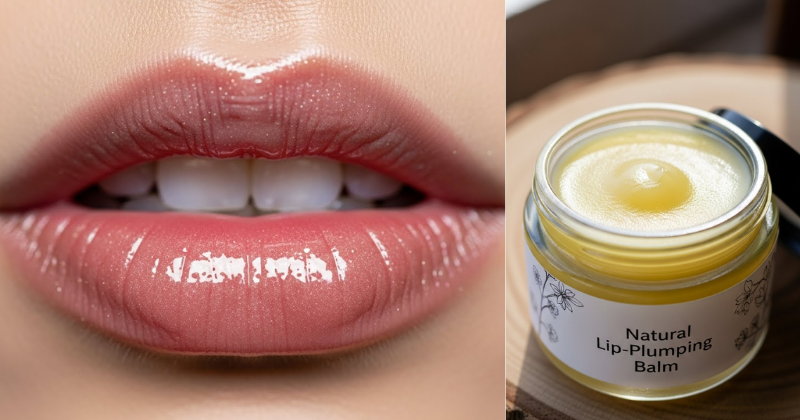
Creating a natural lip-plumping balm using beeswax and sweet almond oil represents an elegant convergence of traditional apothecary wisdom and contemporary understanding of dermal microcirculation enhancement. This formulation harnesses the occlusive properties of beeswax combined with the emollient characteristics of sweet almond oil, while strategic botanical additions stimulate temporary vasodilation—the physiological mechanism underlying the plumping effect observed in both natural and synthetic lip treatments.
The methodology delivers immediate hydration alongside subtle volumizing effects through biocompatible ingredients, offering a sophisticated alternative to commercial formulations containing synthetic irritants or undisclosed chemical complexes.
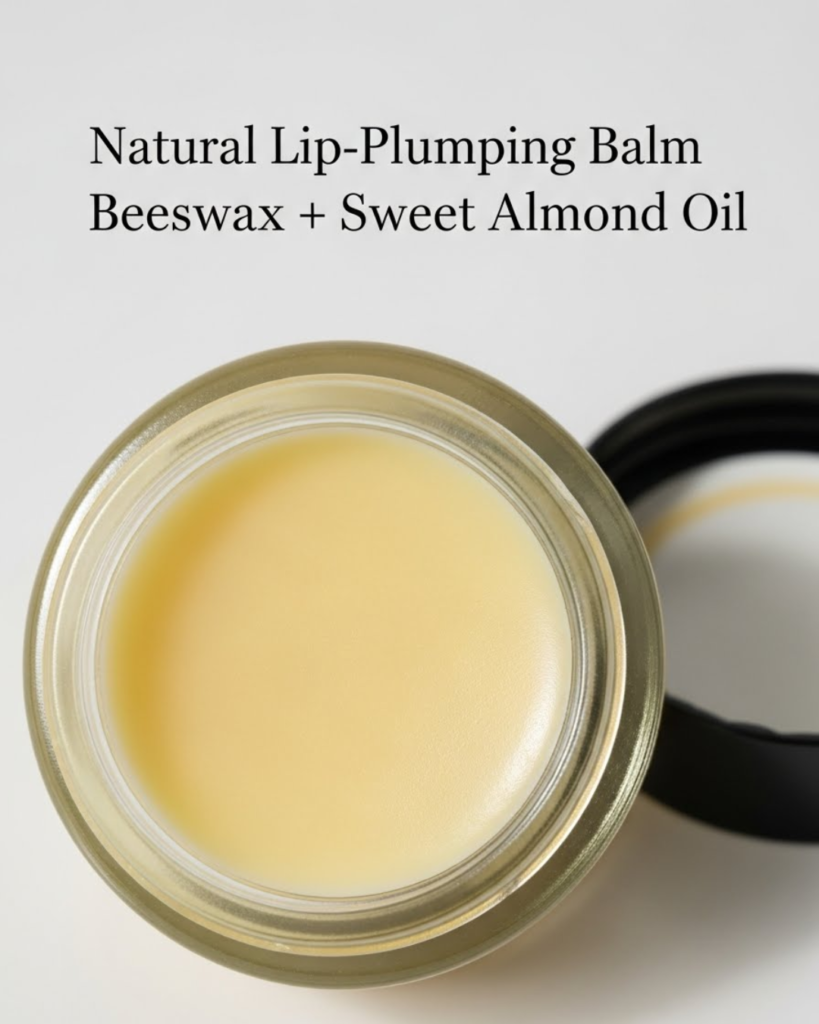
The Physiological Basis of Natural Lip Plumping
Understanding the biological mechanisms underlying lip volume enhancement enables strategic ingredient selection and realistic expectation establishment regarding achievable outcomes.
Microvascular Architecture of Labial Tissue
Lip tissue possesses distinctive anatomical characteristics that influence both its appearance and its response to topical formulations. The vermillion border—the visible red portion of lips—contains exceptionally high capillary density with minimal melanin production, creating the characteristic color through underlying blood vessel visibility. This vascular richness makes lips particularly responsive to circulation-enhancing compounds.
The stratum corneum (outermost skin layer) demonstrates significantly reduced thickness on lips compared to other facial areas, measuring approximately 3-5 cellular layers versus the typical 10-15 layers elsewhere. This anatomical distinction facilitates enhanced penetration of active botanical compounds while simultaneously increasing vulnerability to environmental stressors and transepidermal water loss.
Mechanism of Action: Vasodilation and Hydration Synergy
Natural lip-plumping formulations operate through two complementary mechanisms. First, specific botanical compounds—particularly those containing capsaicin analogs, menthol derivatives, or cinnamic compounds—trigger mild vasodilation through transient receptor potential (TRP) channel activation. This temporary blood vessel expansion increases local circulation, delivering enhanced oxygen and nutrient perfusion while creating subtle volumizing effects through increased tissue fluid content.
Second, occlusive and humectant ingredients create immediate cosmetic improvement through hydration optimization. Dehydrated lip tissue appears deflated with accentuated fine lines—proper moisture retention literally plumps cellular structures while smoothing surface texture, enhancing light reflection for fuller-appearing lips.
Research indicates these combined approaches produce measurable increases in lip volume ranging from 5-15% when assessed via three-dimensional imaging techniques, with effects persisting 2-4 hours depending on formulation specificity and individual physiological responsiveness.
Essential Ingredients and Their Biochemical Functions
Strategic component selection determines both immediate sensory experience and sustained therapeutic outcomes, requiring understanding of each ingredient’s specific contributions.
Beeswax: The Structural Foundation
Beeswax serves as the formulation’s architectural element, providing structure, texture, and protective barrier function. Chemically, beeswax consists of complex mixtures of long-chain fatty acid esters (approximately 70-75%), hydrocarbons (12-15%), and free fatty acids (12-14%), creating unique rheological properties ideal for lip balm applications.
The melting point of beeswax—approximately 62-64°C (144-147°F)—ensures solid consistency at ambient temperatures while facilitating smooth application through body heat-induced softening. Its occlusive nature reduces transepidermal water loss by 5-10%, supporting sustained hydration without complete pore occlusion that could compromise normal skin respiration.
Yellow beeswax retains natural propolis and pollen components contributing subtle antimicrobial properties and vitamin content, while white beeswax undergoes purification processes removing these elements for those preferring absolute ingredient minimalism or possessing bee product sensitivities.
Sweet Almond Oil: Emollient Excellence
Prunus amygdalus dulcis (sweet almond) oil provides the formulation’s lipid phase, delivering both immediate emolliency and sustained nutritive benefits. Its fatty acid profile—predominantly oleic acid (60-80%) with significant linoleic acid content (20-30%)—closely resembles human sebum composition, facilitating excellent biocompatibility and epidermal integration.
The oil’s vitamin E content (approximately 25-30 mg per 100g) contributes antioxidant protection against oxidative stress from environmental exposure, while trace mineral content supports cellular repair mechanisms. Unlike some carrier oils demonstrating comedogenic potential, sweet almond oil maintains relatively low pore-clogging tendency (rating 2 on the 0-5 comedogenicity scale), making it appropriate even for acne-prone individuals.
Research examining almond oil’s dermatological effects indicates significant improvements in skin barrier function, with studies demonstrating enhanced stratum corneum integrity and reduced transepidermal water loss following consistent application over 2-4 week periods.
Plumping Agents: Strategic Botanical Selections
The volumizing effect requires careful incorporation of circulation-enhancing botanicals. Cinnamon essential oil contains cinnamaldehyde—a compound demonstrating vasodilatory effects through direct action on vascular smooth muscle and indirect effects via sensory neuron activation. However, cinnamon’s potency demands judicious usage; excessive concentrations trigger significant irritation rather than pleasant tingling.
Peppermint essential oil provides menthol and menthone, compounds activating TRPM8 cold receptors while simultaneously producing mild vasodilation through counterintuitive mechanisms. The cooling sensation often correlates with increased blood flow as the body attempts to maintain thermal homeostasis.
Cayenne pepper extract or capsicum oleoresin offers capsaicin—perhaps the most effective natural plumping agent available. At appropriate dilutions (0.01-0.025%), capsaicin produces noticeable tingling accompanied by measureable lip volume increases through robust vasodilation without crossing into painful territory.
Formulation Protocol: Methodical Creation Process
This precise methodology ensures consistent results while maintaining ingredient integrity throughout the preparation sequence.
Phase One: Equipment Preparation and Material Assembly
Assemble your materials in a clean workspace, prioritizing glass containers throughout—certain essential oils react with plastics, potentially leaching unwanted compounds into your formulation. You’ll require a small heat-safe glass bowl or measuring cup, a slightly larger pot for double-boiler configuration, a stirring implement (glass rod or stainless steel spoon), and final storage containers—preferably small glass jars or tubes with tight-fitting lids.
Gather your base ingredients in the following proportions for a 30-gram (approximately 1-ounce) batch:
- 6 grams beeswax pellets or grated beeswax
- 20 grams sweet almond oil
- 3 grams shea butter (optional but recommended for enhanced texture)
- 8-10 drops essential oil for plumping effect (cinnamon, peppermint, or combination)
- 2-3 drops vitamin E oil for preservation
These ratios create a balm with appropriate firmness for tube or tin storage while maintaining smooth application characteristics. The 1:3 beeswax-to-oil ratio represents the foundational proportion, modifiable based on climate conditions or personal texture preferences.
Phase Two: Thermal Processing and Component Integration
Create a double-boiler system by filling your larger pot with 2-3 inches of water and bringing it to gentle simmer. Place your glass measuring container inside, ensuring water level remains below the container’s rim—direct heat exposure risks degrading heat-sensitive components.
Add beeswax and shea butter (if using) to the glass container, allowing gentle heat to initiate melting. Beeswax requires approximately 5-7 minutes to achieve complete liquefaction at double-boiler temperatures. Stir occasionally to promote uniform heating and assess melting progress.
Once beeswax reaches complete liquid state, add sweet almond oil. The temperature differential between solid wax and room-temperature oil creates brief turbidity as thermal equilibrium establishes—this cloudiness dissipates within 30-60 seconds as components achieve homogeneous mixture.
Maintain heating for an additional 2-3 minutes, ensuring complete integration while monitoring temperature. Optimal processing temperature ranges between 65-70°C (149-158°F)—sufficient for ingredient combination without approaching temperatures that might degrade beneficial compounds.
Phase Three: Active Ingredient Incorporation and Final Processing
Remove your container from heat and allow cooling for approximately 60-90 seconds—this brief period reduces temperature to levels safe for essential oil addition. Essential oils contain volatile aromatic compounds that evaporate or degrade at elevated temperatures; adding them at 55-60°C preserves maximum potency while ensuring thorough distribution.
Add your selected essential oils drop by drop, stirring continuously to distribute evenly throughout the formulation. For plumping effects, consider these evidence-based combinations:
Moderate Plumping Blend: 5 drops peppermint oil + 3 drops cinnamon oil Intense Plumping Blend: 4 drops cinnamon oil + 3 drops cayenne extract + 2 drops peppermint oil Gentle Plumping Blend: 6 drops peppermint oil + 2 drops ginger essential oil
Add vitamin E oil as final component, stirring thoroughly to ensure even distribution. Vitamin E serves dual functions—extending shelf life through antioxidant activity while providing additional skin-conditioning benefits.
Phase Four: Setting and Storage Protocol
Pour your completed formulation into final containers immediately after ingredient integration—the mixture begins solidifying as temperature drops, creating pouring difficulties if delayed. Fill containers to within 2-3 millimeters of the rim, leaving minimal air space that could facilitate oxidation over storage duration.
Leave containers uncapped for 20-30 minutes, allowing surface-level cooling and initial solidification. Once surface appears solid, cap containers but avoid moving them for an additional 2-3 hours—premature disturbance can create uneven texture or surface irregularities as the formulation completes its solidification process.
Full structural stability develops over 12-24 hours as the beeswax crystallizes completely. During this maturation period, store containers at room temperature away from direct sunlight or heat sources. After initial setting, transfer to cool, dark storage—a bathroom cabinet or bedroom drawer provides ideal conditions.
Customization Strategies and Formula Modifications
The base formulation accepts numerous modifications, enabling personalization based on specific preferences, sensitivities, or desired outcomes.
Adjusting Texture and Consistency
Climate conditions and personal preference influence optimal texture. For firmer balms suitable for warmer environments or tube packaging, increase beeswax proportion to 1:2.5 or even 1:2 beeswax-to-oil ratio. This modification creates more solid consistency preventing melting in elevated temperatures.
Conversely, if your balm seems excessively firm or difficult to apply smoothly, reduce beeswax content or incorporate additional liquid oils. Jojoba oil makes an excellent supplementary carrier, offering oxidative stability superior to many alternatives while contributing additional skin-nourishing compounds.
For luxuriously soft, almost gloss-like consistency, reduce beeswax to 4 grams per batch while increasing liquid oils correspondingly. This modification creates formulations requiring jar rather than tube storage but offers exceptional spreadability and immediate gloss effects.
Color and Aesthetic Enhancement
Natural colorants enable aesthetic customization without synthetic dyes. Beetroot powder contributes pink-to-berry tones when incorporated at 0.5-1% concentration—add to melted oils before pouring, stirring thoroughly to prevent clumping. Cocoa powder creates subtle brown tints with accompanying chocolate aroma, while turmeric delivers golden-peachy hues suitable for natural-looking tints.
For shimmer without synthetic micas, consider food-grade pearl dust or cosmetic-grade mineral shimmer in gold, rose gold, or bronze tones. Add sparingly (0.25-0.5% of total formula weight) during final stirring phase, ensuring even distribution throughout the formulation.
Therapeutic Additions for Enhanced Benefits
Calendula oil (replacing 25-50% of sweet almond oil) contributes additional soothing properties beneficial for chapped or irritated lips. Its anti-inflammatory triterpene compounds support healing while maintaining excellent emolliency.
Sea buckthorn oil—used at 5-10% substitution for sweet almond oil—delivers impressive vitamin content, particularly vitamin C and carotenoids contributing natural orange coloration alongside cellular regeneration support. Its distinctive aroma requires consideration, though most find it pleasantly fruity.
Rosehip seed oil offers another therapeutic alternative, providing fatty acids and vitamins supporting cellular repair and regeneration. Its anti-aging properties make it particularly appealing for mature skin or those concerned with perioral fine lines.
Application Methodology and Optimization Strategies
Proper application technique maximizes both immediate effects and long-term lip health benefits your formulation provides.
Optimal Application Protocol
Apply your lip-plumping balm to clean, gently exfoliated lips for maximum effect. Gentle exfoliation—using a soft toothbrush or sugar scrub—removes dead surface cells that could impede product penetration while immediately improving texture and light reflection.
The plumping sensation typically manifests within 2-5 minutes of application as circulation-enhancing compounds penetrate tissue and trigger vasodilation. Effects intensify over the first 10-15 minutes before stabilizing at maximum volumizing impact, persisting 2-4 hours depending on formulation strength and individual physiological response.
For enhanced results, apply a slightly thicker layer than you might with standard lip balm, ensuring adequate circulation-enhancing compound delivery. Some individuals appreciate brief lip massage following application—gentle circular motions further stimulate microcirculation while promoting even product distribution.
Frequency and Long-Term Lip Care Integration
Your natural lip-plumping balm integrates seamlessly into comprehensive lip care routines. Apply 3-4 times daily as needed—the natural formulation lacks concerning ingredients requiring usage limitation, unlike synthetic alternatives containing potentially irritating chemicals demanding restricted application frequency.
For overnight treatment, apply a generous layer before bed. The prolonged contact time enables maximum hydration while beeswax’s occlusive properties prevent moisture loss during sleep—a period when lips particularly benefit from intensive treatment due to reduced environmental exposure and optimized cellular repair processes.
Consider pairing your lip-plumping balm with complementary lip care practices: adequate hydration (lips reflect systemic hydration status), broad-spectrum sun protection (UV exposure significantly ages delicate lip tissue), and gentle exfoliation (promoting cellular turnover and product penetration).
Troubleshooting Common Formulation Challenges
Even carefully prepared formulations occasionally present unexpected characteristics requiring problem-solving approaches.
Addressing Texture Irregularities
Grainy texture in solidified balm typically indicates incomplete beeswax melting or too-rapid cooling causing uneven crystallization. Prevention requires ensuring complete wax liquefaction before oil addition and avoiding cold surfaces during pouring and setting phases.
If graininess develops, simply remelt the entire batch using your double-boiler setup, stir thoroughly at fully melted state, then pour into containers and allow slower cooling at room temperature. This second processing typically resolves crystallization irregularities.
Excessively soft formulation that won’t solidify properly suggests either insufficient beeswax content or contamination with water—even minute water quantities prevent proper setting. Verify your beeswax-to-oil ratio and ensure all equipment maintains complete dryness. If necessary, remelt and add additional beeswax (1-2 grams at a time) until achieving desired consistency.
Managing Sensitivity or Excessive Tingling
Plumping formulations by nature produce tingling sensations—this constitutes their primary mechanism of action. However, persistent discomfort or burning indicates excessive essential oil concentration for your individual sensitivity threshold.
Reduce plumping agent content by 25-50% in subsequent batches, or eliminate cinnamon and cayenne entirely if you possess particular sensitivity to these potent compounds. Peppermint alone provides gentle plumping effects better tolerated by sensitive individuals while still delivering noticeable volumizing benefits.
If irritation develops during use, discontinue application and cleanse lips gently with mild soap and water. The vasodilatory effect typically resolves within 30-60 minutes as circulation-enhancing compounds metabolize. Cool compresses can accelerate symptom resolution if discomfort proves significant.
Stability and Shelf Life Optimization
Properly formulated balms demonstrate impressive stability, typically maintaining quality for 12-18 months when stored appropriately. Degradation signs include rancid odor (indicating oil oxidation), color changes, or texture alterations.
Extend shelf life through several strategies: incorporate additional vitamin E oil (antioxidant preservation), store in opaque containers minimizing light exposure, maintain cool storage conditions, and consider adding rosemary oleoresin extract—a natural preservative demonstrating excellent oxidation prevention.
If essential oil aroma seems diminished over time, this represents normal volatile compound evaporation rather than quality degradation. The base formulation remains effective for moisturization and protection even as aromatic intensity decreases, though plumping effects may diminish as circulation-enhancing compounds volatilize.
Scientific Context and Evidence-Based Expectations
Understanding the research foundation underlying natural lip-plumping formulations establishes appropriate outcome expectations while appreciating genuine benefits.
Documented Efficacy of Natural Plumping Agents
Peer-reviewed dermatological literature examining topical capsaicin, menthol, and cinnamic compounds consistently demonstrates measurable vasodilatory effects and subsequent tissue volumization. Studies utilizing three-dimensional lip imaging technology document volume increases of 5-12% following application of formulations containing these compounds at concentrations comparable to your recipe.
These effects demonstrate temporal limitations—the volumizing impact persists 2-4 hours as vasodilation gradually resolves and excess tissue fluid redistributes. This temporary nature distinguishes natural plumping from injectable fillers producing sustained structural changes through hyaluronic acid deposition or collagen stimulation.
However, consistent long-term use may provide cumulative benefits beyond immediate plumping. Improved hydration status, enhanced barrier function, and optimized cellular nutrition through increased circulation contribute to overall lip health, potentially improving baseline lip appearance independent of acute plumping effects.
Comparative Analysis: Natural vs. Synthetic Formulations
Commercial lip-plumpers frequently incorporate synthetic irritants—compounds deliberately inducing inflammatory responses to create swelling and redness interpreted as volumization. While effective for immediate dramatic effects, these approaches risk cumulative irritation and potential sensitization through repeated exposure.
Your natural formulation operates through gentler mechanisms—vasodilation rather than inflammation, hydration rather than swelling. The effects appear subtler but demonstrate superior biocompatibility and sustainability for regular long-term use without adverse consequences.
Additionally, natural formulations offer transparency—you control every component and understand precisely what contacts your lips. This eliminates concerns about undisclosed ingredients, synthetic fragrances, or questionable preservative systems common in commercial products.
Conclusion
Creating natural lip-plumping balm using beeswax and sweet almond oil represents accessible yet sophisticated cosmetology, combining time-honored ingredients with evidence-based formulation principles. The methodology delivers genuine volumizing effects through strategic circulation enhancement while providing exceptional moisturization and protection—outcomes rivaling commercial alternatives without synthetic additives or undisclosed chemical complexes.
The formulation process requires minimal specialized equipment and utilizes readily available ingredients, making it achievable for anyone interested in conscious cosmetic creation. Beyond immediate practical benefits, the hands-on preparation fosters deeper understanding of ingredient functionality and dermatological principles underlying effective lip care.
Begin with the base formula, observe your individual response, and refine according to personal preferences and sensitivity thresholds. The empowerment inherent in crafting your own evidence-based lip treatment extends far beyond any single balm batch—it represents meaningful engagement with the chemistry and biology of sustainable self-care.