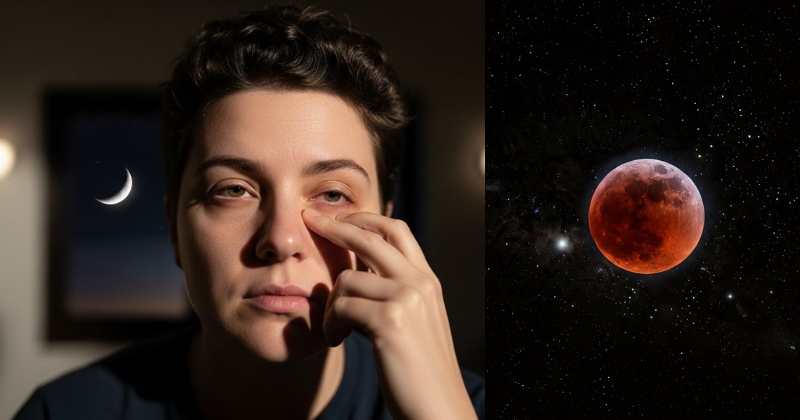
Many people report feeling unusually tired, emotional, or out of sync during a lunar eclipse. This article explores what a lunar eclipse does to the human body, why fatigue is common, and how to support yourself during these cosmic events.
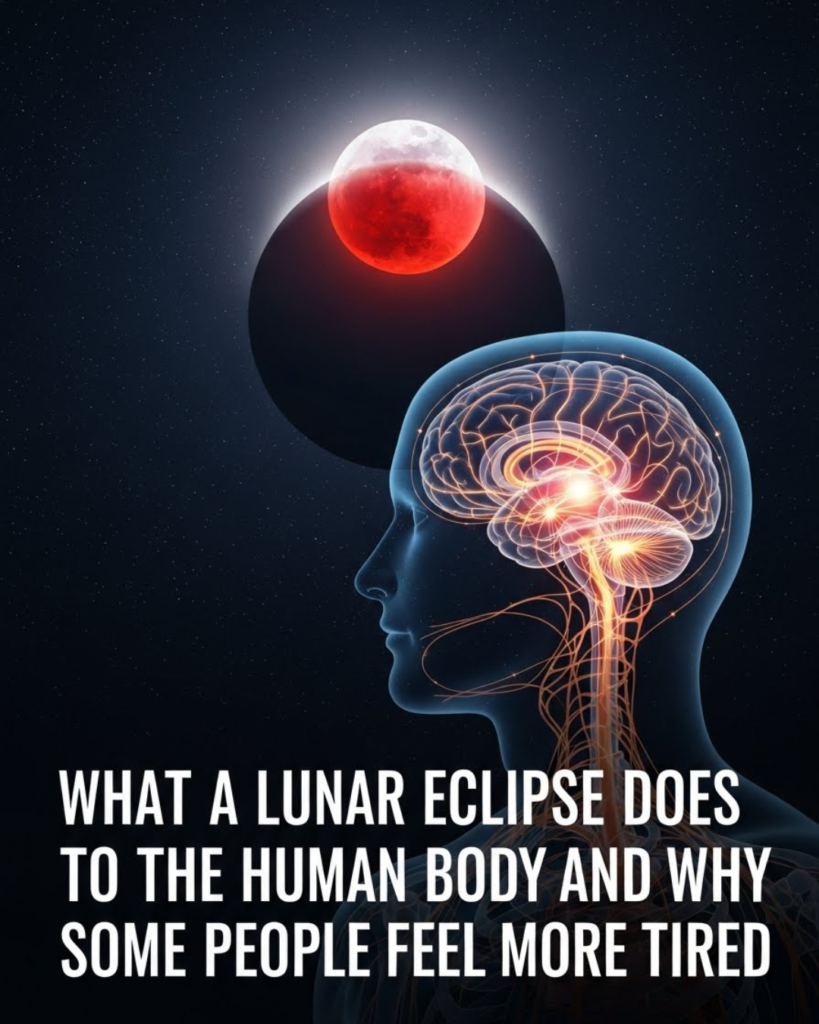
Why Lunar Eclipses Affect People More Than We Expect
A lunar eclipse occurs when the Earth moves between the Sun and the Moon, casting a shadow over the Moon. While this event is astronomical, its effects often feel deeply personal. Across cultures and generations, people have linked lunar events to changes in sleep, mood, and energy levels.
Modern life has distanced us from natural cycles, yet your body still responds to light, darkness, and rhythm. During a lunar eclipse, subtle shifts in light exposure and circadian signaling can influence how your body feels and functions.
This doesn’t mean a lunar eclipse causes illness or harm. Instead, it may act as a temporary stressor, amplifying sensations you already experience—especially fatigue.
How the Moon Influences the Human Body
The Moon has long been associated with biological rhythms, especially those tied to sleep and water balance.
The Moon and Circadian Rhythm
Your circadian rhythm is your internal clock. It regulates:
- Sleep and wake cycles
- Hormone release
- Body temperature
- Energy levels
Moonlight, particularly during a full moon or eclipse, can slightly disrupt melatonin production—the hormone responsible for sleep quality.
Light Exposure and Hormones
During a lunar eclipse:
- Light levels change unexpectedly at night
- Melatonin release may be delayed
- Cortisol (stress hormone) may fluctuate
These changes can lead to:
- Lighter sleep
- Difficulty falling asleep
- Morning fatigue
Why Some People Feel More Tired During a Lunar Eclipse
Fatigue during a lunar eclipse is one of the most commonly reported effects. This happens for several interconnected reasons.
Sleep Disruption
Even minor disturbances in sleep quality can lead to:
- Daytime drowsiness
- Brain fog
- Low motivation
People sensitive to light changes may experience restless sleep without realizing why.
Emotional Processing and Mental Load
Lunar eclipses are often described as periods of emotional release. From a psychological perspective, heightened awareness and subconscious processing can drain mental energy, leading to physical tiredness.
Heightened Nervous System Activity
For some individuals, the nervous system becomes more alert during unusual environmental changes. This can feel like:
- Inner restlessness
- Difficulty relaxing
- Feeling “wired but tired”
Who Is Most Likely to Feel Lunar Eclipse Effects
Not everyone notices changes during a lunar eclipse. Those more likely to feel it include:
Highly Sensitive Individuals
People who are sensitive to:
- Light
- Noise
- Emotional shifts
often notice lunar changes more clearly.
People With Sleep Disorders
If you already struggle with:
- Insomnia
- Irregular sleep schedules
- Shift work
a lunar eclipse may intensify fatigue.
Older Adults
Sleep architecture changes with age, making seniors more prone to sleep disruption and next-day tiredness.
Common Physical and Emotional Symptoms
During or shortly after a lunar eclipse, some people report:
- Fatigue or low energy
- Headaches
- Muscle heaviness
- Mood swings
- Heightened anxiety
- Difficulty concentrating
These symptoms are usually temporary and resolve within a day or two.
What Science Says vs. What People Experience
Scientific Perspective
Research on lunar effects is mixed. Some studies suggest:
- Slight sleep disturbances during full moons
- Reduced deep sleep phases
- Increased time to fall asleep
Other studies find minimal measurable effects.
The Human Experience Matters
Even if effects are subtle, perception plays a role. If your body senses change, your experience is valid—even if it’s not dramatic or universal.
How to Support Your Body During a Lunar Eclipse
Instead of fighting the fatigue, work with your body.
Prioritize Rest
- Go to bed earlier if possible
- Avoid late-night screen exposure
- Dim lights in the evening
Hydrate Well
Water supports circulation and nervous system balance, especially during periods of physical sensitivity.
Eat Grounding Foods
Warm, nourishing meals help stabilize energy:
- Soups
- Whole grains
- Root vegetables
Gentle Movement
Choose calming activities like:
- Stretching
- Walking
- Light yoga
Avoid intense workouts if your energy feels low.
Mental and Emotional Self-Care Tips
Slow Down Expectations
This isn’t the time to push productivity. Allow yourself to move at a gentler pace.
Journaling or Reflection
Writing down thoughts can reduce mental clutter and emotional fatigue.
Breathing Exercises
Deep breathing helps calm the nervous system and improve sleep quality.
Can Lunar Eclipses Affect Long-Term Health?
No evidence suggests lunar eclipses cause lasting harm. Effects are:
- Short-term
- Mild
- Highly individual
If fatigue persists beyond a few days, it’s more likely linked to sleep habits, stress, nutrition, or underlying health conditions.
How Long Do Lunar Eclipse Effects Last?
For most people:
- Effects last 24–72 hours
- Energy returns naturally
- Sleep normalizes quickly
Listening to your body during this window makes recovery smoother.
Related Topics You May Want to Explore
- How the full moon affects sleep
- Natural ways to reset circadian rhythm
- Why seasonal changes affect energy levels
- Stress and nervous system regulation
- Herbal teas for better sleep
(These are excellent internal linking opportunities.)
Conclusion
A lunar eclipse doesn’t control your body—but it may gently influence how you feel. Fatigue during these events is often tied to sleep disruption, hormonal shifts, and emotional processing rather than anything harmful. By resting, hydrating, and slowing down, you can support your body through the change and come out feeling balanced again.
You don’t need to fear lunar eclipses. Instead, see them as reminders to pause, tune in, and care for yourself.
Important Disclaimer: This article is for informational purposes only and should not replace professional advice. For health-related topics, consult healthcare providers. Individual results may vary, and personal circumstances should always be considered when implementing any suggestions.