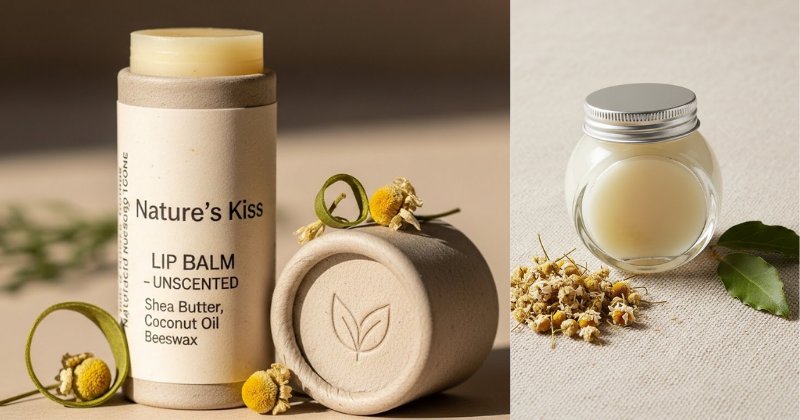
Creating your own natural lip balm represents more than a simple cosmetic endeavor—it’s an exploration of botanical chemistry, sustainable self-care, and the intersection between traditional knowledge and modern wellness practices. This comprehensive guide will transform your understanding of lip care while equipping you with the scientific knowledge and practical skills to formulate effective, personalized balms using natural ingredients.
The commercial lip care industry generates billions annually, yet many products contain synthetic compounds, petroleum derivatives, and preservatives that may compromise skin barrier function. By mastering DIY natural lip balm formulation, you’ll gain autonomy over ingredient selection, cost efficiency, and the satisfaction of applying evidence-based dermatological science in your own kitchen.
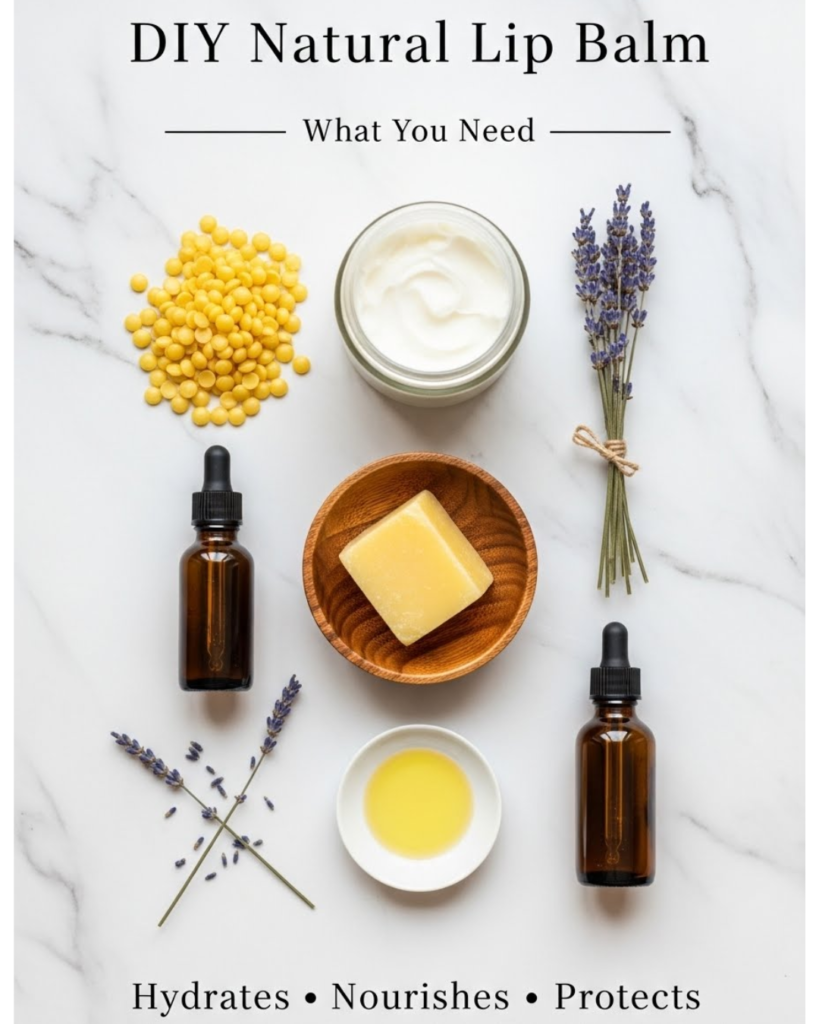
The Science Behind Effective Lip Balm Formulation
Understanding lip anatomy and chemistry forms the foundation for creating truly effective natural balms. The lips possess unique physiological characteristics that distinguish them from other skin surfaces—they lack sebaceous glands, contain minimal melanin protection, and feature exceptionally thin stratum corneum layers, making them particularly vulnerable to environmental stressors and transepidermal water loss.
Dermatological Requirements for Optimal Lip Protection
Effective lip balm formulations must address three primary dermatological needs: occlusion to prevent moisture evaporation, humectant properties to attract water molecules, and emollient characteristics to soften and smooth the delicate labial tissue. Natural ingredients can fulfill these requirements through their inherent molecular structures and bioactive compounds.
The occlusive barrier—created by waxy substances—forms a protective film that reduces transepidermal water loss by approximately 90-98%, according to dermatological studies. This barrier function proves essential in maintaining lip hydration, particularly during winter months when relative humidity drops and environmental conditions accelerate moisture depletion.
Natural Ingredient Categories and Their Functional Properties
Base Waxes: Beeswax (cera alba) contains long-chain fatty acids and hydroxy fatty acids that create excellent film-forming properties. Its melting point ranges between 62-64°C, providing ideal consistency at body temperature. Alternative vegan options include candelilla wax (Euphorbia antisyphilitica) and carnauba wax (Copernicia prunifera), though these require different proportions due to varying hardness coefficients.
Carrier Oils: These liquid lipids provide emollient properties and deliver fat-soluble nutrients. Coconut oil (Cocos nucifera) contains medium-chain triglycerides with antimicrobial lauric acid. Sweet almond oil (Prunus dulcis) offers high oleic acid content for superior skin penetration. Jojoba oil (Simmondsia chinensis) technically represents a liquid wax ester that closely mimics human sebum composition.
Butter Components: Shea butter (Vitellaria paradoxa) and cocoa butter (Theobroma cacao) contain complex mixtures of triglycerides, phytosterols, and vitamins that enhance healing properties while contributing to formulation stability.
Essential Materials and Equipment for Lip Balm Production
Successful DIY natural lip balm creation requires modest investment in equipment and ingredients, yet demands attention to proper measurement techniques and sanitation protocols to ensure product safety and efficacy.
Required Equipment and Tools
Your formulation laboratory requires: a double boiler or heat-safe glass container for gentle heating, digital kitchen scale accurate to 0.1 grams for precise measurements, heat-resistant stirring utensils (preferably glass or stainless steel), small containers for finished product (typically 15ml capacity), and pipettes for essential oil addition.
Temperature control proves critical—overheating natural oils can degrade beneficial compounds and alter fatty acid profiles. Maintain water bath temperatures below 75°C to preserve ingredient integrity while ensuring complete melting and homogenization.
Core Ingredients and Their Selection Criteria
Primary Base Formula Ratio: The foundational formula follows approximate proportions: 1 part wax (beeswax or alternatives), 1 part butter (shea or cocoa), and 2 parts liquid oil. This ratio provides balanced consistency—soft enough for comfortable application yet firm enough to maintain structure in varied temperature conditions.
Quality Considerations: Source organic, unrefined ingredients when possible. Refined versions often undergo chemical processing that removes beneficial compounds. Cold-pressed oils retain higher concentrations of vitamins, antioxidants, and essential fatty acids compared to heat-extracted alternatives.
Optional Enhancement Ingredients: Vitamin E oil (tocopherol) functions as both antioxidant preservative and skin-conditioning agent. Natural essential oils provide therapeutic aromatherapy benefits—peppermint oil (Mentha piperita) offers cooling sensation, lavender oil (Lavandula angustifolia) provides calming properties, and citrus oils contribute antimicrobial effects.
Step-by-Step Formulation Process
Creating your natural lip balm follows precise methodology that ensures proper emulsification, appropriate consistency, and microbiological safety. This systematic approach transforms raw ingredients into professional-quality lip care products.
Phase 1: Preparation and Measurement (15 minutes)
Begin by sanitizing all equipment with 70% isopropyl alcohol or boiling water to minimize microbial contamination. Measure ingredients using weight rather than volume—precision matters in small-batch formulations where gram-level variations significantly impact final consistency.
Basic formulation quantities for approximately 10 lip balm tubes: 20g beeswax, 20g shea butter, 40g coconut oil (or combination of preferred carrier oils). This yields roughly 80ml of finished product.
Phase 2: Controlled Heating and Melting (10-12 minutes)
Create double boiler setup by placing heat-safe container above—not touching—simmering water. Add beeswax first as it requires highest temperature for complete melting. Once wax liquefies, incorporate butter components, stirring gently to promote uniform heating. Finally, add liquid oils and continue heating until mixture achieves complete homogeneity.
Monitor temperature carefully—excessive heat degrades beneficial compounds. Visual assessment proves useful: mixture should appear completely clear with no visible solid particles when properly melted.
Phase 3: Enhancement and Customization (3-5 minutes)
Remove formulation from heat source and allow slight cooling—approximately 60°C—before adding heat-sensitive ingredients. This prevents essential oil evaporation and vitamin degradation. Add 800 IU (approximately 0.5ml) vitamin E oil as antioxidant preservative. Incorporate 10-15 drops total essential oils per 80ml batch, adjusting based on desired scent intensity and therapeutic goals.
Phase 4: Pouring and Solidification (20-30 minutes)
Work efficiently as mixture begins solidifying around 50°C. Pour carefully into containers, filling to approximately 90% capacity to allow for minor shrinkage during cooling. Avoid disturbing containers during initial cooling phase—movement can create uneven surfaces or air bubbles. Allow complete solidification at room temperature for optimal molecular alignment and consistency.
Advanced Formulation Techniques and Variations
Once you’ve mastered basic lip balm creation, numerous advanced techniques allow formulation customization for specific needs, seasonal variations, and enhanced therapeutic properties. These modifications demonstrate the remarkable versatility of natural ingredient chemistry.
Climate-Adapted Formulations
Winter Formula Enhancement: Increase beeswax proportion to 1.2 parts (24g in base recipe) to create firmer consistency that resists melting in heated indoor environments while providing enhanced protection against cold, dry air. Incorporate calendula oil (Calendula officinalis) for its documented wound-healing and anti-inflammatory properties—particularly beneficial for chapped, damaged lips.
Summer Lightweight Version: Reduce wax content to 0.8 parts (16g) and increase liquid oil proportion for easier spreading in warm conditions. Consider substituting portion of coconut oil with lighter oils like grapeseed (Vitis vinifera) or apricot kernel (Prunus armeniaca) that feel less heavy in humid weather.
Therapeutic Specialty Formulations
Overnight Healing Treatment: Create intensive repair formula by incorporating 10% lanolin (wool wax) for exceptional moisturizing properties, adding rosehip seed oil (Rosa canina) rich in vitamin A and essential fatty acids, and including honey—a natural humectant with antimicrobial properties. This formulation provides sustained overnight moisture delivery for severely damaged lips.
Sun Protection Enhancement: While natural lip balm cannot replace proper SPF-rated sun protection, certain ingredients offer modest UV-absorbing properties. Non-nano zinc oxide (5-10% concentration) provides physical sun blocking, while red raspberry seed oil contains natural SPF properties estimated at 25-50 according to preliminary research. Carrot seed oil (Daucus carota) contributes additional UV protection through carotenoid content.
Color and Aesthetic Customization
Natural pigments allow creation of tinted balms without synthetic dyes. Beetroot powder provides pink-red tones, mica minerals add subtle shimmer, and cocoa powder creates natural brown hues. Add pigments during melting phase, testing small amounts first—natural colorants often appear more intense when melted than in final solidified form.
Troubleshooting Common Formulation Challenges
Even experienced formulators encounter occasional difficulties. Understanding the chemistry behind common problems enables effective solutions and builds formulation confidence.
Consistency Issues: Too Soft or Too Hard
Problem: Balm remains excessively soft or semi-liquid at room temperature.
Analysis: Insufficient wax content relative to liquid oils, or formulation stored in unusually warm environment. Wax provides structural matrix; inadequate proportions cannot create solid network.
Solution: Remelt entire batch, adding additional 5-10% beeswax (approximately 2-4g in base recipe). Alternatively, substitute portion of liquid carrier oil with harder butter like cocoa butter.
Problem: Balm feels too hard, difficult to apply, or causes dragging sensation.
Analysis: Excessive wax proportion or insufficient emollient oils. May also result from using particularly hard waxes like candelilla without adjusting ratios.
Solution: Remelt and incorporate additional 10-15% liquid carrier oil. Consider adding small amount (5-10%) of particularly soft, spreading oils like jojoba or argan oil.
Surface Defects and Appearance Problems
Crystallization patterns, sometimes called “frosting,” occasionally appear on balm surface. This results from specific cooling rates causing certain fatty acid components to crystallize visibly. While cosmetically imperfect, this doesn’t affect product efficacy or safety. Prevent by ensuring gradual, undisturbed cooling. If appearance bothers you, gently warm surface with hairdryer on low setting to remelt and smooth.
Graininess indicates incomplete melting during formulation or separation during cooling. Remelt entire batch, ensuring all ingredients reach complete liquefaction before combining, and maintain gentle stirring during cooling phase.
Storage, Shelf Life, and Safety Considerations
Understanding preservation and storage requirements ensures your natural lip balm remains effective, safe, and pleasant to use throughout its lifespan.
Antimicrobial Preservation Strategies
Unlike water-containing cosmetics, anhydrous (water-free) lip balms demonstrate inherently better microbiological stability. However, oxidation remains concern—oils eventually turn rancid through exposure to oxygen, light, and heat. Vitamin E functions as natural antioxidant preservative, significantly extending shelf life by interrupting free radical chain reactions.
Expected shelf life varies by ingredient selection: formulations containing only saturated fats (coconut oil, cocoa butter) remain stable for approximately 12-18 months. Those with polyunsaturated oils (hemp seed, rosehip) should be used within 6-8 months due to higher oxidation susceptibility.
Proper Storage Protocols
Store finished lip balms in cool, dark locations—ideally below 25°C. Avoid bathroom storage where temperature fluctuations and humidity accelerate degradation. Dark glass or opaque containers provide superior protection compared to clear plastics that allow light penetration.
Conduct regular sensory evaluation: rancid oils develop characteristic unpleasant odor and off-taste. Discard any products showing signs of oxidation regardless of chronological age.
Important Disclaimer: This article is for informational purposes only and should not replace professional advice. For health-related topics, consult healthcare providers. Individual results may vary, and personal circumstances should always be considered when implementing any suggestions. Perform patch testing before using new ingredients, particularly if you have known sensitivities or allergies.
Maximizing Your Natural Lip Care Journey
Creating DIY natural lip balm opens pathways to broader natural cosmetic formulation, connects you with traditional botanical knowledge, and provides sustainable alternative to commercial products containing questionable ingredients.
Expanding Your Formulation Repertoire
Once comfortable with basic lip balm, consider exploring related natural cosmetic projects: body butters utilize similar ingredient categories with adjusted ratios, healing salves address specific skin conditions through targeted botanical selection, and solid perfumes demonstrate how natural waxes can carry aromatic compounds. Each project builds formulation confidence while expanding your understanding of ingredient interactions and cosmetic chemistry.
Documentation and Experimentation
Maintain detailed formulation records—ingredient sources, exact proportions, cooling conditions, and performance observations. This scientific approach allows recipe refinement and troubleshooting. Photograph your products at various stages to document appearance changes over time and identify optimal pouring temperatures.
Consider variable testing: create small batches with single ingredient modifications to understand how each component influences final properties. This methodical experimentation develops formulation intuition that transcends following recipes.
Environmental and Economic Benefits
The average person uses approximately 3-4 lip balm tubes annually. At typical retail prices, this represents $15-30 yearly expenditure. DIY production costs approximately $2-3 per tube—an 80-90% cost reduction. Beyond financial savings, creating your own lip care eliminates packaging waste, reduces transportation emissions, and supports sustainable agriculture when choosing organic, ethically-sourced ingredients.
Conclusion: The Science and Art of Natural Lip Care
Creating DIY natural lip balm represents convergence of chemistry, tradition, and personal wellness. You’ve now gained comprehensive understanding of lip physiology, ingredient functionality, formulation methodology, and problem-solving techniques necessary for producing professional-quality natural lip care products.
The knowledge you’ve acquired extends beyond simple recipe following—you understand why specific ingredients work, how molecular structures create protective barriers, and how environmental factors influence formulation choices. This foundation enables confident experimentation, intelligent ingredient substitution, and continuous improvement of your personal formulations.
Begin with the basic formula presented here, then allow your growing expertise to guide creative exploration. Each batch you create strengthens your understanding of natural cosmetic science while providing tangible, useful products that nurture your skin without synthetic compromise.
Your lips—and the environment—will thank you for embracing this evidence-based, sustainable approach to natural beauty care. Transform your relationship with personal care products by becoming formulator rather than simply consumer.