
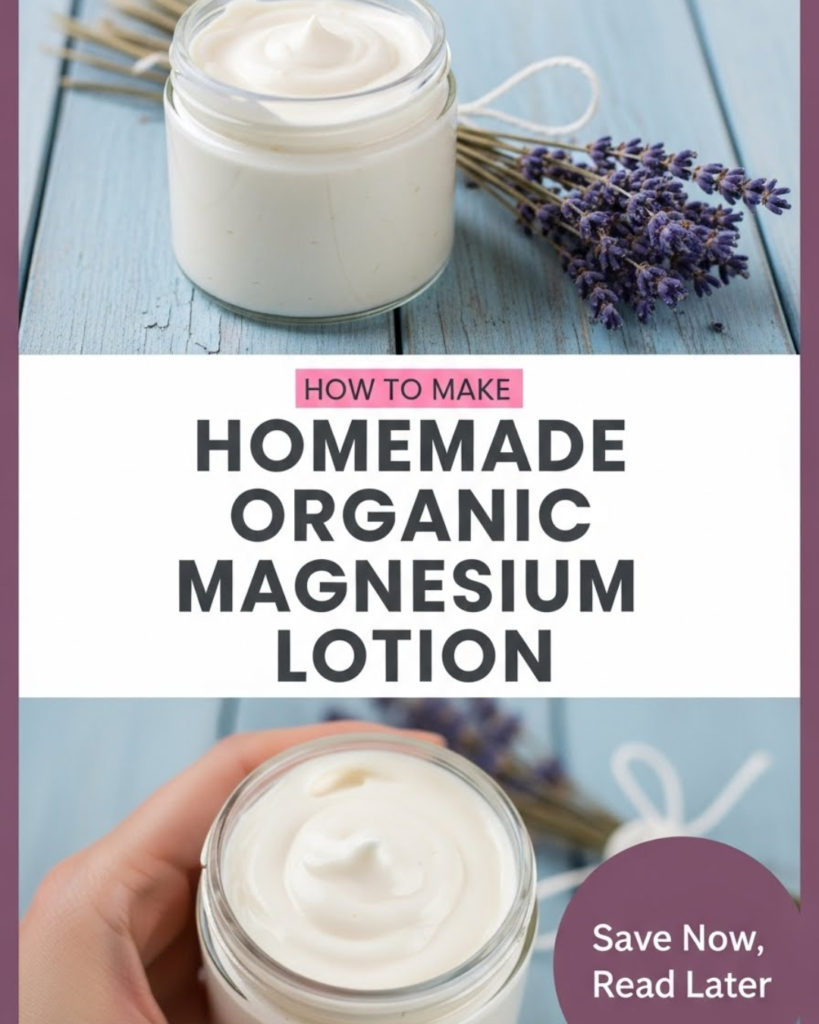
Transdermal magnesium administration represents a compelling alternative delivery system for individuals seeking to optimize magnesium status through topical application. Creating homemade organic magnesium lotion combines practical DIY skills with biochemical understanding, yielding a customizable therapeutic preparation that bypasses gastrointestinal limitations while providing targeted mineral supplementation. This comprehensive guide explores the scientific foundations, precise formulation protocols, and evidence-based application strategies for crafting effective magnesium-enriched topical preparations.
The Scientific Rationale: Understanding Transdermal Magnesium Delivery
Magnesium, the fourth most abundant cation in human physiology, participates in over 300 enzymatic reactions spanning energy metabolism, protein synthesis, neuromuscular function, and cardiovascular regulation. Despite this critical physiological importance, magnesium deficiency affects an estimated 50-60% of Western populations due to dietary inadequacies, soil depletion, and increased metabolic demands.
Oral magnesium supplementation presents several challenges including gastrointestinal side effects (particularly osmotic diarrhea), variable absorption rates influenced by gastric pH and competing minerals, and first-pass hepatic metabolism. Transdermal delivery theoretically circumvents these limitations by facilitating direct percutaneous absorption into local tissues and systemic circulation.
Mechanisms of Percutaneous Magnesium Absorption
The stratum corneum—the outermost epidermal layer comprising corneocytes embedded in lipid lamellae—represents the primary barrier to topical substance penetration. Magnesium ions, being hydrophilic and charged, demonstrate limited passive diffusion through this lipophilic barrier under standard conditions.
However, several factors enhance transdermal magnesium penetration. Occlusive formulations increase stratum corneum hydration, temporarily disrupting lipid organization and facilitating ion passage. Appropriate carrier systems incorporating emollients and penetration enhancers create favorable conditions for mineral absorption. Additionally, application to areas with thinner stratum corneum (inner wrists, abdomen) or compromised barrier function may enhance uptake.
Research examining transdermal magnesium absorption demonstrates mixed results. While some studies detect increased serum magnesium following topical application, others show minimal systemic absorption. Regional tissue concentration increases appear more consistent than systemic bioavailability changes, suggesting local rather than systemic therapeutic effects may predominate.
Essential Ingredients and Their Functional Roles
Successful magnesium lotion formulation requires understanding each component’s contribution to stability, texture, absorption, and therapeutic efficacy. Quality ingredient selection directly influences final product performance.
Magnesium Chloride: The Active Mineral Component
Magnesium chloride hexahydrate (MgCl₂·6H₂O) serves as the preferred magnesium source for topical preparations due to superior solubility compared to magnesium sulfate, carbonate, or oxide forms. This hexahydrate structure contains approximately 12% elemental magnesium by weight.
Pharmaceutical-grade or food-grade magnesium chloride ensures purity free from industrial contaminants. Natural sources including “magnesium oil” (supersaturated magnesium chloride solutions derived from ancient seabed deposits) provide suitable alternatives, though concentration verification proves advisable.
The term “magnesium oil” represents a misnomer—these preparations contain no lipids but rather concentrated aqueous magnesium chloride solutions exhibiting oil-like viscosity due to high mineral density.
Organic Carrier Oils and Butters
Lipophilic carriers facilitate emulsion formation while providing skin-conditioning benefits through fatty acid delivery and barrier function support. Organic certification ensures absence of pesticide residues and synthetic additives.
Shea butter (Vitellaria paradoxa) offers rich texture and skin-protective triterpenes with anti-inflammatory properties. Its melting point near body temperature ensures comfortable application texture. Cocoa butter provides similar properties with slightly firmer consistency and characteristic chocolate aroma.
Coconut oil (Cocos nucifera) contributes medium-chain triglycerides demonstrating antimicrobial properties through lauric acid content. However, its comedogenic potential may prove problematic for acne-prone individuals.
Sweet almond oil (Prunus amygdalus) and jojoba oil (Simmondsia chinensis) offer lighter textures suitable for facial applications or individuals preferring non-greasy formulations.
Emulsifying Agents: Creating Stable Oil-Water Dispersions
Magnesium lotion represents an oil-in-water emulsion where lipophilic and aqueous phases coexist through emulsifier-stabilized droplet dispersion. Without appropriate emulsification, these immiscible phases rapidly separate.
Emulsifying wax NF (National Formulary grade) comprises cetearyl alcohol and polysorbate-60, creating stable emulsions through reduction of interfacial tension between oil and water phases. This ingredient remains the most reliable choice for home formulation.
Beeswax, while natural and appealing, functions primarily as a thickener rather than true emulsifier. Formulations relying solely on beeswax demonstrate inferior stability and may separate during storage.
BTMS (behentrimonium methosulfate) offers conditioning properties alongside emulsification, particularly suited for leave-on body products.
Preservative Systems and Antimicrobial Protection
Water-containing formulations require preservation to prevent microbial contamination compromising safety and stability. Organic formulations face particular challenges as many conventional preservatives are excluded.
Leucidal Liquid SF (derived from Lactobacillus ferment) represents a natural broad-spectrum preservative effective against bacteria and some fungi. Optiphen Plus (phenoxyethanol with additional antimicrobials) provides broader protection while maintaining acceptable natural credentials for some formulation philosophies.
Vitamin E oil (tocopherol) functions as an antioxidant protecting oils from rancidity but demonstrates minimal antimicrobial activity insufficient for preservation.
Step-by-Step Formulation Protocol
Creating professional-quality magnesium lotion requires precise measurement, appropriate equipment, and systematic execution. This protocol yields approximately 8 ounces of finished product.
Required Equipment and Materials
Assemble the following before beginning: digital scale accurate to 0.1 grams, double boiler or heat-safe glass bowl over saucepan, thermometer reading 0-100°C, stick blender or handheld mixer, sterilized glass jars or pump bottles for storage, and disinfected utensils.
Ingredient quantities for base formulation include 60 grams magnesium chloride flakes, 100 ml distilled water, 30 grams organic shea butter, 20 grams organic coconut oil, 15 grams emulsifying wax NF, 10 grams sweet almond oil, 5 grams vegetable glycerin, 3 grams preservative (Leucidal Liquid or equivalent), and 10 drops lavender essential oil (optional, for fragrance and additional therapeutic properties).
Phase 1: Preparing the Magnesium Solution
Combine magnesium chloride flakes with distilled water in a heat-safe container, stirring until completely dissolved. This creates a supersaturated solution containing approximately 37-40% magnesium chloride by weight—significantly higher concentration than commercial magnesium oils.
Heat this solution gently to 70-75°C (158-167°F) using the double boiler method. This temperature ensures complete dissolution while preparing for emulsion formation. Maintain this temperature while preparing the oil phase.
Phase 2: Creating the Oil Phase
In a separate heat-safe container, combine shea butter, coconut oil, emulsifying wax, and sweet almond oil. Heat using the double boiler method to 70-75°C, stirring occasionally until all solid components melt completely and the mixture appears homogeneous.
Temperature matching between aqueous and oil phases proves critical for successful emulsification. Verify both phases reach 70-75°C before combining to ensure optimal emulsifier performance and prevent premature solidification.
Phase 3: Emulsion Formation
Remove both phases from heat. While mixing the oil phase continuously with a stick blender on low speed, slowly drizzle the hot magnesium solution into the oil mixture in a thin, steady stream. This gradual addition with constant agitation creates initial emulsion droplets.
Continue blending for 2-3 minutes, periodically scraping down container sides to ensure thorough incorporation. The mixture transforms from translucent liquid to opaque cream as emulsion forms. During this process, temperature gradually decreases as energy dissipates.
As the mixture cools to approximately 40-45°C (104-113°F), add vegetable glycerin and preservative, blending thoroughly. Glycerin functions as a humectant, attracting moisture to skin while improving texture. Add essential oils at this stage if desired—volatile compounds degrade at higher temperatures.
Phase 4: Cooling and Maturation
Continue occasional stirring as the lotion cools to room temperature. The consistency thickens progressively during this cooling phase as lipid components solidify and emulsion structure stabilizes.
Transfer the finished lotion to sterilized containers before complete solidification. Pump bottles offer convenient dispensing, while jars provide traditional presentation. Label containers with formulation date and ingredients.
Allow the lotion to mature for 24 hours before initial use. During this period, emulsion structure fully stabilizes and any remaining air bubbles from blending dissipate.
Advanced Formulation Variations and Customizations
Once basic technique mastery occurs, experimental modifications allow personalization addressing specific needs or preferences.
Adjusting Magnesium Concentration
The base formulation provides moderate magnesium concentration suitable for general use. Increase magnesium chloride to 80-90 grams for higher-potency versions targeting specific therapeutic applications like muscle recovery or sleep support. However, excessive concentration may cause skin irritation or sticky residue.
Conversely, sensitive individuals may prefer reduced concentration (40-50 grams magnesium chloride) for daily full-body application without potential irritation.
Incorporating Therapeutic Botanicals
Enhance formulations through strategic botanical additions addressing complementary wellness goals. Arnica (Arnica montana) oil incorporation (replacing 5 grams sweet almond oil) provides anti-inflammatory properties beneficial for muscle soreness. Calendula (Calendula officinalis) infused oil offers skin-soothing properties ideal for sensitive or reactive skin.
Helichrysum (Helichrysum italicum) essential oil demonstrates circulatory stimulation and tissue repair properties synergizing with magnesium’s muscle-relaxing effects. Marjoram (Origanum majorana) and chamomile (Matricaria chamomilla) essential oils contribute additional relaxation-promoting aromatic compounds.
Texture Modifications
Adjust oil-to-butter ratios for desired consistency preferences. Increase shea butter proportion (up to 40 grams while reducing liquid oils) for richer, more protective cream suitable for extremely dry skin or cold weather use. Conversely, increase liquid oil content (up to 25 grams sweet almond or jojoba oil while reducing shea butter) for lighter, faster-absorbing lotions preferred during warm weather or for oilier skin types.
Adding 5-10 grams organic beeswax creates firmer consistency resembling solid lotion bars suitable for targeted application to specific areas.
Troubleshooting Common Formulation Challenges
Even experienced formulators occasionally encounter issues requiring diagnostic problem-solving and corrective interventions.
Emulsion Separation or Instability
If oil and water phases separate after cooling, emulsion formation failed due to insufficient emulsifier, inadequate blending, or temperature discrepancies between phases. Unfortunately, separated emulsions generally cannot be rescued—reformation requires starting fresh.
Prevention strategies include verifying emulsifying wax quantity meets minimum threshold (approximately 5-8% of total formulation weight), ensuring vigorous continuous blending during combination phase, and strictly matching phase temperatures before mixing.
Some separation may occur after extended storage (3-6 months) as emulsion gradually destabilizes. This represents normal degradation rather than formulation failure.
Grainy or Gritty Texture
Crystalline texture indicates inadequate magnesium chloride dissolution or lipid crystallization during cooling. Ensure complete magnesium chloride dissolution through thorough stirring and adequate heating before emulsification.
If grittiness develops during storage, it suggests lipid polymorphism—crystalline structure reorganization occurring in butters and some oils. Gently warming and re-blending sometimes resolves this, though texture may not achieve original smoothness.
Excessive Stickiness or Residue
Magnesium chloride inherently demonstrates hygroscopic properties, attracting moisture and creating slightly tacky sensation. Excessive stickiness suggests magnesium concentration exceeds skin tolerance or application quantity proves excessive.
Reduce per-application amount or dilute formulation concentration in future batches. Adding 5-10 grams additional light oil (sweet almond, grapeseed) may improve absorption characteristics without significantly diluting magnesium content.
Skin Irritation or Tingling
Mild tingling represents normal response to concentrated magnesium chloride, typically subsiding within minutes. However, persistent discomfort, burning, or visible irritation indicates excessive concentration or individual sensitivity.
Discontinue use on affected areas, rinse thoroughly with water, and reformulate with reduced magnesium concentration. Patch testing on small skin areas before extensive application identifies sensitivity issues before widespread exposure.
Application Protocols and Therapeutic Optimization
Effective transdermal magnesium supplementation requires strategic application methodology maximizing absorption while minimizing potential adverse effects.
Optimal Application Sites and Techniques
Target areas with thinner stratum corneum for enhanced absorption: inner forearms, inner thighs, abdomen, and chest demonstrate superior permeability compared to palms, soles, or upper back. Avoid application to broken skin, active wounds, or inflamed areas where mineral concentration may cause discomfort.
Apply 1-2 teaspoons per application, massaging thoroughly until fully absorbed. Initial tingling sensation typically resolves within 5-10 minutes. If persistent discomfort occurs, rinse area with water and reduce subsequent application quantities.
Timing and Frequency Considerations
Evening application before bedtime supports magnesium’s sleep-promoting properties through muscle relaxation and nervous system modulation. Alternatively, post-exercise application targets muscle recovery and cramping prevention.
Daily application represents standard protocol, though some individuals prefer twice-daily use for therapeutic intensity. Monitor individual response and adjust frequency accordingly—more frequent application doesn’t necessarily produce proportionally greater benefits.
Complementary Wellness Strategies
Transdermal magnesium demonstrates optimal efficacy when integrated within comprehensive wellness approaches. Adequate hydration supports all mineral transport and cellular function. Dietary magnesium intake from leafy greens, nuts, seeds, and whole grains provides foundational nutritional status.
Stress management practices including meditation, gentle exercise, and adequate sleep support magnesium retention—chronic stress increases urinary magnesium excretion, potentially creating relative deficiency despite adequate intake.
Storage, Stability, and Safety Considerations
Proper storage ensures product safety, stability, and efficacy throughout shelf life while minimizing contamination risks.
Optimal Storage Conditions
Store magnesium lotion in cool, dark locations away from direct sunlight and heat sources. While refrigeration extends shelf life by slowing microbial growth and oxidative degradation, cold storage may alter texture—allow refrigerated products to reach room temperature before application.
Properly formulated and preserved lotions maintain stability for 3-6 months when stored correctly. Visual inspection before each use identifies potential contamination—discard products showing discoloration, unusual odor, or visible mold growth regardless of chronological age.
Sterile Technique and Contamination Prevention
Always dispense lotion using clean, dry hands or sanitized spatulas. Introducing water or contaminants into containers accelerates microbial growth and product degradation. Pump bottles minimize contamination risk compared to jars requiring finger insertion.
Clean dispensing equipment regularly with isopropyl alcohol to maintain hygiene standards.
Conclusion: Empowered Topical Mineral Supplementation
Creating homemade organic magnesium lotion represents an accessible, economical approach to transdermal mineral supplementation combining scientific understanding with practical DIY skills. This formulation methodology yields customizable therapeutic preparations addressing individual needs while avoiding synthetic additives and commercial markup.
Begin with the foundational recipe, mastering basic emulsification technique and understanding ingredient interactions. As confidence develops, explore variations incorporating preferred botanicals, adjusting textures, or modifying magnesium concentrations for specific applications.
Your kitchen transforms into a personal formulation laboratory where biochemistry meets practical wellness innovation. Each batch represents not merely a cosmetic preparation but an intentional therapeutic intervention supporting magnesium status through evidence-informed topical delivery. The satisfaction of crafting effective personal care products from understood ingredients enriches the wellness journey with self-sufficiency and informed health autonomy.
Important Disclaimer: This article is for informational purposes only and should not replace professional advice. For health-related topics, consult healthcare providers. Individual results may vary, and personal circumstances should always be considered when implementing any suggestions. Individuals with skin conditions, magnesium metabolism disorders, or kidney dysfunction should consult healthcare providers before initiating transdermal magnesium supplementation.