
There’s a quiet wisdom in the amber liquid sitting beneath your kitchen sink, a remedy so humble that generations nearly forgot its power. My grandmother’s hands, weathered by decades of scrubbing and polishing, would reach not for the harsh chemical bottles but for a simple brown vessel that held the secret to surfaces so clean they seemed to breathe with renewed life. She understood what modern cleaning culture is only now rediscovering: that vinegar possesses a transformative magic bleach could never replicate.
This ancient elixir doesn’t merely clean—it resurrects, renews, and restores with a gentleness that honors both your home and your health. While bleach assaults with toxic fumes and corrosive strength, vinegar dances across surfaces with acidic precision, dissolving grime while leaving behind nothing but the faint whisper of its presence. The revelation isn’t just in its effectiveness, but in the profound simplicity of a solution that costs pennies and works wonders.
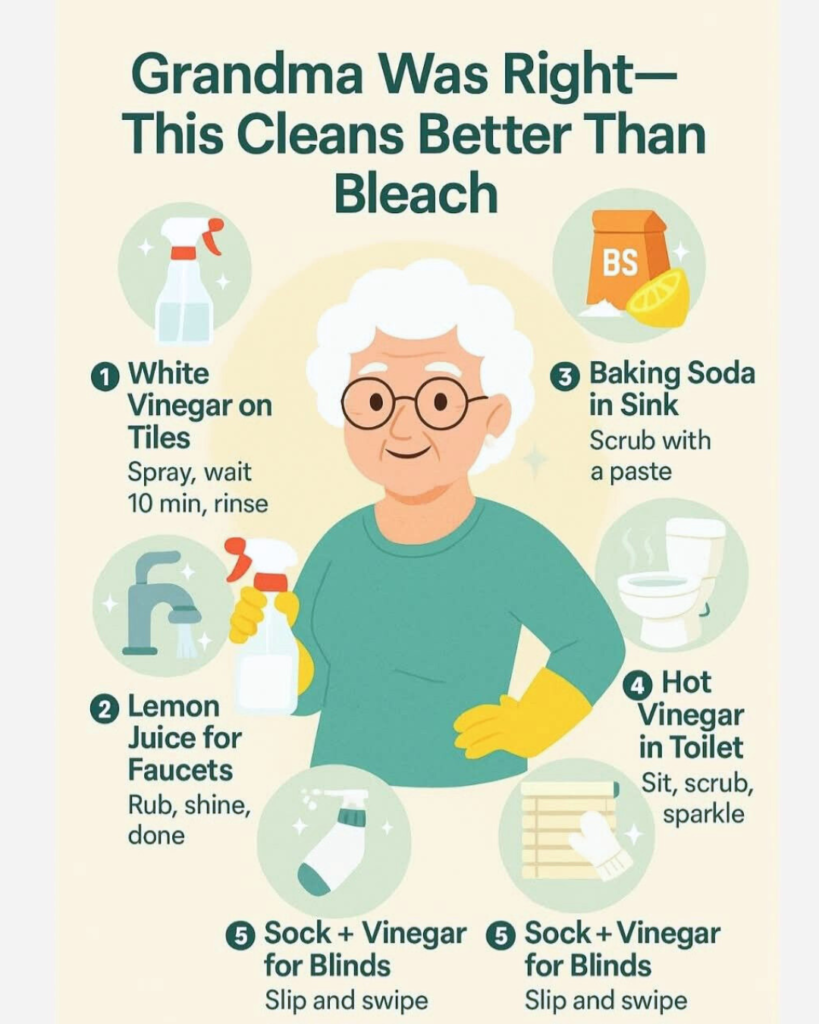
The Ancestral Chemistry: Understanding Vinegar’s Transformative Power
White distilled vinegar, typically containing five percent acetic acid, possesses a molecular structure that makes it devastatingly effective against the very substances that plague our homes. This isn’t folklore or wishful thinking—it’s pure chemistry rendered poetic through practical application.
The Science Behind the Magic
The acetic acid in vinegar breaks down mineral deposits, soap scum, and bacterial cell walls with remarkable efficiency. Unlike bleach, which kills through oxidation and leaves behind chlorine residues, vinegar’s acidic nature creates an inhospitable environment for bacteria and mold while simultaneously dissolving the organic and inorganic matter they cling to. This dual action means you’re not just masking problems—you’re eliminating them at their source.
Where Vinegar Outperforms Bleach
Bleach excels at whitening and disinfecting, but its applications are surprisingly limited. It cannot remove soap scum, hard water stains, or mineral buildup. It damages many surfaces, discolors fabrics, and creates toxic fumes when mixed with other cleaners. Vinegar, conversely, tackles the everyday grime that bleach simply cannot touch: the clouded shower doors, the limescale-crusted faucets, the dingy coffee maker interiors.
The Sacred Ritual: Preparing Your Vinegar Cleaning Arsenal
Creating your cleaning solutions is itself a meditative practice, a moment to slow down and craft something purposeful. I’ve found that this preparation transforms cleaning from a chore into an intentional act of caring for one’s space.
The Basic Foundation
For most cleaning tasks, undiluted white vinegar straight from the bottle works beautifully. Pour it into a spray bottle and you have the foundation of a cleaning routine that would make your grandmother proud. This simple solution handles kitchen counters, bathroom tiles, windows, and mirrors with equal grace.
Enhanced Formulations
For stubborn challenges, heat your vinegar until it’s warm but not boiling. The increased temperature amplifies its dissolving power, making it particularly effective against hardened soap scum and ancient mineral deposits. Add a few drops of dish soap to create a paste for vertical surfaces that need sustained contact with the solution.
For those who find vinegar’s sharp scent too assertive, infuse it with citrus peels, lavender sprigs, or rosemary branches. Let these botanical elements steep in the vinegar for two weeks in a sealed jar, transforming it into a fragrant cleaning elixir that carries the essence of gardens past.
The Art of Application: Where and How to Wield This Ancient Power
Every surface in your home tells a story written in grime, mineral deposits, and the accumulated residue of daily living. Vinegar reads these stories and rewrites them with clarity.
Kitchen Transformations
Your coffee maker, that faithful morning companion, accumulates mineral deposits that compromise both flavor and function. Run a brew cycle with equal parts water and vinegar, followed by two cycles of fresh water. The difference is revelatory—coffee tastes brighter, more alive.
Countertops respond to vinegar’s touch with renewed luster. Spray, let sit for a moment, then wipe with a clean cloth. The solution cuts through cooking oils and food residues while naturally deodorizing. Even your dishwasher benefits from a monthly cup of vinegar run through an empty cycle, emerging cleaner and fresher.
Bathroom Brilliance
The bathroom is where vinegar truly demonstrates its superiority over bleach. Shower doors clouded by soap scum and hard water become transparent again when sprayed generously with heated vinegar and left for fifteen minutes before wiping. Faucets regain their original shine when wrapped with vinegar-soaked paper towels for thirty minutes.
For toilet bowls, pour two cups of vinegar around the rim, let it work overnight, then scrub in the morning. The combination of time and acidity dissolves rings and stains that bleach merely bleaches without removing.
Beyond the Expected
Windows and mirrors achieve streak-free perfection with a simple vinegar-and-water solution. Hardwood floors maintain their finish when mopped with a solution of half a cup of vinegar per gallon of water. Even your washing machine’s interior benefits from a monthly cleaning cycle with two cups of vinegar, eliminating soap residue and musty odors.
Troubleshooting: When Vinegar Needs a Companion
No cleaning solution, however magical, conquers every challenge alone. Understanding vinegar’s limitations prevents disappointment and expands your natural cleaning repertoire.
The Baking Soda Partnership
For drains that flow sluggishly, the famous vinegar and baking soda combination creates a fizzing reaction that loosens organic buildup. Pour half a cup of baking soda down the drain, follow with a cup of heated vinegar, wait fifteen minutes, then flush with boiling water. This theatrical display of chemistry actually works.
When Vinegar Cannot Go
Never use vinegar on natural stone surfaces like marble or granite—the acid etches and dulls these materials. Avoid hardwood floors with wax finishes, as vinegar strips the protective coating. Cast iron cookware also falls outside vinegar’s domain, as the acid can damage seasoning.
For these surfaces, gentler alternatives exist. Stone surfaces prefer pH-neutral cleaners, while cast iron responds best to coarse salt and oil. Understanding these boundaries makes you not just a better cleaner, but a more thoughtful steward of your belongings.
Maximizing Your Results: The Wisdom of Consistency
My grandmother cleaned not in marathon sessions but in daily rhythms, small acts of maintenance that prevented major accumulations. This philosophy, applied to vinegar cleaning, yields extraordinary results.
The Daily Practice
Keep a spray bottle of diluted vinegar in each bathroom and the kitchen. A quick spray and wipe after use prevents the buildup that requires intensive cleaning later. This preventive approach transforms cleaning from an overwhelming task into a series of small, manageable gestures.
Seasonal Deep Cleaning
Four times a year, dedicate time to thorough vinegar treatments. Descale all water-using appliances, deep-clean grout lines, and refresh all surfaces that accumulate unseen buildup. These seasonal rituals maintain your home’s vitality and prevent the degradation that necessitates harsh chemical interventions.
The Observation Practice
Notice where buildup occurs most readily in your home. These patterns reveal water quality issues, ventilation needs, and usage habits. Addressing root causes alongside cleaning creates lasting improvements rather than temporary fixes.
The Greater Context: Why This Choice Matters
Choosing vinegar over bleach represents more than a cleaning preference—it’s a philosophical stance about how we inhabit our spaces and interact with our environment.
Health Implications
Bleach exposure correlates with respiratory issues, skin irritation, and indoor air quality problems. Children and pets are particularly vulnerable to chlorine fumes. Vinegar, meanwhile, poses minimal health risks and actually improves air quality by neutralizing odors rather than masking them with chemical fragrances.
Environmental Stewardship
Every bottle of bleach poured down drains eventually reaches waterways, where it disrupts aquatic ecosystems. Vinegar, being a naturally occurring acid derived from fermented plant matter, biodegrades harmlessly. This choice ripples outward, affecting ecosystems far beyond your immediate home.
Economic Wisdom
A gallon of white vinegar costs a fraction of specialty cleaning products yet replaces dozens of single-purpose cleaners. This economy isn’t about deprivation but about intelligent resource allocation—spending less on cleaning supplies means more resources for what truly matters in your life.
The wisdom my grandmother embodied wasn’t about stubborn adherence to old ways, but about recognizing solutions that actually work better, cost less, and honor both people and planet. That amber liquid beneath your sink represents generations of accumulated knowledge, waiting to transform your cleaning routine from a toxic assault into a gentle, effective practice of care. When you reach for vinegar instead of bleach, you’re not compromising—you’re choosing the superior option that your grandmother knew all along.