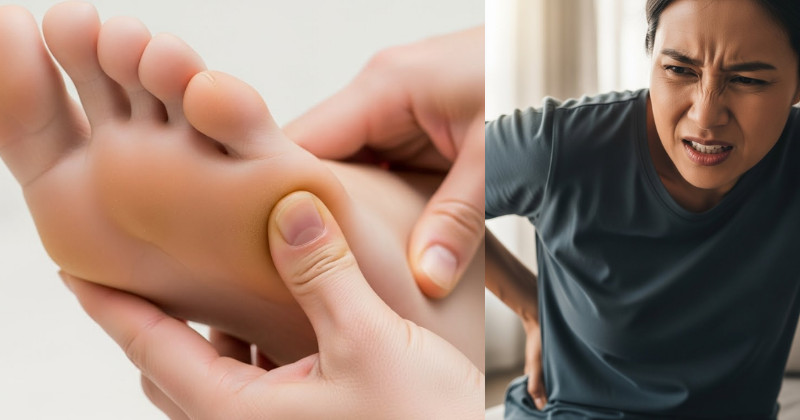
Understand why this foot pain is not from walking but from your lower back. Discover how spinal health impacts your feet and learn simple fixes for relief.
Have you ever spent a fortune on high-end orthopedic shoes, only to find that your stabbing heel pain or tingling toes simply won’t go away? It is an incredibly frustrating cycle. You rest your feet, you stretch your calves, and you soak your soles, yet the discomfort remains. The truth is, you might be looking at the wrong end of the problem. You are about to discover the biological secret that many people miss: this foot pain is not from walking—it’s coming from your lower back.
By understanding the connection between your lumbar spine and your lower extremities, you can transform your approach to recovery and achieve lasting relief. This guide will empower you with achievable, step-by-step guidance to identify the source of your “referred pain” and realign your body for success. You have the capability to move without restriction. Get ready to discover the “lumbar-foot link” and achieve a breakthrough in your daily comfort!
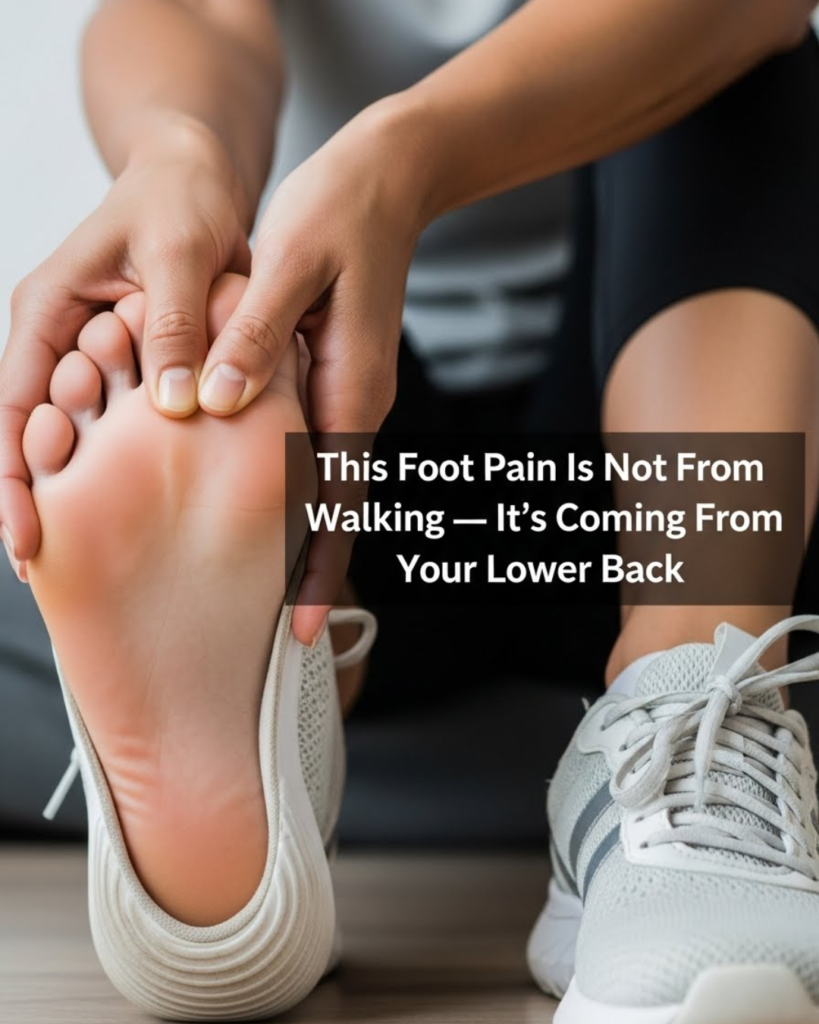
Foundation: The Nervous System’s Hidden Highway
Before we address the symptoms, let’s build your confidence with the basic concepts of how your body communicates. Understanding this hidden highway is the first step toward healing.
The Sciatic Nerve and Radiculopathy
Your lower back, specifically the lumbar spine (L4, L5) and sacral region (S1), serves as the “control center” for your legs and feet. The nerves that exit your spine here bundle together to form the sciatic nerve, the largest nerve in your body. When a disc is bulging or there is inflammation in the lower back, it can “pinch” these nerves. This creates a sensation called radiculopathy—where the brain perceives pain in the foot, even though the injury is in the spine.
Referred Pain vs. Local Injury
It is easy to mistake nerve pain for a foot injury like plantar fasciitis or a stress fracture. However, if your foot pain is accompanied by numbness, a “pins and needles” sensation, or weakness when you try to lift your big toe, the source is likely neurological rather than mechanical.
Encouraging Reassurance for Beginners
If you are worried that “back problems” sound scary, take heart! Most nerve-related foot pain can be managed with conservative, at-home care. You don’t necessarily need surgery to achieve a pain-free life. By making small adjustments to your posture and habits, you are taking a proactive step toward systemic wellness. You are making an admirable choice to listen to what your body is truly telling you.
Step-by-Step: Identifying and Addressing the Source
Now that you know the cause, let’s break down the process of managing this referred pain into manageable steps.
1. The “Symptom Check”
- Location: Is the pain on the outer edge of your foot (S1 nerve) or the top of the foot near the big toe (L5 nerve)?
- Timing: Does the pain worsen when you sit for long periods or when you sneeze? These are classic signs of spinal involvement.
2. Decompressing the Spine at Home
- The 90/90 Rest: Lie on your back on the floor with your calves resting on a chair or sofa. Your knees and hips should both be at a 90-degree angle.
- The Result: This position flattens the lower back and opens the “windows” where the nerves exit the spine, providing immediate relief to the feet.
- The Duration: Stay here for 10–15 minutes twice a day to achieve the best results.
3. Nerve Flossing
Think of your nerves like a string inside a straw. Sometimes they get “stuck.”
- The Move: While sitting, slowly straighten one leg while looking up at the ceiling. Then, tuck your chin to your chest while bending the knee back.
- The Goal: This “slides” the nerve through the pathway, reducing irritation and “unsticking” the signal to your foot.
Featured Snippet: Can lower back issues cause foot pain?
Yes, lower back issues are a very common cause of foot pain through a process called referred pain or radiculopathy. When nerves in the lumbar spine (specifically L4, L5, or S1) are compressed by a herniated disc, spinal stenosis, or inflammation, the pain signals travel down the sciatic nerve and are felt in the foot. Symptoms often include burning, tingling, or numbness that does not improve with traditional foot treatments like new shoes or foot massages.
Advanced Strategies: Pro Tips for Spinal Alignment
Once you have mastered the basics of decompression, share expert-level insights by optimizing your environment for spinal health.
Sleep Position and Nerve Relief
The way you sleep can either pinch or protect your lumbar nerves.
- Pro Tip: If you are a side sleeper, always place a firm pillow between your knees. This prevents your top leg from pulling your spine into a twist.
- Internal Link: For a deeper dive into nocturnal recovery, read How Sleep Position Affects Hip & Knee Joint Pain (And How To Fix It Tonight). Remember, the body doesn’t heal best during sleep — it heals when sleep is undisturbed.
Anti-Inflammatory Living
Nerve pain is often exacerbated by systemic inflammation.
- Internal Link: What you eat impacts your nerve sensitivity. Discover The 20 Worst Foods For People with Arthritis, Ranked in Order to learn which inflammatory triggers might be making your back and foot pain worse.
- Action: Incorporate turmeric and Omega-3 fatty acids to help “quiet” irritated nerves.
Footwear with a Back-First Mindset
Even though the pain is in your back, your shoes still matter—not because of the cushion, but because of the “drop.” Avoid high heels or completely flat shoes with zero arch support, as both can tilt your pelvis and compress the lower back.
Troubleshooting: Common Challenges and Solutions
Addressing nerve pain requires patience. Here is how to handle frequent obstacles with an encouraging mindset:
- “I feel better, then the pain returns”: Nerve healing is not linear. It often takes 4–6 weeks of consistent decompression to see a permanent change. Don’t give up!
- “The stretches make it worse”: If a stretch causes “peripheralization” (pain moving further down into the toes), stop immediately. You want the pain to “centralize” (move from the foot back up toward the leg or back).
- “My back doesn’t even hurt!”: This is the most common challenge. It is possible to have a “silent” back issue where the only symptom is in the foot. Trust the anatomy!
Preventive Measures
To prevent future “pinching,” focus on core stability. A strong “natural corset” of abdominal muscles protects the spine from the sudden movements that cause disc issues.
- Internal Link: Keeping your home environment stress-free can also reduce muscle tension. Use DIY natural air fresheners to create a calming space where you can focus on your recovery exercises.
Maximizing Results: The Holistic Path to Mobility
Now that you’ve identified that your foot pain is not from walking, build upon your success by treating your body as a whole system.
Complementary Strategies
- Hydration: Spinal discs are mostly water. Staying hydrated keeps them plump and provides more space for your nerves to breathe.
- Mind-Body Connection: Stress causes us to “clench” our lower back muscles.
- Internal Link: Try a relaxing bath with DIY Rose Shower Gel to melt away the physical tension that contributes to nerve compression.
- Home Maintenance: Avoid heavy lifting during a flare-up.
- Internal Link: If you must clean, use lightweight tools and a simple floor cleaner diy solution to avoid the strenuous scrubbing that strains the lumbar spine.
Long-Term Considerations
Achieving lasting health means learning to read your body’s signals. When your foot starts to tingle, don’t reach for a foot soak—reach for your decompression pillow. You are learning to be your own best health advocate!
Conclusion: Achieve a Life of Free Movement
You have now discovered the hidden truth: this foot pain is not from walking—it’s coming from your lower back. You have moved from being confused by local symptoms to being empowered by systemic knowledge. By following these steps—decompressing the spine, “flossing” your nerves, and optimizing your sleep—you have achieved a strategy for recovery that targets the root cause rather than the shadow.
The journey to wellness is an achievable and rewarding path. We encourage you to try the 90/90 rest position tonight. You are more than capable of achieving a future where every step you take is a comfortable one!
Would you like me to help you create a “Daily Spine-Health Routine” to keep your feet feeling great? Your path to total body relief starts with your back!
Important Disclaimer: This article is for informational purposes only and should not replace professional medical advice. For persistent pain, numbness, or loss of motor function, consult healthcare providers or neurologists immediately. Individual results may vary, and personal circumstances should always be considered when implementing any suggestions.