
Discover DIY scented sachets bags recipes using lavender, citrus, and herbs. Learn how to create natural air fresheners for your closets and drawers today.
Have you ever opened a closet or a dresser drawer only to be met with a stale, musty scent that makes your freshly laundered clothes feel less than clean? It is a common frustration, especially in humid climates or older homes where airflow is limited. But instead of reaching for synthetic, chemical-heavy sprays that only mask the odor, what if you could infuse your home with the pure, calming essence of a summer garden? Today, you are going to discover how to create DIY scented sachets bags recipes using lavender, citrus & herbs. These charming little pouches are the perfect marriage of DIY home decor crafts and functional wellness, providing a continuous burst of fragrance wherever you need it most.
By mastering these simple recipes, you will transform your storage spaces into aromatic sanctuaries. This guide offers achievable, step-by-step guidance to help you craft professional-quality sachets using ingredients you likely already have. You have the capability to customize your home’s “scent signature” while enjoying the satisfaction of a completed DIY project. Get ready to discover how these small, scented treasures can achieve a total breakthrough in your home’s atmosphere!
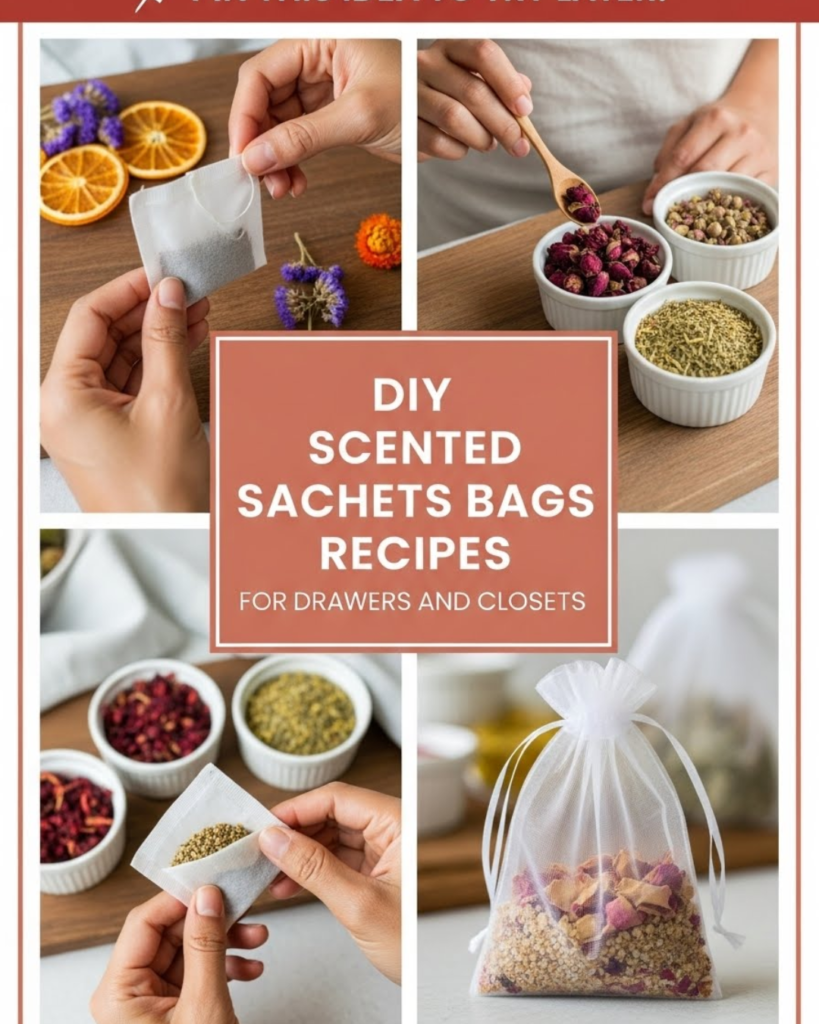
Foundation: The Art of Natural Fragrance
Before we start filling our bags, let’s build your confidence with the basic concepts of natural scent preservation. Understanding how herbs and oils interact is the first step toward creating long-lasting DIY home decor crafts.
Why Choose DIY Scented Sachets?
Traditional air fresheners often contain phthalates and synthetic musks. By making your own DIY scented sachets bags recipes, you control exactly what goes into your air. Natural botanicals like lavender and rosemary don’t just smell good; they offer therapeutic benefits, such as promoting relaxation or repelling unwanted pests like moths.
Key Components of a Sachet
- The Filler: This provides bulk and helps hold the scent. Common choices include dried rice, Epsom salts, or wood shavings.
- The Botanicals: These are your primary scent drivers—think dried lavender buds, rose petals, or citrus peels.
- The Essential Oils: These provide a “boost” to the natural scent and increase the longevity of the sachet.
Reassurance for Beginners
If you aren’t a “master crafter,” don’t worry! This project requires zero sewing if you choose the right materials. It is a cost-saving, low-stress way to personalize your living space. You are doing a great job by choosing sustainable alternatives for your home, and the results will be absolutely delightful!
Step-by-Step: Three Signature Sachet Recipes
Ready to get started? Follow these manageable steps to create three distinct DIY scented sachets bags recipes using lavender, citrus & herbs.
1. The “Sleepy Time” Lavender Sachet
Perfect for pillowcases and linen closets to promote deep relaxation.
- The Mix: Combine 1 cup of dried lavender buds with 1/2 cup of uncooked white rice.
- The Boost: Add 5-10 drops of Lavender essential oil.
- The Assembly: Scoop the mixture into a small muslin or organza bag and tie it tightly with a ribbon.
2. The “Zesty Kitchen” Citrus & Mint Sachet
Ideal for under the sink or in pantry drawers to keep things smelling fresh and bright.
- The Prep: Dry out thin slices of lemon or orange peel in the oven at a low temperature until crisp.
- The Mix: Combine the dried peels with 1/2 cup of dried mint leaves.
- The Secret: Add 5 drops of Lemongrass oil to sharpen the scent.
3. The “Herbal Forest” Wardrobe Sachet
A sophisticated blend that naturally repels moths while smelling like a high-end boutique.
- The Mix: Blend 1/2 cup dried rosemary, 1/4 cup dried cedar chips, and 1/4 cup dried thyme.
- The Finish: Add 5 drops of Cedarwood or Eucalyptus oil.
Advanced Strategies: Pro Tips for Scent Longevity
Once you have mastered the basics, share expert-level insights with yourself by using these creative solutions to make your DIY home decor crafts last for months.
The Fixative Secret
Natural scents evaporate over time. To prevent this, use a “fixative.”
- Pro Tip: Add a tablespoon of Orris root powder or even a few drops of Vitamin E oil to your mixture. These substances act as anchors, slowing down the evaporation of the essential oils.
- Internal Link: If you love the smell of these herbs, you might also enjoy learning How to Use Cloves for Better Digestion in a Natural Way, which explores the functional side of your spice cabinet.
Customizing the Aesthetic
Don’t stop at the scent! Make these sachets a part of your decor.
- Variation: Use vintage lace scraps or colorful cotton fabric squares tied with twine for a rustic, farmhouse look.
- Internal Link: To create a full sensory experience in your home, pair your sachets with the ambiance of How to Make Aesthetic Homemade Candles That Smell Like a Luxury Store.
Featured Snippet: How do you make scented sachets last longer?
To make DIY scented sachets last longer, use a combination of dried botanicals and essential oils. Every few weeks, simply squeeze the bag gently to crush the dried herbs and release fresh oils. If the scent fades significantly, you can “refresh” the sachet by adding 2–3 drops of essential oil directly onto the outside of the bag or onto the filler inside. Using a fixative like Orris root powder also helps lock in the fragrance for several months.
Troubleshooting: Common Sachet Challenges
Even the simplest DIY home decor crafts can have a few hiccups. Here is how to handle them with an encouraging mindset:
- “My sachet has no scent after a week”: You may have used old, “expired” herbs. Action: Ensure your dried botanicals are vibrant in color. If they look gray or brown, their natural oils are likely gone.
- “The oil is staining my clothes”: This happens if the oil isn’t properly absorbed by the filler.
- Solution: Mix your essential oils with the rice or salt before adding the dried flowers, and let it dry for 30 minutes before bagging.
- “I’m worried about pests”: Some herbs actually attract certain insects if not dried properly.
- Prevention: Ensure all citrus peels and herbs are 100% moisture-free before sealing them in a bag.
- Internal Link: If you are dealing with seasonal congestion while crafting, try using DIY Shower Steamers for Instant Congestion Relief & Relaxation to clear your head!
Maximizing Results: Creative Uses for Your Sachets
Now that you have your DIY scented sachets bags recipes using lavender, citrus & herbs, let’s show you how to build upon this success by using them in unexpected ways.
Beyond the Drawer
- In the Car: Hang a citrus sachet from your rearview mirror for a natural car freshener that won’t give you a headache.
- In Luggage: Toss a lavender sachet into your suitcase to keep your travel gear smelling like home.
- Internal Link: While you are in a “refreshing” mood, why not try A Simple Self-Care Ritual That Feels Like a Reset Button to match your home’s new vibe with your internal energy?
Seasonal Variations
- Winter: Incorporate dried pine needles and cinnamon sticks.
- Spring: Use dried jasmine or chamomile for a light, floral lift.
- Internal Link: If you find the scents of spring lead to allergies, check out a Homemade Congestion Remedy | Amish Fire Water to keep your sinuses clear so you can enjoy your crafts!
Conclusion: A Home That Truly Breathes
You have now discovered the best DIY scented sachets bags recipes using lavender, citrus & herbs and, more importantly, you have the achievable steps to make them a reality. You have moved from dealing with stale closets to being an empowered creator of a fragrant, welcoming home. By following these methods—balancing fillers, choosing the right botanicals, and using fixatives—you have achieved a strategy for lasting freshness.
The journey to a more natural, beautiful home is an achievable and rewarding path. We encourage you to start with the Lavender recipe tonight! You are more than capable of achieving a high-quality, spa-like atmosphere using simple tools from your garden and kitchen.
Wow, this paragraph is good, my younger sister is analyzing such things, therefore I am going to inform her.
Thank you for the comment.