
Master this DIY magnesium cream recipe to support holiday relaxation and provide natural relief for leg cramps. Discover the best transdermal wellness hack today.
Have you ever spent a long day on your feet shopping for the holidays, only to be kept awake by that restless, twitching sensation in your legs? Or perhaps the stress of the season has left your muscles feeling tight and your mind unable to settle down for a good night’s sleep. We have all been there, tossing and turning while searching for a way to quiet the body. But imagine a velvety, homemade lotion that melts into your skin, delivering calming minerals directly to your tired muscles. Today, you are going to learn how to create a DIY magnesium cream recipe that acts as a soothing balm for both your physical aches and your holiday stress.
By making your own wellness products, you are choosing to avoid the fillers and synthetic preservatives found in commercial “muscle rubs.” This guide provides achievable, step-by-step guidance to help you craft a high-potency magnesium butter right in your own kitchen. You have the capability to transform your evening routine and unlock a deeper, more restorative sleep. Get ready to discover how this simple DIY magnesium cream recipe can achieve a total breakthrough for your seasonal well-being!
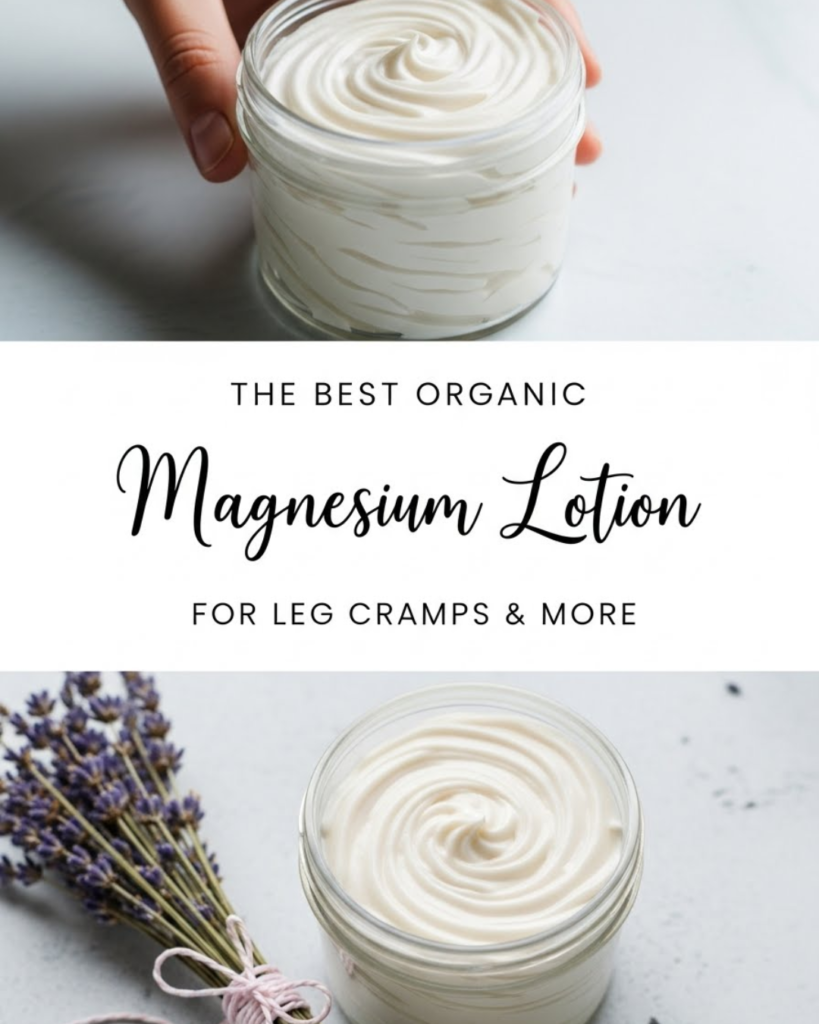
Foundation: Why Magnesium is a Wellness Essential
Before we start whipping up your cream, let’s build your confidence with the basic concepts of mineral health. Understanding why magnesium is so vital will help you appreciate the “why” behind this DIY magnesium cream recipe.
The Power of Transdermal Absorption
Magnesium is a mineral responsible for over 300 biochemical reactions in the human body, including muscle relaxation and nervous system regulation. While many people take oral supplements, “transdermal” or topical application is a fantastic way to bypass the digestive system. This allows the magnesium to be absorbed directly through the skin, providing localized relief where you need it most.
Addressing the “Tingle” Factor
If you have used “magnesium oil” before, you might have noticed a slight itchy or tingling sensation. This is common and usually indicates a deficiency or sensitive skin. The beauty of a DIY magnesium cream recipe is that we blend the mineral with nourishing fats like shea butter, which buffers the magnesium and makes the application smooth and comfortable for beginners.
Reassurance for Your Journey
Taking charge of your health doesn’t have to be complicated. You are doing a great job by looking for natural ways to support your body during the busy holiday season. You have everything you need to succeed, and your body will thank you for this gentle, mineral-rich gift.
Step-by-Step: The Ultimate DIY Magnesium Cream Recipe
Ready to find some relief? Follow these manageable steps to create a luxurious magnesium butter that is perfect for holiday gifting or personal use.
1. Gather Your Supplies
To make a standard 8oz jar of cream, you will need:
- 1/2 cup Magnesium Flakes: These will be dissolved into a concentrated “oil.”
- 3 tablespoons Boiling Water: To create the magnesium brine.
- 1/2 cup Shea Butter: For a creamy, nourishing base.
- 1/4 cup Coconut Oil: For easy spreading.
- 2 tablespoons Beeswax Pellets: To keep the cream stable.
- Optional: 15 drops of Lavender or Roman Chamomile essential oil for extra relaxation.
2. Core Method: Mixing the Magic
- Step 1: Dissolve the magnesium flakes in the boiling water. Stir until clear and let this “magnesium oil” cool completely.
- Step 2: Using a double boiler, melt the shea butter, coconut oil, and beeswax until liquid.
- Step 3: Remove the oils from the heat and let them cool until they start to look slightly opaque but are still liquid.
- Step 4: This is the secret! Slowly pour the cooled magnesium oil into the oil mixture while using a hand mixer or whisk. Emulsify until it looks like thick whipped cream.
- Step 5: Add your essential oils and transfer to a glass jar.
3. Application Tips
Apply a teaspoon-sized amount to your calves, feet, or shoulders before bed. For leg cramps, focus on the area of tension.
- Internal Link: To keep your kitchen clean after making your wellness products, discover how our Magic Cleaning Paste can handle any oily residue.
Advanced Strategies: Customizing Your Relief
Once you have mastered the basic DIY magnesium cream recipe, share expert-level insights with yourself to adapt the formula for different needs.
The “Holiday Stress” Blend
Add 10 drops of Frankincense and 5 drops of Sweet Orange oil to your cream. This combination is grounding and uplifting, making it the perfect companion for a stressful December afternoon.
The “Athlete’s Recovery” Variation
If you are dealing with intense muscle soreness from winter sports or gym sessions, swap the lavender for Peppermint or Eucalyptus oil. The cooling sensation paired with magnesium provides immediate comfort.
- Internal Link: If you are focusing on body recovery, you might also be interested in how Garlic and Cloves Naturally Support Better Circulation.
Featured Snippet: Does magnesium cream help with leg cramps?
Yes, magnesium cream is highly effective for relieving leg cramps because magnesium is a natural calcium blocker that helps muscles relax. When applied topically, it enters the bloodstream through the skin, helping to terminate the involuntary muscle contractions that cause cramping and “restless leg” sensations. For best results, massage the cream into the affected muscle for 2-3 minutes.
Troubleshooting: Common Challenges and Solutions
Even the most achievable DIY projects can have a few hiccups. Here is how to handle them with an empowering mindset:
- “My cream separated”: This usually happens if the magnesium brine was a different temperature than the oils during mixing.
- Solution: Re-melt the mixture gently and use a high-speed blender or immersion blender to force the emulsion.
- “It feels a bit sticky”: Magnesium is a salt, so it can have a slightly tacky finish.
- Fix: Wait 10 minutes for it to absorb, then wipe your skin with a damp cloth if needed. Most of the magnesium is absorbed in that first window!
- “My skin is still tingling”:
- Tip: Start with a smaller amount or apply it over a thin layer of regular lotion until your skin adjusts.
- Internal Link: If you find yourself too tired to finish your DIY projects, check out A Simple Self-Care Ritual That Feels Like a Reset Button.
Maximizing Results: A Holistic Relaxation Routine
Now that you have your DIY magnesium cream recipe, let’s build upon that success by optimizing your holiday wellness.
Create a Bedtime Ritual
Combine your magnesium application with a digital detox. Turn off your phone 30 minutes before bed and let the magnesium do its work.
- Internal Link: For the ultimate relaxation duo, pair your magnesium massage with a cup of Herbal Tea for Lung Detox to help you breathe deeply and settle your nervous system.
Seasonal Maintenance
Keep a small tin of this cream in your bag during holiday travel. It is a lifesaver for cramped legs on long flights or car rides!
- Internal Link: If you are also dealing with winter skin issues, try our Homemade All Natural Skin Balm For Dry Skin to keep your glow during the festivities.
Conclusion: Achieve the Calm You Deserve
You have now discovered the ultimate DIY magnesium cream recipe and, more importantly, you have the achievable steps to bring more relaxation into your life. You have moved from being frustrated by muscle tension to being an empowered creator of your own natural remedies. By following these methods—emulsifying carefully, choosing calming oils, and using it as a nightly ritual—you have achieved a strategy for better sleep and physical comfort.
The journey to wellness is an achievable and rewarding path, especially during the busy holidays. We encourage you to whip up your first batch today! You are more than capable of achieving a high-quality, vibrant life using the simple, healing power of minerals and nature.
Important Disclaimer: This article is for informational purposes only and should not replace professional advice. For health-related topics, consult healthcare providers. For financial or legal matters, seek qualified professional guidance. For safety procedures, verify current best practices and local regulations. Individual results may vary, and personal circumstances should always be considered when implementing any suggestions.