
Discover the rose water recipe that lasts over a year. Learn the distillation secret to creating professional-grade floral water for skin and hair at home.
Have you ever purchased a beautiful bottle of floral water, only to have it go cloudy or smell “off” within just a few short weeks? It is a common frustration for natural beauty lovers who want to harness the soothing power of botanicals without the heavy preservatives found in store-bought brands. Imagine opening your pantry and finding a crystal-clear, fragrant bottle of floral mist that is just as fresh as the day you made it—months or even a year later. Today, you are going to discover the rose water recipe that lasts over a year by using an ancient yet surprisingly simple distillation technique.
By moving beyond simple “tea-style” infusions and embracing the art of home distillation, you will gain the confidence to create your own high-end skincare staples. This guide offers achievable, step-by-step guidance to help you transform fresh garden petals into a shelf-stable elixir. You have the capability to save money, reduce plastic waste, and unlock a professional level of DIY beauty. Get ready to discover how this specific method can achieve a total breakthrough for your self-care routine!
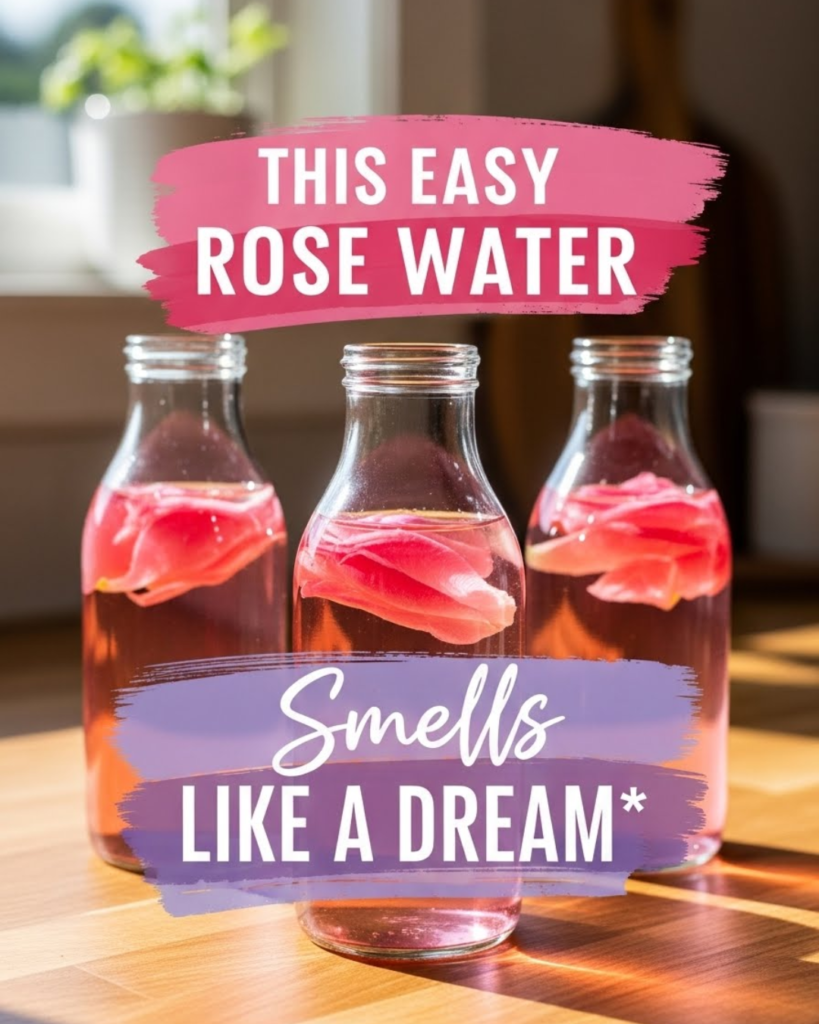
Foundation: Distillation vs. Simmering
Before we gather our petals, let’s build your confidence with the basic concepts of why this specific method works so well. Understanding the “why” behind the rose water recipe that lasts over a year will help you see why typical homemade versions usually fail.
Why Infusions Spoil Quickly
Most DIY recipes tell you to simmer petals in water and strain them. While this smells lovely, it leaves behind organic plant matter and sugars that act as food for bacteria. This “rose tea” usually spoils in about two weeks.
The Power of Distillation
Distillation is the process of capturing the steam released by the petals. This steam contains the volatile oils (essential oils) and the cellular water of the plant (hydrosol), but it leaves the bacteria-prone solids behind. Because the resulting liquid is essentially sterile and concentrated with natural plant preservatives, it stays fresh significantly longer.
Reassurance for Beginners
If “distillation” sounds like a complex laboratory process, don’t worry! You are doing a great job by seeking out more durable methods. You don’t need expensive equipment; you likely already have everything you need in your kitchen cabinets. You have everything you need to succeed with a standard pot and lid.
Step-by-Step: The Home Distillation Process
Ready to create your long-lasting elixir? Follow these manageable steps to ensure a successful harvest. This core method is the secret to why the rose water recipe that lasts over a year actually works.
1. Gather Your Supplies
To create about 2 cups of shelf-stable rose water, you will need:
- 2–3 quarts of fresh, fragrant rose petals (pesticide-free is essential!)
- A large stockpot with a rounded/domed lid
- A small heat-proof glass bowl
- A brick or a clean heavy stone
- Ice cubes (plenty of them!)
- Distilled water
2. Setting Up Your “Still”
- Step 1: Place the brick in the center of your stockpot.
- Step 2: Position the glass bowl on top of the brick. This bowl will catch your pure rose water.
- Step 3: Pack the rose petals around the brick (not inside the bowl).
- Step 4: Pour enough distilled water over the petals to just cover them.
- Step 5: Place the lid on the pot upside down. This creates a funnel for the steam to drip into your bowl.
3. The Extraction
- Step 6: Turn the heat to medium-low. Do not let the water reach a violent boil.
- Step 7: Place ice cubes on the top of the inverted lid. The cold lid causes the rose-scented steam to condense into liquid and drip directly into your center bowl.
- Step 8: Simmer for 20–30 minutes, replacing the ice as it melts.
- Internal Link: While your kitchen fills with a heavenly aroma, why not try another natural beauty hack? Discover our recipe for DIY Lip Balm Orange and Clove to pair with your new floral mist!
Advanced Strategies: Pro Tips for Potency and Preservation
Once you have mastered the basic distillation, use these expert-level insights to customize your results and ensure your batch stays fresh for the long haul.
Enhancing Shelf Life with Storage
Even though distilled water is stable, your storage choice matters. Always use dark glass (cobalt or amber) bottles to protect the volatile oils from light degradation. For the absolute best results, keep your “stock” bottle in the refrigerator and only take out what you need for a small spray bottle.
Choosing the Right Roses
To achieve the most fragrant results, harvest your roses in the early morning when their oil content is highest. Varieties like Rosa damascena or Rosa centifolia are the traditional choices, but any highly scented, organic garden rose will work beautifully.
- Internal Link: If you love using garden-fresh ingredients, you might also enjoy exploring Clove Tea Benefits for a warming, healthy beverage.
Featured Snippet: How long does homemade rose water last?
Standard homemade rose water made by simmering petals usually lasts 1–2 weeks in the fridge. However, distilled rose water (hydrosol) made using the “pot-within-a-pot” method can last over a year when stored in a cool, dark place. The lack of organic sediment and the presence of natural plant volatiles prevent bacterial growth, making it a shelf-stable alternative to store-bought mists.
Troubleshooting: Common Challenges and Solutions
Even the most straightforward DIY projects can have a few hurdles. Here is how to handle them with an empowering, supportive mindset:
- “My rose water doesn’t smell like anything”: You may have simmered the pot too long or used old petals.
- Solution: Stop the process when the petals have turned translucent. If you keep going, you’ll just be collecting plain water.
- “The bowl keeps floating off the brick”:
- Fix: Use a heavier bowl or a larger brick. Ensure the water level isn’t so high that it lifts the center assembly.
- “Water is escaping from the sides of the lid”:
- Tip: You can create a “seal” using a simple flour-and-water paste or a damp towel wrapped around the rim of the pot to keep that precious steam inside.
- Internal Link: After you’ve finished your project, use our guide on Making Your Own Non Toxic Cleaning Wipes to easily clean up any floral residue from your stove!
Maximizing Results: Ways to Use Your Year-Long Supply
Now that you have the rose water recipe that lasts over a year, let’s build upon that success by exploring how to integrate it into your daily life.
For Skin and Hair
Rose water is a natural pH balancer. Use it as a toner after cleansing to soothe redness or mist it onto your hair to add shine and a delicate scent. Because your batch is so stable, you can even add a splash to your bath for a luxurious experience.
Complementary Wellness Strategies
Healthy skin starts from the inside. While you use your rose water externally, consider supporting your hydration internally.
- Internal Link: Discover the Turmeric Water Benefits to provide your skin with a double-boost of anti-inflammatory power!
Conclusion: Achieve Botanical Perfection at Home
You have now discovered the secret to the rose water recipe that lasts over a year and, more importantly, you have the achievable steps to make it yourself. You have moved from someone who buys expensive mists to an empowered creator who knows exactly what is in their skincare. By following these methods—choosing the distillation path, using ice for condensation, and storing in dark glass—you have achieved a strategy for long-term beauty success.
The journey to a more natural home is a rewarding path of self-sufficiency. We encourage you to try this “pot-still” method during the next rose bloom! You are more than capable of achieving a high-quality, professional-grade hydrosol using these simple, nature-inspired techniques.
Important Disclaimer: This article is for informational purposes only and should not replace professional advice. For health-related topics, consult healthcare providers. Individual results may vary, and personal skin sensitivity should always be considered when implementing any new skincare products.