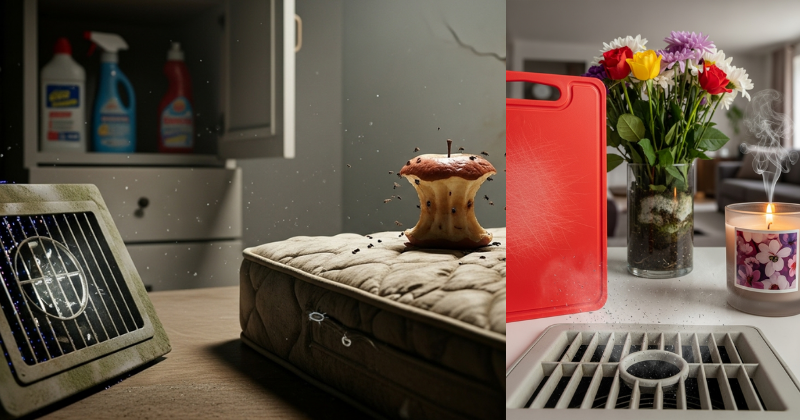
Identify the hidden enemies in your home that are slowly hurting your health. Learn how to eliminate indoor toxins and create a safe, vibrant living sanctuary today.
Important Disclaimer: This article is for informational purposes only and should not replace professional advice. For health-related topics, consult healthcare providers. For safety procedures, verify current best practices and local regulations. Individual results may vary, and personal circumstances should always be considered when implementing any suggestions.
Have you ever felt unexplainably tired, suffered from nagging headaches, or noticed your allergies flaring up even when you stay indoors? We often think of our homes as the ultimate safe haven, a place to escape the pollution and stress of the outside world. However, your living space might actually be harboring hidden enemies in your home that are slowly hurting your health. From the air you breathe to the surfaces you touch, invisible toxins can accumulate and impact your long-term well-being.
The good news is that you don’t have to live in fear. By uncovering these household hazards, you can transform your environment into a true sanctuary. In this guide, we will explore the common culprits—ranging from synthetic fragrances to toxic cleaners—and provide you with actionable, budget-friendly solutions to neutralize them. You have the power to unlock a healthier lifestyle for you and your family. Let’s discover how you can achieve a non-toxic home and wake up feeling truly refreshed!
Foundation: Understanding Indoor Environmental Health
Building confidence in your home wellness journey begins with awareness. Many of the products we use daily are marketed as “clean” or “fresh,” but their chemical compositions tell a different story.
What are Indoor Air Pollutants?
According to environmental research, indoor air can be two to five times more polluted than outdoor air. This is largely due to Volatile Organic Compounds (VOCs) found in common household items. These hidden enemies in your home can irritate the lungs, disrupt hormones, and strain the liver. Recognizing these sources isn’t about creating panic; it’s about making a [sustainable lifestyle change] that empowers you to control your surroundings.
Addressing Common Hesitations
You might feel that transitioning to a non-toxic home is too expensive or difficult. Reassurance comes from knowing that some of the most effective solutions are actually the most affordable. Switching to natural alternatives often saves money in the long run. You don’t need to replace everything at once—gradual progress is the key to sustainable success. You are fully capable of making these changes one room at a time.
Primary Sources of Household Toxins
- Synthetic Fragrances: Found in air fresheners, candles, and laundry detergents.
- Harsh Chemical Cleaners: Products containing bleach, ammonia, and phthalates.
- Microplastics and Dust: Accumulations on electronics and soft furnishings.
Step-by-Step: Neutralizing Household Hazards
Ready to clear the air? Follow these clear, actionable steps to start eliminating the toxins that are slowly hurting your health.
1. Purify Your Air Naturally
Stop using synthetic aerosol sprays immediately. Instead, focus on mechanical and botanical filtration.
- Step 1: Open your windows for at least 15 minutes a day to create cross-ventilation.
- Step 2: Introduce “clean air” plants. If you enjoy [gardening topics], you can grow Snake Plants or Peace Lilies, which are famous for absorbing toxins like formaldehyde.
- Step 3: Use a HEPA-filter vacuum to ensure you aren’t just blowing dust and allergens back into the room.
2. Switch to Non-Toxic Cleaning
The liquids you use to “clean” might be leaving behind toxic residues.
- Declutter: Safely dispose of cleaners with “danger” or “poison” labels.
- Create: Use [DIY non-toxic cleaning recipes] featuring white vinegar, baking soda, and lemon. These ingredients are safe, effective, and cost almost nothing.
- Scent: If you miss the “clean” smell, add a few drops of organic lemon or eucalyptus essential oil to your mixture.
3. Tackle the Bedroom Sanctuary
Since we spend a third of our lives sleeping, the bedroom is a critical area for health.
- Action: Swap synthetic pillowcases for organic cotton or silk.
- Ritual: Use a [Rose Vanilla Sleep Latte] to help your body relax, but ensure you aren’t using paraffin candles in the room. Use [handmade aroma stones] instead to diffuse calming scents without the soot.
Advanced Strategies: Expert Tips for a Clean Home
Once you’ve mastered the basics, you can share expert-level insights by looking at the less obvious threats in your home.
Managing Electromagnetic Fields (EMF)
In our connected world, electronic devices are everywhere. While the research is ongoing, many wellness experts suggest a “digital sunset.” Turning off your Wi-Fi router at night and keeping cell phones out of the bedroom can reduce your exposure to EMFs, potentially improving your sleep quality and neurological rest.
Non-Toxic Fragrance Solutions
If you love a scented home, move beyond store-bought plug-ins. You can [freshen a musty closet naturally] by using cedar blocks or small sachets of dried lavender. For a whole-house scent, try a simmer pot on the stove with cinnamon sticks and orange peels. This provides a luxurious aroma without the endocrine-disrupting phthalates found in synthetic perfumes.
Creative Customization
Every home is different. If you live in an older building, you may need to focus on heavy metal filtration in your water. If you live in a high-humidity area, mold prevention is your priority. Use your [DIY trinket dish] to hold small moisture-absorbing silica packets in jewelry boxes or drawers to prevent mildew.
Troubleshooting: Common Challenges and Solutions
Transitioning your home environment can lead to a few hurdles. Here is how to handle them with encouragement.
“My family misses the ‘bleach’ smell of a clean house.”
- The Solution: We have been conditioned to associate chemical smells with cleanliness. Re-educate your senses! Use high-quality peppermint or citrus oils in your DIY cleaners. Eventually, the heavy smell of chemicals will start to feel overwhelming, and you will prefer the crisp, natural air.
“I have a limited budget for new products.”
- Alternative Approach: Focus on “subtraction” before “addition.” You don’t need to buy a $500 air purifier today. Simply removing shoes at the door prevents pesticides and lead dust from entering your home. This costs zero dollars but has a massive impact on your indoor health.
“I’m overwhelmed by where to start.”
- Preventive Measures: Start with the “Rule of One.” Replace one product per month. This month, it might be your dish soap; next month, your glass cleaner. This prevents “decision fatigue” and makes the transformation feel achievable.
Maximizing Results: Maintenance and Long-Term Success
To build upon your basic success, you must treat home wellness as a continuous process of nurturing your environment.
Regular “Home Detox” Audits
Every six months, do a walkthrough of your home. Check for expired products, hidden mold behind sinks, and dust buildup behind large appliances. By staying proactive, you prevent the hidden enemies in your home from gaining a foothold.
Seasonal Considerations
Just as you might adjust your [gardening topics] based on the season, your home needs seasonal care. In the winter, use a humidifier to prevent dry mucous membranes, which are your first line of defense against viruses. In the summer, focus on high-quality window screens to keep out pollen while allowing fresh air to circulate.
Featured Snippet: What are the most common toxins in a home?
The most common toxins in a home are Volatile Organic Compounds (VOCs) from synthetic fragrances, phthalates in cleaning products, and formaldehyde found in pressed wood furniture. These hidden enemies can cause respiratory issues and hormone disruption. The best way to neutralize them is by using DIY non-toxic cleaners, increasing ventilation, and incorporating air-purifying plants into your decor.
Conclusion
Uncovering the hidden enemies in your home that are slowly hurting your health is the first step toward a more vibrant and energetic life. You have discovered that you have the capability to succeed in creating a non-toxic sanctuary for yourself and your loved ones. By making mindful choices—like using [DIY non-toxic cleaning recipes] and prioritizing fresh air—you achieve a level of health and peace of mind that is truly transformative.
You’ve got this! Start today by opening a window and breathing in the fresh air. You will be amazed at how much better you feel when your home is working with your body instead of against it.