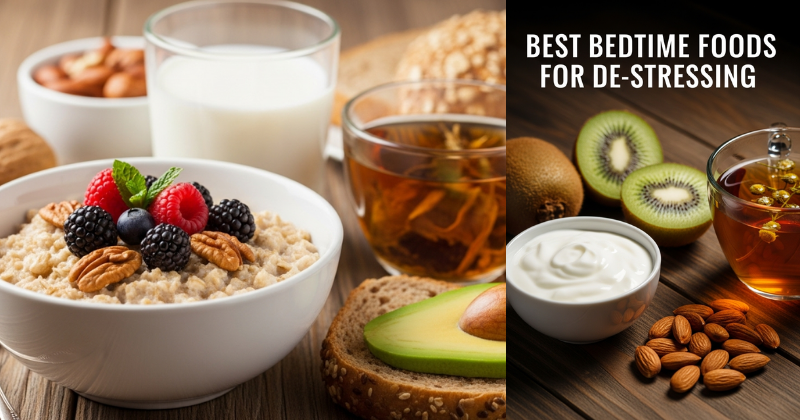
Discover the best bedtime foods for de-stressing to calm your mind and improve sleep. Learn how specific snacks like tart cherries and almonds can lower cortisol.
Do you often find yourself tossing and turning at night, your mind racing with the stresses of the day? You are certainly not alone. Many of us struggle to “switch off,” but the secret to a peaceful night’s rest might be hiding right in your kitchen. Imagine being able to eat your way to a calmer state of mind and a deeper, more restorative sleep. It is time to transform your evening routine from a high-stress scramble into a soothing sanctuary.
In this guide, you will discover the best bedtime foods for de-stressing and how they interact with your body’s natural chemistry. We will explore the nutrients that quiet the nervous system and provide actionable snacks that you can prepare in minutes. By choosing the right late-night bites, you have the power to lower your cortisol levels and wake up feeling refreshed. Let’s dive into the delicious world of sleep-promoting nutrition and unlock the tranquility you deserve!
Important Disclaimer: This article is for informational purposes only and should not replace professional advice. For health-related topics, consult healthcare providers. For financial or legal matters, seek qualified professional guidance. For safety procedures, verify current best practices and local regulations. Individual results may vary, and personal circumstances should always be considered when implementing any suggestions.
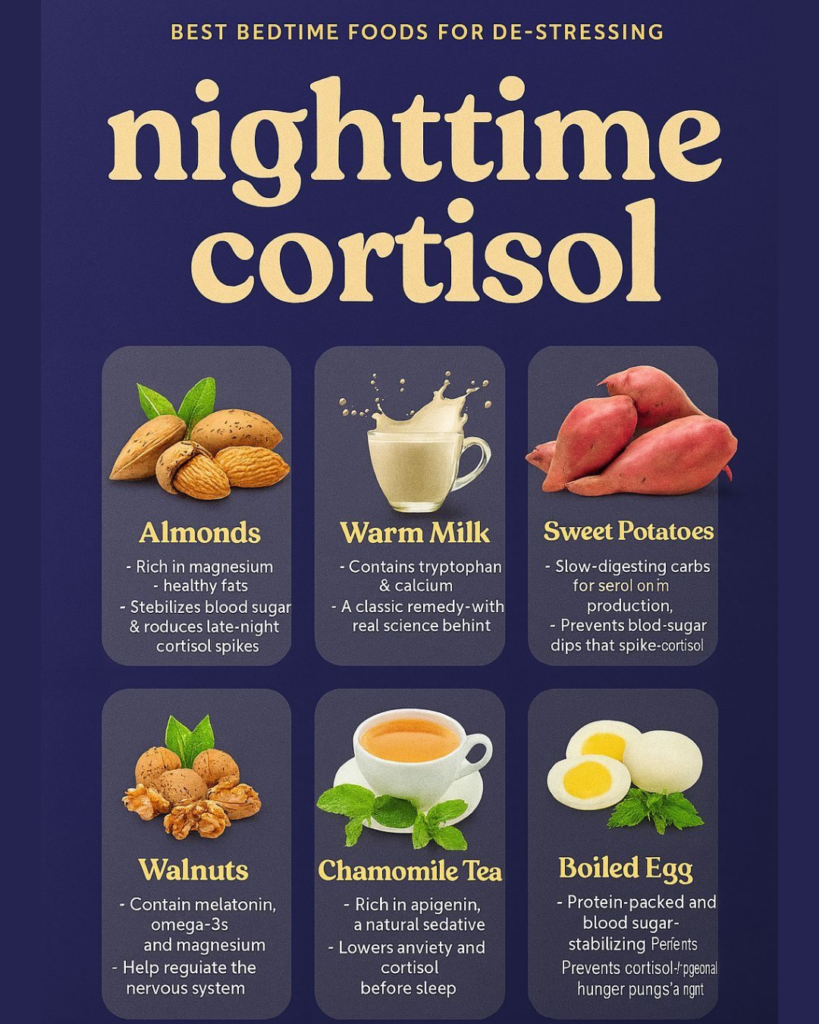
Foundation: How Food Influences Your Stress Levels
Before we fill our plates, it is essential to understand the biological link between what we eat and how we feel. Your brain relies on specific precursors found in food to produce “relaxation chemicals” like serotonin and melatonin.
The Gut-Brain Connection
Research suggests that nearly 95% of your serotonin—the hormone that stabilizes mood and promotes feelings of well-being—is produced in your gastrointestinal tract. When you consume the best bedtime foods for de-stressing, you are essentially sending a “calm down” signal directly to your nervous system. This is why a heavy, sugary snack can make you feel jittery, while a magnesium-rich almond butter toast can make you feel grounded.
Key Nutrients for Relaxation
- Magnesium: Known as “nature’s relaxant,” this mineral helps regulate neurotransmitters that quiet the brain.
- Tryptophan: An amino acid that acts as a precursor to serotonin and melatonin.
- Complex Carbohydrates: These help the tryptophan cross the blood-brain barrier more effectively.
- Antioxidants: These combat oxidative stress, which can spike when you are mentally taxed.
Addressing Hesitations
You might worry that eating before bed leads to weight gain or indigestion. The key is in the timing and the portion. We are focusing on small, nutrient-dense “micro-meals” rather than heavy feasts. By choosing the right [sleep-supportive nutrients], you actually support your metabolism by ensuring your body has the rest it needs to function correctly the next day.
Step-by-Step: Building Your Ideal De-Stress Snack
Creating a soothing bedtime snack is a simple process once you know the right combinations. You want to aim for a balance of protein and complex carbs about 45 to 60 minutes before you plan to sleep.
1. Choose Your Base
Start with a complex carbohydrate. This provides a steady release of energy and prevents middle-of-the-night blood sugar crashes.
- Options: A small bowl of oatmeal, a slice of whole-grain toast, or a few whole-wheat crackers.
2. Add the “Calm” Protein
Combine your base with a source of tryptophan or healthy fats. This pairing is crucial for the best bedtime foods for de-stressing because it ensures the amino acids reach your brain.
- Options: A tablespoon of almond butter, a small slice of turkey, or a dollop of Greek yogurt.
3. The “Sleep Hero” Add-ins
Top your snack with specific ingredients known for their high melatonin content.
- The Action: Sprinkle on some walnuts or enjoy a side of tart cherry juice. Tart cherries are one of the few natural sources of melatonin and have been shown to increase sleep time and efficiency.
4. Preparation Timing
- The Schedule: Prepare your snack early in the evening so you aren’t rushing. Use this time as a “transition ritual” to signal to your brain that the day is winding down.
Advanced Strategies: Pro Tips for Maximum Serenity
If you want to take your evening routine to the next level, consider these expert-level insights into food and stress management.
The Power of Warmth
The temperature of your food matters. Warm foods have a thermogenic effect that can be incredibly soothing to the nervous system. A warm bowl of [magnesium-rich oatmeal] topped with bananas is often more effective at de-stressing than a cold salad. The warmth promotes vasodilation, which can help lower your core body temperature—a natural signal to your brain that it is time to sleep.
Herbal Synergy
Don’t just eat; sip! Complement your bedtime food with herbal infusions.
- Chamomile: Contains apigenin, an antioxidant that binds to receptors in your brain that may promote sleepiness.
- Passionflower: May help increase levels of gamma-aminobutyric acid (GABA), a compound that lowers brain activity.
Featured Snippet: What is the single best food to eat before bed to reduce stress?
Tart cherries (or tart cherry juice) are widely considered the best bedtime food for de-stressing. They are a rare natural source of melatonin, the hormone that regulates your sleep-wake cycle. When paired with a handful of walnuts or almonds, which provide magnesium and healthy fats, they create a powerful chemical synergy that lowers cortisol and prepares the body for deep, restorative rest.
Troubleshooting: Overcoming Nighttime Obstacles
Even with the best intentions, some habits can undermine your de-stressing efforts. Here is how to navigate common challenges.
“I always wake up feeling bloated.”
- The Cause: You might be choosing foods that are too acidic or high in fiber right before lying down.
- The Solution: Avoid citrus fruits, spicy foods, or large portions of cruciferous vegetables like broccoli in your bedtime snack. Stick to the [easy-to-digest bedtime foods] like bananas or yogurt.
“I’m a ‘stress-eater’ and want to eat everything in the pantry.”
- The Cause: High cortisol levels increase cravings for sugar and fat.
- The Fix: Pre-portion your de-stress snack. Having a “set menu” for bedtime prevents impulsive eating. If you crave sweet things, choose dark chocolate (at least 70% cocoa), which contains antioxidants that can lower stress hormones, but keep it to a small square to avoid too much caffeine.
“Caffeine is still affecting me from my afternoon latte.”
- The Strategy: If you’ve had caffeine too late, focus on foods high in Vitamin C and fiber to help your body process it, but more importantly, increase your water intake.
- The Advice: Switch to a “Golden Milk” latte—turmeric, ginger, and warm plant milk—to soothe inflammation instead of reaching for more snacks.
Maximizing Results: The Holistic De-Stress Routine
The best bedtime foods for de-stressing work most effectively when they are part of a broader lifestyle strategy.
Consistent Sleep Windows
Try to eat your snack and go to bed at the same time every night. This regulates your circadian rhythm, making the nutrients in your food even more effective. Consistency is the secret to [long-term stress reduction].
Mindful Eating
Don’t eat your bedtime snack while scrolling through emails or watching a high-stakes thriller. Sit in a quiet place, focus on the flavors, and breathe. This activates the parasympathetic nervous system (the “rest and digest” mode), allowing your body to actually absorb the stress-fighting nutrients you are providing.
Environment Matters
Dim the lights while you enjoy your snack. Avoid blue light from screens, which inhibits melatonin production. By creating a dark, cool, and quiet environment, you amplify the biological effects of your [sleep-promoting diet].
Conclusion
Finding the best bedtime foods for de-stressing is a powerful way to reclaim your health and happiness. You have learned that simple choices—like reaching for tart cherries, almonds, or a warm bowl of oatmeal—can fundamentally change your body’s stress response. By pairing complex carbohydrates with tryptophan-rich proteins, you are giving your brain the tools it needs to find peace.
You are capable of transforming your nights from a source of anxiety into a source of strength. Start tonight with one small, soothing snack and feel the difference that mindful nutrition can make. You deserve a rest that truly restores you!