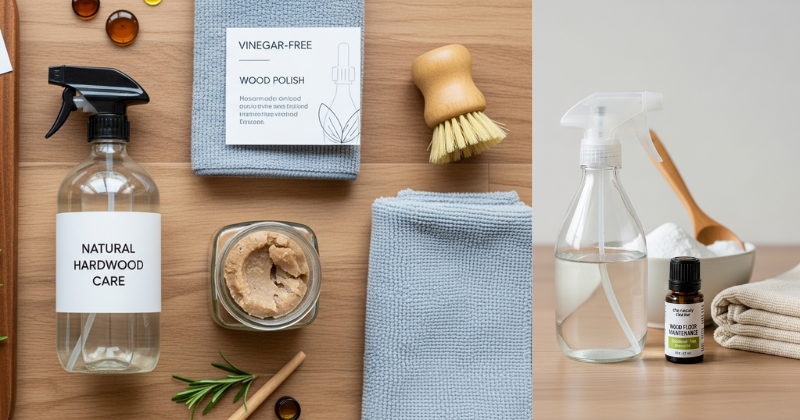
Learn how to make hardwood floor cleaner without vinegar to protect your home’s finish. Discover pH-neutral, DIY recipes that leave your floors sparkling and streak-free.
Have you ever spent a Saturday afternoon scrubbing your home, only to realize that the very cleaner you’re using might be slowly stripping away the beauty of your expensive wood floors? It is a common heart-sinking moment for many homeowners. For years, the “internet wisdom” has been to use vinegar and water, but the harsh truth is that the acidity in vinegar can dull and damage hardwood finishes over time. If you want to maintain that deep, lustrous glow without the risks of harsh chemicals or acidic DIYs, you are in the right place!
In this guide, you will unlock the secrets of professional-grade floor care using safe, simple, and affordable ingredients. We will walk through the science of why vinegar is a “no-go,” provide easy-to-follow recipes for a pH-neutral DIY cleaner, and share pro-level maintenance tips. By the end of this article, you will feel empowered to care for your home with confidence, knowing you are protecting your investment. Let’s transform your cleaning routine into a safe, satisfying success story!
Foundation: Why You Should Avoid Vinegar on Wood
Before we jump into the “how-to,” let’s build some confidence by understanding the “why.” Your hardwood floor isn’t just wood; it is a complex system of organic material protected by a delicate finish—usually polyurethane, lacquer, or oil.
The Problem with Acidity
Vinegar is a diluted form of acetic acid. While it is great for breaking down mineral deposits in a kettle, it is quite aggressive on wood finishes. When you apply vinegar, the acid begins to eat away at the chemical bonds of the protective sealant. Over time, this leads to a “cloudy” or dull appearance that no amount of buffing can fix. By learning how to make hardwood floor cleaner without vinegar, you are choosing a path that preserves the integrity of your home for the long haul.
Understanding pH Balance
The goal for wood care is to remain “pH-neutral.” Water sits at a neutral 7 on the pH scale. Vinegar is an acidic 2 or 3. The cleaners we will create today stay as close to neutral as possible, ensuring they lift dirt and grime without reacting with the finish.
Key Components of a Safe Cleaner
To replace vinegar, we use a few high-performing alternatives:
- Castile Soap: A plant-based soap that lifts dirt gently.
- Isopropyl (Rubbing) Alcohol: Helps the solution evaporate quickly to prevent water damage.
- Essential Oils: Adds a natural, fresh scent without synthetic perfumes.
Step-by-Step: The Best DIY Hardwood Floor Cleaner Recipes
Ready to mix your first batch? These methods are cost-effective and use ingredients you likely already have in your laundry room or pantry.
1. The “Daily Refresh” Castile Soap Blend
This is the gold standard for routine cleaning. It is gentle, non-toxic, and incredibly effective.
- The Mix: Combine 2 cups of warm (not hot) distilled water with 1 teaspoon of liquid Castile soap.
- The Secret Ingredient: Add 1/2 cup of 70% isopropyl alcohol. This ensures the floor dries instantly, which is the “Pro Tip” for preventing wood warping.
- The Action: Pour into a spray bottle and shake gently.
2. The “Deep Clean” Plant-Based Solution
If your floors have seen a lot of foot traffic or have sticky residue from spills, try this slightly stronger version.
- The Mix: 1 gallon of warm water, 2 tablespoons of Sal Suds (a stronger plant-based cleaner) or a mild dish soap, and 10 drops of lemon essential oil.
- The Action: Use this with a microfiber mop that has been wrung out until it is barely damp. Remember: moisture is the enemy of wood!
3. Execution Tips for Success
- Sweep First: Always remove loose grit before mopping to prevent scratching.
- Spray and Go: Instead of a bucket, use a spray bottle. This allows you to control the amount of liquid used, ensuring the wood never gets “soaked.”
- Follow the Grain: Always mop in the direction of the wood grain for a streak-free finish.
Advanced Strategies: Pro Tips for a Mirror-Like Shine
Now that you have the basic recipe, let’s take your skills to the next level. Professionals use these creative solutions to customize their approach based on the specific type of wood finish.
Essential Oil Customization
Don’t just settle for a “clean” smell; use oils that offer secondary benefits.
- Cedarwood and Pine: These complement the natural scent of the wood.
- Tea Tree Oil: Offers mild antifungal properties, perfect for high-humidity areas like kitchens.
- Lavender: Creates a calming atmosphere after a long day of chores.
The Microfiber Advantage
If you are still using a cotton string mop, it’s time for an upgrade. Microfiber pads are designed to trap dust at a microscopic level. They require less water to work effectively, which is the most important factor in [preventing hardwood water damage]. Keep 3-4 pads on hand so you can switch to a fresh one as soon as the first becomes soiled.
Featured Snippet: What is the best alternative to vinegar for cleaning hardwood floors?
The best alternative to vinegar for hardwood floors is a pH-neutral solution consisting of 2 cups of distilled water, 1 teaspoon of Castile soap, and 1/2 cup of isopropyl alcohol. This mixture effectively lifts dirt and grease while evaporating quickly to prevent streaks and finish damage. Unlike vinegar, this solution will not dull the wood’s protective sealant over time.
Troubleshooting: Common Hardwood Challenges
Even with the perfect cleaner, you might encounter some stubborn obstacles. Don’t worry—there is always a safe solution!
“My floors look streaky after cleaning.”
- The Cause: You might be using too much soap, or your water is “hard” (full of minerals).
- The Fix: Always use distilled water in your DIY mix to ensure a mineral-free finish. If streaks persist, reduce the amount of soap in your recipe. A little goes a long way!
“There are scuff marks that won’t come up.”
- The Cause: Rubber soles or furniture movement.
- The Solution: Use a clean tennis ball! Rub the scuff mark gently with the felt surface of the ball. It acts as a gentle eraser that won’t harm the finish.
“The wood looks dry or thirsty.”
- The Advice: DIY cleaners clean, but they don’t “polish.”
- The Strategy: If your floor is truly dull, it may need a [hardwood recoating] or a specific wood-safe oil treatment. Avoid using wax-based products on polyurethane finishes, as they create a sticky buildup that is difficult to remove.
Maximizing Results: Long-Term Maintenance Tips
Understanding how to make hardwood floor cleaner without vinegar is just the beginning. To keep your floors looking new for decades, follow these complementary strategies.
Use Entryway Mats
The best way to keep floors clean is to keep the dirt out. Place high-quality mats at every entrance. This catches the grit and sand that act like sandpaper on your floor’s finish. It’s a simple change that reduces your cleaning time by half!
Humidity Control
Wood is a living material that breathes. If your home is too dry, the wood shrinks; if it’s too humid, it swells. Aim to keep your home’s humidity between 35% and 55%. This prevents the gaps and “cupping” that can make cleaning difficult.
The “Barely Damp” Rule
Repeat this as a mantra: Damp, not wet. If you see standing water on your floor after mopping, you are using too much liquid. Use a dry microfiber cloth to buff any damp spots immediately. This ensures the [longevity of the wood planks] and keeps the seams tight.
Conclusion
Mastering the art of how to make hardwood floor cleaner without vinegar is a major win for your home and your wallet. You have discovered that you don’t need harsh acids to achieve a professional shine. By using pH-neutral ingredients like Castile soap and alcohol, you are effectively protecting the life of your floors while ensuring a safe environment for your family and pets.
You have the capability to maintain a stunning home through simple, intentional DIY choices. Start by mixing your spray bottle today and experience the satisfaction of a clean that actually preserves beauty rather than destroying it. Your floors have never been in better hands!