
Explore how a $2 kitchen seed stops nerve pain using a potent pepper extract. This comprehensive analysis reveals the science behind this natural neuropathic solution.
Important Disclaimer: This article is for informational purposes only and should not replace professional advice. For health-related topics, consult healthcare providers. For financial or legal matters, seek qualified professional guidance. For safety procedures, verify current best practices and local regulations. Individual results may vary, and personal circumstances should always be considered when implementing any suggestions.
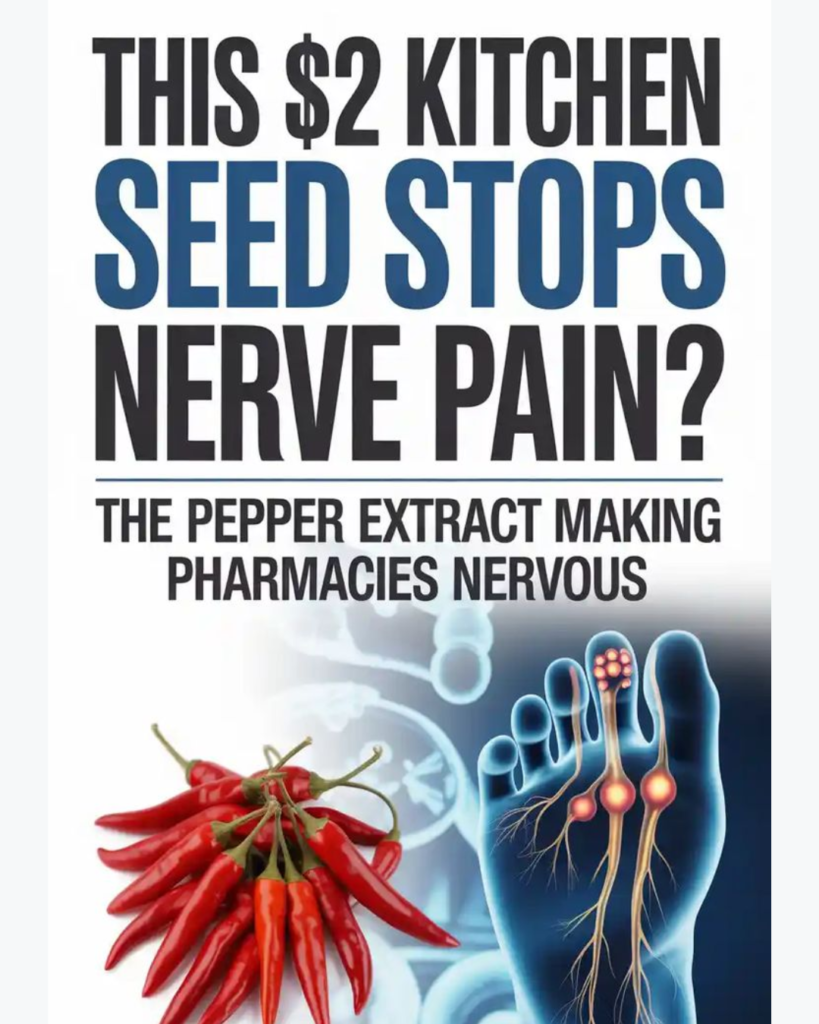
The quest for effective relief from chronic discomfort often leads patients down a path of expensive prescriptions and synthetic interventions. However, a growing body of researchers and health enthusiasts are turning their attention back toward the spice cabinet. The provocative question, “This $2 kitchen seed stops nerve pain?” has sparked a digital firestorm, centering on a specific pepper extract that some claim is making pharmacies nervous. At the heart of this movement is the humble chili pepper seed and its most potent derivative: capsaicin.
Neuropathic pain, characterized by shooting, stabbing, or burning sensations, affects millions worldwide. It is notoriously difficult to treat because it involves the nervous system itself misfiring. While modern medicine often relies on anticonvulsants or antidepressants to dampen these signals, the biochemical potential of pepper-derived compounds offers a different mechanism of action. By understanding the molecular bridge between a common kitchen staple and neural pathways, we can begin to see why this affordable extract is gaining such authoritative momentum in the wellness community.
What is the specific pepper extract associated with nerve pain relief?
The primary compound found within the seeds and membranes of various Capsicum annum species—commonly known as chili peppers—is capsaicin. While many recognize it as the source of “heat” in spicy food, its chemical structure $C_{18}H_{27}NO_{3}$ allows it to interact specifically with the peripheral nervous system. When extracted and concentrated, this substance becomes a pharmaceutical-grade tool for managing chronic discomfort.
The reason this extract is linked to the idea of a “$2 kitchen seed” is its ubiquity. Unlike rare botanical extracts found only in remote rainforests, the raw materials for capsaicin are available in every grocery store for a nominal cost. However, the extract used in clinical settings is far more refined than simply crushing dried peppers. It is an alkaloid that targets the physiological roots of how we perceive painful stimuli, offering a localized alternative to systemic medications.
How does capsaicin interact with the nervous system to stop pain?
The mechanism by which this pepper extract functions is a fascinating example of biological irony. Initially, capsaicin causes a burning sensation, but its long-term effect is the desensitization of pain receptors. This occurs through its interaction with the Transient Receptor Potential Vanilloid 1 (TRPV1) receptor, often referred to as the “capsaicin receptor.”
The process of desensitization
When the extract is applied to the skin or consumed, it binds to the TRPV1 receptors located on the ends of sensory neurons. This binding opens a channel that allows calcium ions to flow into the neuron, initially signaling “heat” or “pain” to the brain. However, prolonged or repeated exposure leads to a state called “functional desensitization.” Essentially, the nerve fiber becomes exhausted and temporarily loses its ability to transmit pain signals.
Substance P depletion
Another critical component of this process is the depletion of Substance P. This is a neuropeptide that acts as a neurotransmitter, carrying pain messages from the peripheral nerves to the central nervous system. Clinical studies suggest that the regular use of pepper extract reduces the local supply of Substance P. Without this chemical messenger, the “alarm” of nerve pain cannot reach the brain as effectively, providing a window of relief for those suffering from conditions like shingles or diabetic neuropathy.
Why are pharmacies and pharmaceutical companies concerned about this trend?
The narrative that a “kitchen seed is making pharmacies nervous” stems from the disruption of the traditional medical economy. For decades, the market for neuropathic pain has been dominated by high-cost, patented drugs. If a significant portion of the population discovers that a $2 kitchen seed stops nerve pain through a simple extract, it threatens the profit margins of these established entities.
Furthermore, capsaicin-based treatments are often available over-the-counter (OTC) in the form of creams, patches, and tinctures. Because these do not always require a prescription, they bypass the lucrative middleman of the pharmaceutical supply chain. While pharmacies do sell these products, the shift from high-margin prescriptions to low-cost natural extracts represents a significant change in consumer behavior. The pharmaceutical industry often relies on “complex” solutions, yet the simplicity of a pepper extract challenges the necessity of expensive, synthetic alternatives.
Which types of nerve pain respond best to pepper extract?
Not all pain is created equal, and the efficacy of capsaicin is most pronounced in specific types of neuropathy. Research indicates that localized, peripheral nerve issues are the most responsive to this botanical intervention.
Post-Herpetic Neuralgia (PHN)
One of the most studied applications for this pepper extract is the pain following a shingles outbreak. PHN involves damaged nerve fibers that send confused and exaggerated pain signals to the brain. High-concentration capsaicin patches have shown remarkable success in “resetting” these fibers.
Diabetic Neuropathy
Millions of individuals with diabetes suffer from “pins and needles” sensations in their hands and feet. Because the pepper extract can be applied topically as a cream, it provides targeted relief without the side effects associated with oral medications, such as dizziness or fatigue. This makes it an attractive option for those managing the complex medication loads often required for chronic illness.
How can you safely use pepper seeds and extracts at home?
While the idea of a $2 kitchen seed is appealing, safety is paramount when dealing with concentrated capsaicin. It is an irritant by nature, and mishandling it can lead to severe discomfort.
- Start with low concentrations: Most OTC creams contain 0.025% to 0.1% capsaicin. This allows the nerves to desensitize gradually without overwhelming the user with initial burning.
- Barrier protection: If handling raw pepper seeds to create a homemade tincture, always wear gloves. The oils can stay on the skin for hours and cause extreme irritation if they come into contact with the eyes or mucous membranes.
- Consistency is key: Unlike an aspirin that works in 30 minutes, capsaicin requires cumulative use. It can take one to two weeks of consistent application to deplete Substance P and achieve a state of desensitization.
What does the clinical research say about the effectiveness of this seed?
The scientific community has rigorously tested the claim that this pepper extract stops nerve pain. A meta-analysis published in the Cochrane Database of Systematic Reviews evaluated the use of high-concentration capsaicin for chronic neuropathic pain. The results indicated that for a significant minority of patients, the extract provided high levels of pain relief that other treatments could not match.
Moreover, the Nobel Prize in Physiology or Medicine in 2021 was awarded to researchers who discovered the TRPV1 receptors through their work with capsaicin. This validates the technical precision of the “pepper seed” theory. It is no longer just a “folk remedy”; it is a scientifically recognized pathway for sensory modulation. The evidence suggests that while it may not be a “cure-all,” it is a potent tool in the arsenal of pain management.
What are the potential side effects and limitations of pepper extract?
Despite the enthusiastic narrative, it is important to maintain a balanced perspective on the limitations of using a pepper extract. The most common side effect is a localized burning or stinging sensation at the site of application. While this is a sign that the compound is working, some users find it intolerable.
Additionally, the relief is not permanent. Once the application of the extract stops, the nerves eventually regain their sensitivity and Substance P levels return to normal. This means that for chronic conditions, the “kitchen seed” solution requires long-term commitment. There is also the risk of skin irritation or “capsaicin dermatitis” for those with sensitive skin. Users must weigh the benefit of nerve pain reduction against the temporary discomfort of the application process.
How to integrate natural extracts into a comprehensive pain management plan?
Achieving success with natural interventions like pepper extract often requires a multi-faceted approach. Rather than relying solely on one “miracle seed,” it is more effective to use it as part of a broader strategy that includes anti-inflammatory nutrition, physical therapy, and stress management.
For example, combining the topical application of capsaicin with a diet rich in Omega-3 fatty acids can address nerve pain from both the outside in and the inside out. Omega-3s help reduce the systemic inflammation that can exacerbate nerve sensitivity, while the pepper extract handles the localized signal dampening. By viewing the $2 kitchen seed as a high-value component of a larger wellness puzzle, you can unlock a higher quality of life without being entirely dependent on the traditional pharmaceutical model.
The evidence surrounding the use of pepper extract for neuropathic discomfort is compelling. From the molecular biology of the TRPV1 receptor to the cost-saving potential of a kitchen staple, it is clear why this topic has garnered such intense interest. While it may make pharmacies nervous by offering a low-cost alternative to synthetic drugs, for the individual sufferer, it represents a beacon of hope. By understanding the science and applying it with care, you can harness the power of this humble seed to reclaim control over your body and your health.