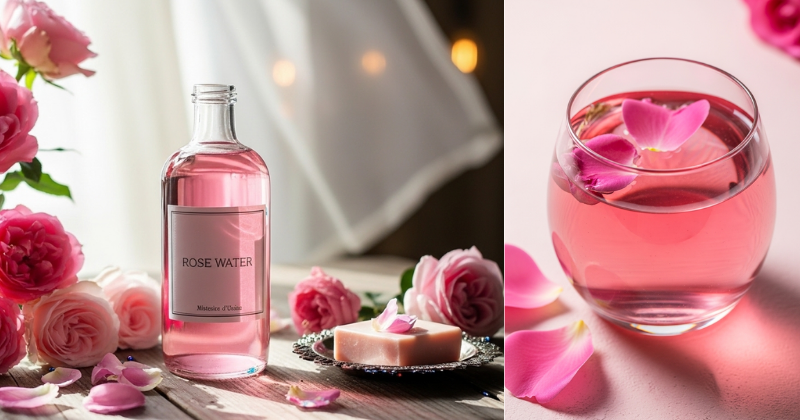
Rose water has been treasured across civilizations for over a thousand years — used in Persian royal courts, Ayurvedic medicine, Middle Eastern cuisine, and European skincare rituals long before modern cosmetic science existed. Today it remains one of the most versatile natural preparations you can make at home, serving simultaneously as a facial toner, culinary flavoring, hair treatment, linen spray, and mood-lifting aromatic mist. The extraordinary news is that making genuine, high-quality rose water at home requires no specialized equipment, minimal time, and costs a tiny fraction of commercial alternatives — while producing a product that’s fresher, purer, and more potent than anything sitting on a store shelf. This complete guide walks you through exactly how to make rose water using three distinct methods, helping you choose the right approach for your roses, your equipment, and your intended use.

Understanding Rose Water: What It Is and Why Homemade Wins
Rose water is an aqueous solution containing the water-soluble aromatic compounds extracted from rose petals — primarily phenylethyl alcohol (PEA), geraniol, citronellol, nerol, and rose oxide, among dozens of minor constituents. These volatile and semi-volatile compounds are responsible for both the characteristic fragrance and the documented biological activities of rose water, including mild anti-inflammatory, astringent, and antioxidant properties.
The Chemistry Behind Rose Water’s Benefits
The primary active compound in rose water, phenylethyl alcohol (PEA), constitutes 60-75% of rose essential oil and exhibits measurable antimicrobial activity against several common skin pathogens, including Staphylococcus epidermidis and Propionibacterium acnes. This partly explains rose water’s traditional use as a facial toner — it provides genuine, if mild, antimicrobial benefit alongside its pH-moderating astringent properties.
Flavonoids present in rose petals, including quercetin and kaempferol derivatives, provide antioxidant activity that transfers partially into rose water during extraction. These compounds neutralize reactive oxygen species that contribute to UV-induced skin aging and inflammatory skin conditions. Research published in the Journal of Ethnopharmacology documented significant anti-inflammatory activity in Rosa damascena petal extracts, validating what traditional medicine practitioners from Iran to India have known empirically for centuries.
Why Homemade Rose Water Outperforms Commercial Versions
Commercial rose water products frequently contain preservatives (methylparaben, propylparaben, phenoxyethanol), synthetic rose fragrance added to amplify scent, and water that has sat in plastic or glass packaging for months or years. The volatile aromatic compounds responsible for fragrance and many bioactive properties are precisely that — volatile. They degrade steadily over time through oxidation and evaporation. Freshly made rose water, used within its optimal window, contains a significantly richer aromatic profile than any commercially packaged alternative. You’re capturing the essence of the rose at its freshest and using it before degradation diminishes its quality.
Choosing the Right Roses for Making Rose Water
The single most important variable in rose water quality is the roses themselves. Not all roses produce equally fragrant or effective rose water, and the pesticide status of your petals matters enormously for any product going on skin or into food.
Best Rose Varieties for Rose Water Production
Rosa damascena — the Damask rose — is universally regarded as producing the finest rose water and rose oil, and has been cultivated specifically for this purpose in Bulgaria’s Rose Valley, Turkey’s Isparta region, and Iran’s Kashan area for centuries. Its extraordinarily complex fragrance profile and high PEA content make it the gold standard. If you can source Damask rose petals, either from your own garden or from a local grower, your rose water will be exceptional.
Other fragrant varieties that perform well include Rosa centifolia (the cabbage rose, widely used in French perfumery), Rosa gallica (the apothecary’s rose, one of the oldest cultivated roses with strong fragrance), and many David Austin English roses bred specifically for complex, intense fragrance — varieties like Gertrude Jekyll, Munstead Wood, and Olivia Rose Austin contain sufficient aromatic compounds for excellent rose water.
Modern hybrid tea roses bred primarily for visual appeal and disease resistance often contain little aromatic compound — their petals may produce rose water that smells faintly of nothing in particular. The crucial test is simple: crush a petal between your fingers. If the fragrance is immediate, intense, and complex, those roses will make excellent rose water. If the scent is faint or nonexistent, the resulting rose water will disappoint regardless of method used.
Sourcing Petals Safely
For skin application or culinary use, pesticide-free petals are non-negotiable. Roses from conventional florists and supermarkets are among the most heavily pesticided flowers in commercial agriculture — they’re grown for appearance, not consumption, and receive frequent chemical treatments. Use only petals from your own untreated garden, certified organic sources, or roses from someone you know doesn’t spray chemicals. Harvest in the morning after dew has dried but before midday heat causes aromatic compound volatilization — this is when petal fragrance concentration peaks.
Three Methods for Making Rose Water at Home
Method 1: The Simple Steeping Method (Fastest, Easiest)
This method produces good rose water quickly with zero special equipment. It’s the right choice for beginners, for small batches, and when you want rose water ready the same day.
What you need: 1 cup fresh rose petals (or ½ cup dried), 2 cups distilled water, a saucepan with lid, fine mesh strainer or cheesecloth, glass storage bottle.
Step 1: Gently rinse your rose petals under cool water to remove any dust or debris. Shake off excess water.
Step 2: Place petals in a small saucepan and pour distilled water over them. Use distilled rather than tap water — tap water minerals and chlorine interfere with both the fragrance and shelf stability of your rose water.
Step 3: Heat on the lowest possible flame — you want the water barely simmering, with only occasional small bubbles. Never bring to a full boil, as vigorous boiling drives off the volatile aromatic compounds you’re trying to capture. Maintain this gentle heat for 20-30 minutes until the petals have lost most of their color, transferring it into the water.
Step 4: Remove from heat, keep the lid on, and allow to cool completely — 1-2 hours. The cooling period with lid on allows condensed steam carrying aromatic compounds to drip back into the water rather than escaping.
Step 5: Strain through fine mesh or cheesecloth, pressing petals gently to extract all liquid. Bottle in a clean glass container. Refrigerate immediately.
Yield: Approximately 1.5-1.75 cups of rose water. Refrigerated shelf life: 1-2 weeks. Add 1 teaspoon of vegetable glycerin as a natural preservative to extend to 3-4 weeks.
Method 2: The Steam Distillation Method (Highest Quality)
This method captures aromatic compounds more completely and produces rose water closer in character to commercially distilled versions. The setup requires a bit more creativity but no specialized equipment.
What you need: Large pot with domed lid, heat-safe bowl that fits inside the pot, ice, 3-4 cups fresh rose petals, distilled water, glass collection bottle.
Step 1: Place the heat-safe bowl in the center of a large pot. Surround the bowl (but don’t fill it) with rose petals and enough distilled water to cover the petals to about 1 inch depth.
Step 2: Invert the pot lid and place it upside down on the pot — the dome now faces downward, creating a central collection point where condensed steam will drip. Fill the inverted lid with ice.
Step 3: Bring the water to a gentle simmer on medium-low heat. As steam rises from the petal-water mixture, it carries aromatic compounds upward. The steam hits the cold inverted lid, condenses, and drips down into the central collection bowl.
Step 4: Maintain a steady gentle simmer for 45-60 minutes, refreshing the ice on the lid every 15-20 minutes to maintain the temperature differential that drives condensation. Check the bowl periodically — this is your rose water collecting in real time.
Step 5: Allow everything to cool completely before carefully removing the collection bowl. Bottle and refrigerate the distilled rose water immediately.
Yield: ½ to 1 cup of concentrated, high-quality rose water. The smaller volume is more concentrated in aromatic compounds than the steeping method produces. Refrigerated shelf life: 3-4 weeks.
Method 3: The Cold Infusion Method (Most Gentle, Best for Sensitive Skin)
Cold infusion preserves the most delicate aromatic compounds that degrade under heat, producing a lighter, more subtle rose water ideal for sensitive skin applications and culinary use where delicate flavor is desired.
What you need: 1 cup fresh petals, 2 cups distilled water, glass jar with tight lid, refrigerator.
Step 1: Place clean, dry rose petals in a clean glass jar. Pour room-temperature distilled water over them, ensuring all petals are submerged.
Step 2: Seal the jar and refrigerate for 24-48 hours. The cold temperature slows bacterial growth during the extraction period while allowing gradual migration of water-soluble compounds from petals into the water.
Step 3: Strain, pressing petals to extract all infused liquid. Bottle in a clean glass container and return to refrigeration immediately.
Yield: Approximately 1.75 cups of light, delicate rose water. This version is the most gentle and the most perishable — use within 1 week for best quality.
Pro-Level Rose Water Techniques and Customizations
Once you’ve mastered the basic methods, these refinements elevate your rose water from good to exceptional.
Extending and Enhancing With Complementary Botanicals
Rose water becomes even more versatile when you infuse complementary botanicals alongside the petals. Adding 2 tablespoons of dried lavender buds to the steeping method creates a calming, antimicrobial blend with enhanced skin-soothing properties — excellent for sensitive or reactive skin. A few strips of cucumber peel added to the cold infusion method contributes additional silica and mild astringent compounds that complement rose water’s toning properties beautifully. For culinary applications, a single cardamom pod added during steeping creates a subtly spiced rose water that transforms Middle Eastern and South Asian desserts with an authentic depth of flavor.
Glycerin Addition for Skincare Applications
Adding 1-2 teaspoons of food-grade vegetable glycerin per cup of finished rose water simultaneously preserves the product and enhances its skincare functionality. Glycerin is a powerful humectant — it draws atmospheric moisture toward skin and binds it in the stratum corneum, reducing transepidermal water loss. Rose water with glycerin forms the base of countless DIY facial toners, setting sprays, and hair moisture treatments. The glycerin addition extends refrigerated shelf life to 4-6 weeks and room-temperature shelf life (in a spray bottle for daily use) to 1-2 weeks.
Troubleshooting Common Rose Water Challenges
Even simple preparations encounter specific problems. Here’s how to identify and resolve the most common issues.
Rose Water With Weak or Absent Fragrance
If your finished rose water smells faint or watery, the cause is almost certainly the roses rather than the method. Lightly fragrant modern hybrid roses simply don’t contain sufficient aromatic compounds to produce strongly scented rose water regardless of technique. Your options are to source more fragrant rose varieties for future batches, to concentrate existing rose water by gentle simmering in an uncovered pan until volume reduces by half, or to add 1-2 drops of pure rose absolute or rose otto essential oil to finished rose water — this isn’t traditional distillation but produces a usable, fragrant product from petals that couldn’t deliver it independently.
Cloudy or Discolored Rose Water
Slight cloudiness is normal and harmless — it indicates the presence of suspended aromatic compounds including waxes and pigments from petals. If cloudiness bothers you aesthetically, filter through a coffee filter during bottling to remove fine particulates. Distinctly pink or red rose water indicates high anthocyanin content from deeply colored petals — this is also harmless and indicates antioxidant richness. Green or brown discoloration after several days of storage indicates oxidation or microbial growth; discard and make a fresh batch, ensuring all equipment is scrupulously clean and storage is consistently refrigerated.
Very Short Shelf Life
Rose water without preservatives is genuinely perishable because it provides an excellent growth medium for microorganisms — water with trace organic compounds at roughly neutral pH. Extending shelf life requires one or more of: refrigeration (essential), glycerin addition (1-2 teaspoons per cup), a small amount of witch hazel (1 tablespoon per cup, which also adds astringent toning benefit), or vitamin E oil (3-4 drops per cup, adding antioxidant preservation). For facial sprays kept at room temperature for daily convenience, make small batches and replace weekly.
Making the Most of Your Rose Water: Uses and Long-Term Integration
Rose water rewards you with versatility that justifies the small time investment required to make it regularly throughout rose season.
Skincare Applications That Transform Your Routine
As a facial toner, apply rose water with a cotton pad after cleansing to balance skin pH from the alkaline soap wash back toward skin’s natural mildly acidic range (4.5-5.5). This pH restoration improves the effectiveness of serums and moisturizers applied afterward by ensuring they’re working in an optimal skin environment. As a makeup setting spray, transfer rose water to a fine-mist spray bottle and spritz lightly over finished makeup — the hydrosol creates a dewy, fresh finish while the mild astringency sets makeup without dehydrating. For under-eye puffiness, soak cotton pads in cold rose water and apply to closed eyes for 10 minutes — the combined cold temperature and mild astringency temporarily reduces puffiness through vasoconstriction and tissue tightening.
Preserving the Rose Season Through Batch Making
Roses bloom intensively for a relatively short window — typically 4-8 weeks depending on your climate and variety. Make the most of this abundance by producing larger batches for long-term storage. Rose water freezes exceptionally well — pour into ice cube trays, freeze solid, then transfer to freezer bags. Individual cubes thaw in minutes and deliver fresh-quality rose water year-round. Each cube from a standard tray provides approximately 1 tablespoon — perfect for adding to cooking, dropping into a glass of water, or melting for a single facial application. This seasonal batch approach means one productive weekend during peak bloom supplies rose water for an entire year.
Conclusion
Making rose water at home connects you to one of humanity’s oldest and most beloved natural preparations — and the result is genuinely superior to anything you can buy. You now have three complete methods matched to different roses, equipment, and intended uses, plus the knowledge to troubleshoot any challenge and customize your formula for specific applications. Start with the simple steeping method this week using the most fragrant roses you can find. Once you experience the quality difference of fresh, pure homemade rose water in your skincare routine or cooking, you’ll find yourself looking forward to rose season every year with an entirely new kind of appreciation.