Discover how Feed Your Beauty: Nutritional Secrets for a Healthy Glow can transform your skin, strengthen hair and nails, and enhance radiance from within.
Have you ever invested in expensive skincare products, only to feel like something was still missing? Creams can hydrate the surface, serums can brighten temporarily—but true radiance begins much deeper. Your glow is not just applied. It is built.
The concept behind Feed Your Beauty: Nutritional Secrets for a Healthy Glow is simple yet profound: your skin, hair, and nails reflect your internal nutritional status. Every cell renewal, every collagen fiber, and every strand of hair depends on what you consistently provide your body.
In this guide, you will uncover the science-backed nutritional strategies that support luminous skin, resilient hair, and long-term beauty from within. No extreme detoxes. No miracle shortcuts. Just evidence-based nourishment that works with your biology.
Let’s explore how to feed your beauty the right way.
Important Disclaimer: This article is for informational purposes only and should not replace professional medical advice. For persistent skin, hair, or health concerns, consult a qualified healthcare provider. Individual results may vary.
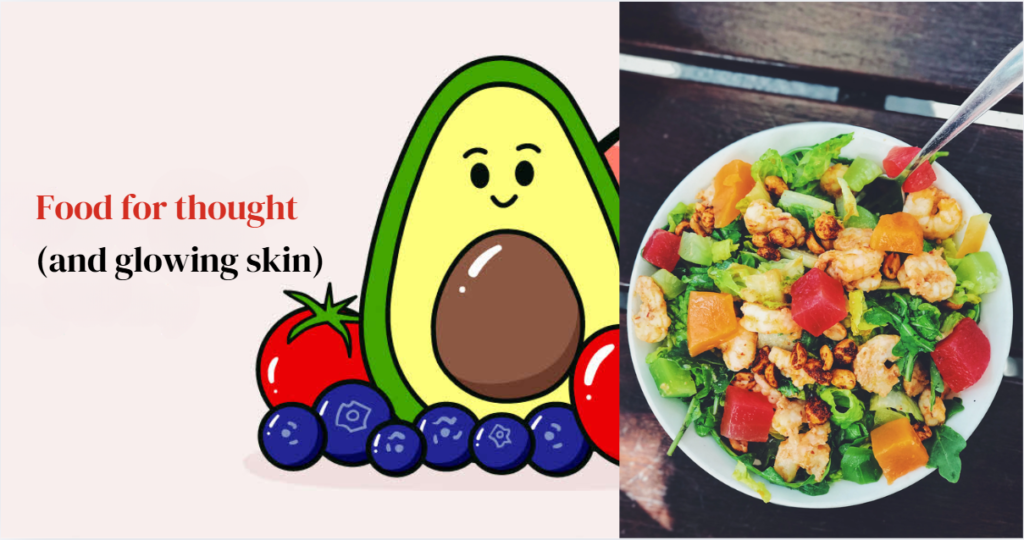
Section 1: What Does It Really Mean to “Feed Your Beauty”?
Beauty is not superficial—it is cellular.
Your skin regenerates approximately every 28 days. Hair follicles are among the most metabolically active structures in the body. Nails grow continuously. All of these processes require protein, essential fats, vitamins, minerals, hydration, and antioxidant protection.
When nutrient intake is insufficient, the body prioritizes vital organs. Skin glow, hair thickness, and nail strength become secondary. The result? Dull complexion, breakouts, brittle nails, or thinning hair.
Feeding your beauty means consistently supplying the building blocks required for:
- Collagen production
- Cellular repair
- Hormonal balance
- Inflammation control
- Hydration maintenance
Radiance is not random—it is metabolically earned.
H3: Beauty as a Reflection of Internal Balance
Hormones, blood sugar stability, gut health, and inflammation all influence your appearance. Nutrition affects each of these systems simultaneously.
Section 2: Which Nutrients Are Essential for Glowing Skin?
Certain nutrients directly support skin structure and clarity.
Vitamin C – The Collagen Activator
Vitamin C is essential for collagen synthesis. Without it, collagen fibers weaken. Citrus fruits, bell peppers, strawberries, and kiwi provide powerful sources.
Beyond collagen, vitamin C also acts as an antioxidant, protecting skin cells from oxidative stress caused by pollution and UV exposure.
Omega-3 Fatty Acids – The Hydration Enhancers
Omega-3s help maintain the skin barrier by supporting lipid membranes. Fatty fish, flaxseeds, and walnuts contribute to smoother, more hydrated skin.
Zinc – The Clarity Mineral
Zinc regulates inflammation and supports wound healing. It plays a key role in managing acne and skin repair. Found in pumpkin seeds, legumes, and seafood, it is often overlooked.
Consistent intake—not sporadic supplementation—produces visible changes over time.
Section 3: How Does Protein Influence Skin and Hair Health?
Protein is often associated with muscle—but it is equally critical for beauty.
Hair is primarily composed of keratin, a structural protein. Collagen, which provides skin elasticity, is also protein-based. Without adequate protein intake, hair may thin and skin may lose firmness.
H3: Amino Acids as Beauty Builders
Specific amino acids such as glycine, proline, and lysine support collagen production. These are found in:
- Eggs
- Lean meats
- Legumes
- Dairy
- Bone broth
If protein intake is too low, the body redirects amino acids toward essential survival functions.
Beauty requires sufficient supply.
Section 4: What Role Does Gut Health Play in a Healthy Glow?
Your skin is often described as a mirror of your gut.
The gut microbiome influences inflammation, immune response, and nutrient absorption. When gut balance is disrupted, skin conditions such as acne, eczema, and dullness may worsen.
H3: Feed the Microbiome
Prebiotic fibers from foods like oats, garlic, onions, and bananas nourish beneficial bacteria.
Probiotic-rich foods such as yogurt with live cultures, kefir, and fermented vegetables help diversify gut flora.
H3: Reduce Inflammatory Triggers
Highly processed foods, excess sugar, and artificial additives can disrupt gut integrity. Gradually replacing them with whole foods enhances both digestion and skin clarity.
Healthy digestion equals efficient nutrient delivery to skin cells.
Section 5: How Do Antioxidants Protect Your Glow?
Every day, your skin faces oxidative stress from UV exposure, pollution, and metabolic processes. Free radicals damage collagen and accelerate visible aging.
Antioxidants neutralize these free radicals.
Key Antioxidant-Rich Foods:
- Berries (anthocyanins)
- Dark leafy greens (beta-carotene)
- Green tea (polyphenols)
- Dark chocolate (flavonoids)
These compounds reduce cellular stress and support long-term skin resilience.
Feeding your beauty means protecting it at the molecular level.
Section 6: Which Dietary Patterns Promote Long-Term Radiance?
Individual nutrients matter—but dietary patterns matter more.
The Mediterranean-style pattern, rich in vegetables, fruits, whole grains, olive oil, nuts, and fish, consistently correlates with lower inflammation and healthier skin aging.
This approach provides:
- Balanced omega-3 intake
- High antioxidant density
- Fiber for gut health
- Stable blood sugar
Restrictive crash diets often worsen skin and hair health due to nutrient deficiencies and stress hormone spikes.
Radiance thrives in balance—not deprivation.
Section 7: How Does Hydration Impact Skin Elasticity and Glow?
Water supports circulation, nutrient delivery, and toxin elimination. Even mild dehydration can make skin appear dull or tight.
However, hydration is not just about drinking water.
H3: Internal and External Hydration
Water-rich foods such as cucumbers, watermelon, and leafy greens contribute to hydration.
Electrolytes—sodium, potassium, magnesium—also regulate fluid balance at the cellular level.
When hydration is optimized, skin appears fuller and more luminous.
Section 8: What Lifestyle Factors Amplify Nutritional Beauty Benefits?
Nutrition forms the foundation—but lifestyle completes the equation.
Sleep Quality
During deep sleep, growth hormone stimulates tissue repair and collagen formation. Chronic sleep deprivation accelerates aging.
Blood Sugar Stability
Frequent glucose spikes increase glycation, a process that damages collagen and reduces skin elasticity. Balanced meals prevent this.
Stress Management
Chronic stress elevates cortisol, which can impair skin barrier function and trigger breakouts.
Beauty is a reflection of systemic harmony.
When sleep, stress, and nutrition align, glow follows naturally.
Conclusion: True Radiance Is Nourished, Not Applied
Feed Your Beauty: Nutritional Secrets for a Healthy Glow reminds us that lasting radiance begins beneath the surface.
Glowing skin, strong hair, and resilient nails require:
- Adequate protein
- Essential fatty acids
- Antioxidant-rich foods
- Micronutrient sufficiency
- Balanced gut health
- Consistent hydration
Instead of chasing cosmetic quick fixes, focus on feeding your cells daily. Choose whole foods rich in color and diversity. Stabilize blood sugar. Prioritize sleep. Hydrate intelligently.
Beauty is not built overnight—but it is built meal by meal.
Start today:
Add berries to breakfast. Include leafy greens at lunch. Choose healthy fats at dinner.
Your glow is not something you apply.
It is something you nourish.