Discover how The Healing Power of Red: Antioxidant-Rich Foods supports cellular protection, reduces inflammation, and promotes long-term health through science-backed nutrition.
Walk through any fresh produce market and you will notice something striking: the deepest reds often signal the richest nutrients. From ruby pomegranates to vibrant tomatoes and dark crimson berries, red foods are more than visually appealing—they are biologically powerful.
The Healing Power of Red: Antioxidant-Rich Foods lies in their dense concentration of protective compounds such as lycopene, anthocyanins, and resveratrol. These phytochemicals defend cells against oxidative stress, modulate inflammation, and support cardiovascular, cognitive, and metabolic health.
In this comprehensive guide, you will explore how red-colored foods work at a cellular level, which compounds drive their benefits, and how to integrate them strategically into your daily routine. The science behind their color is the science behind their healing potential.
What Are Antioxidants and Why Are They Essential for Human Health?
To understand the healing power of red, we must first understand oxidative stress.
Every day, your body generates reactive oxygen species (ROS) as a byproduct of metabolism. External factors—pollution, UV radiation, processed foods, chronic stress—further increase this oxidative burden. When ROS accumulate beyond the body’s defense capacity, they damage DNA, proteins, and lipids.
Antioxidants neutralize these unstable molecules, preventing cellular injury.
Red foods are particularly rich in plant-derived antioxidants known as polyphenols and carotenoids. These compounds:
- Donate electrons to neutralize free radicals
- Reduce inflammatory signaling pathways
- Protect cell membranes from lipid peroxidation
- Support mitochondrial efficiency
Without adequate antioxidant intake, long-term oxidative stress contributes to aging and chronic disease development.
Thus, antioxidant-rich red foods are not cosmetic additions—they are foundational protective agents.
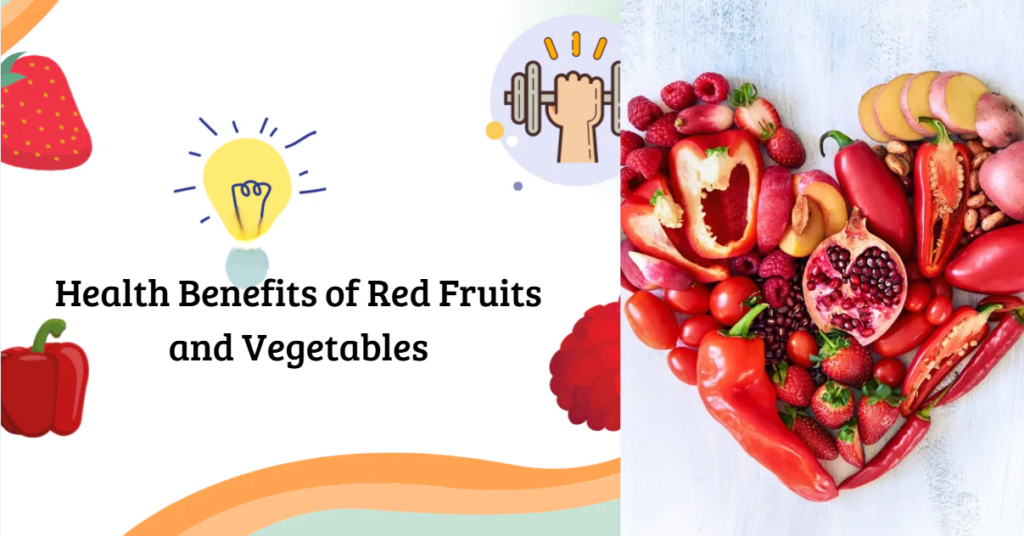
Which Phytochemicals Give Red Foods Their Healing Properties?
The color red in plant foods is not accidental; it reflects specific bioactive compounds.
Lycopene
Lycopene is a carotenoid responsible for the red hue in tomatoes and watermelon. It has been extensively studied for its cardiovascular and prostate-supportive effects. Lycopene accumulates in tissues where it helps reduce oxidative damage and inflammation.
Anthocyanins
Found in red berries, cherries, and red cabbage, anthocyanins are flavonoids with potent antioxidant capacity. They support vascular health, improve endothelial function, and may enhance cognitive performance.
Resveratrol
Present in red grapes and certain berries, resveratrol has attracted attention for its potential role in longevity pathways. It influences sirtuin activity, which is involved in cellular repair mechanisms.
Ellagic Acid
Common in pomegranates and raspberries, ellagic acid exhibits anti-inflammatory and protective effects against oxidative DNA damage.
These phytochemicals work synergistically. Whole foods provide a matrix of compounds that isolated supplements cannot replicate.
How Do Red Antioxidant-Rich Foods Support Cardiovascular Health?
Cardiovascular disease remains one of the leading global health concerns. Oxidative stress and inflammation are key contributors to arterial damage.
Red foods contribute protection in several ways:
Improved Endothelial Function
Anthocyanins enhance nitric oxide availability, which relaxes blood vessels and improves circulation.
Reduced LDL Oxidation
Oxidized LDL cholesterol plays a central role in plaque formation. Lycopene and polyphenols reduce LDL oxidation, lowering arterial stress.
Anti-Inflammatory Effects
Chronic low-grade inflammation accelerates vascular aging. The phytochemicals in red foods modulate inflammatory markers such as C-reactive protein.
Population studies consistently associate higher intake of fruits and vegetables—especially deeply colored varieties—with lower cardiovascular risk.
How Does the Healing Power of Red Influence Cognitive Function?
The brain is highly susceptible to oxidative damage due to its high oxygen consumption and lipid-rich composition.
Anthocyanin-rich berries have been shown in clinical research to improve memory performance and slow cognitive decline in aging populations. These compounds cross the blood-brain barrier and localize in brain regions associated with learning and memory.
Red antioxidant-rich foods support cognitive health by:
- Reducing neuroinflammation
- Enhancing synaptic plasticity
- Protecting neurons from oxidative injury
Emerging research suggests that consistent intake may contribute to long-term brain resilience.
Which Red Foods Provide the Highest Antioxidant Density?
While many red foods offer benefits, some stand out for their phytochemical concentration.
Tomatoes
Especially when cooked, tomatoes release more bioavailable lycopene. Tomato paste and sauces often contain higher concentrations than raw slices.
Pomegranates
Rich in punicalagins and ellagic acid, pomegranates offer strong antioxidant and anti-inflammatory effects.
Strawberries and Raspberries
These berries combine anthocyanins, vitamin C, and fiber, creating a multi-layered protective profile.
Cherries
Particularly tart cherries, known for anthocyanin content and potential sleep-supporting properties.
Red Grapes
Provide resveratrol alongside other polyphenols.
Variety maximizes benefit. Each food contributes unique compounds that complement one another.
How Do Red Foods Reduce Systemic Inflammation?
Inflammation is a natural immune response. However, when it becomes chronic, it damages tissues and accelerates aging.
Polyphenols found in red foods influence inflammatory signaling pathways such as NF-κB and cytokine production. By downregulating excessive inflammatory responses, these compounds help maintain tissue integrity.
Additionally, fiber present in many red fruits supports gut microbiota. Beneficial gut bacteria ferment fiber into short-chain fatty acids, which further reduce systemic inflammation.
Thus, the healing power of red extends beyond direct antioxidant activity—it includes immune modulation and gut health support.
Which Dietary Patterns Enhance the Benefits of Antioxidant-Rich Red Foods?
Red foods are most effective when integrated into a balanced dietary pattern.
The Mediterranean dietary model, abundant in fruits, vegetables, olive oil, nuts, and legumes, consistently correlates with lower oxidative stress markers. Red foods fit seamlessly within this structure.
Combining red foods with healthy fats enhances absorption of fat-soluble carotenoids such as lycopene. For example:
- Tomato sauce with olive oil
- Strawberries paired with yogurt
- Pomegranate seeds in a mixed salad with nuts
Synergy amplifies impact.
Consistency, not occasional consumption, determines long-term outcomes.
What Are Practical Strategies to Incorporate More Red Foods Daily?
Sustainable integration is essential.
Morning
Add berries to oatmeal or yogurt. Blend strawberries into smoothies.
Midday
Include cherry tomatoes in salads or sandwiches.
Evening
Cook tomato-based dishes with olive oil to enhance lycopene absorption.
Snacks
Choose fresh cherries or sliced red apples over processed options.
Aim for color diversity. The broader the spectrum of plant pigments consumed, the wider the range of protective compounds.
Conclusion: Why the Healing Power of Red Matters for Long-Term Vitality
The Healing Power of Red: Antioxidant-Rich Foods is not a marketing phrase—it is rooted in biochemistry.
Red plant foods provide lycopene, anthocyanins, resveratrol, and ellagic acid—compounds that neutralize oxidative stress, reduce inflammation, protect cardiovascular health, and support cognitive longevity.
In a world where environmental stressors constantly challenge cellular stability, antioxidant-rich red foods act as biological defenders. They protect DNA integrity, preserve vascular flexibility, and enhance neural resilience.
Begin with simple changes:
Add berries to breakfast. Incorporate tomatoes into meals. Sprinkle pomegranate seeds onto salads.
Color is more than aesthetic. In the case of red, it signals potent protective power.
Feed your cells wisely. Let your plate reflect vitality.