
You’ve been feeling anxious, sleeping poorly, waking with muscle cramps, and struggling to concentrate — and your doctor, your colleagues, and perhaps your own internal narrative attribute all of it to stress. But here’s the biochemically significant possibility that most people never consider: an estimated 50% of Americans consume less magnesium than their bodies require daily, and the physiological consequences of this deficiency produce a symptom constellation that is clinically indistinguishable from chronic stress to the untrained eye. Magnesium deficiency and chronic psychological stress don’t merely mimic each other — they actively perpetuate each other through bidirectional neuroendocrine feedback loops. Understanding which of your symptoms might trace to magnesium insufficiency rather than life circumstances represents a genuinely transformative insight, because one of these is addressable through targeted nutritional intervention in a matter of weeks.
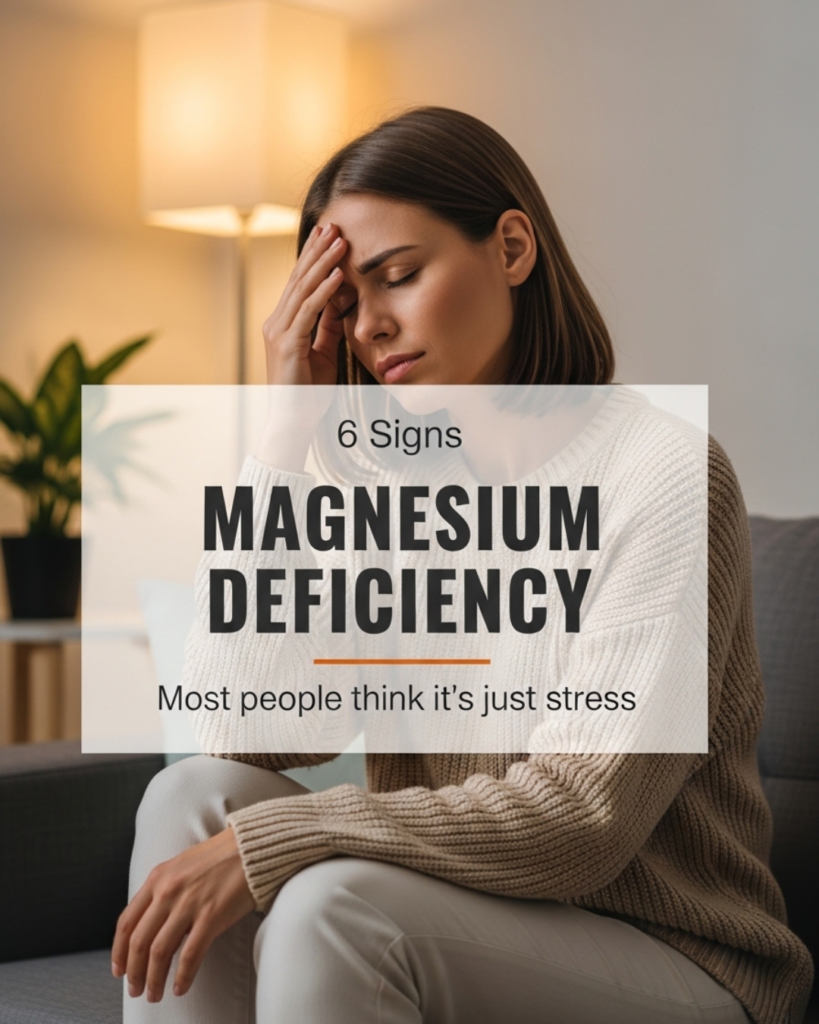
Why Magnesium Deficiency Is So Widely Misattributed
The fundamental reason magnesium deficiency symptoms are systematically misread as stress responses lies in the biochemical centrality of magnesium to the very systems that govern stress physiology.
Magnesium’s Role in the Stress Response Architecture
Magnesium functions as a cofactor in over 300 enzymatic reactions throughout human physiology — a figure that understates its importance because the reactions it governs include the synthesis of ATP (the universal cellular energy currency), DNA replication, protein synthesis, and critically, the regulation of the hypothalamic-pituitary-adrenal (HPA) axis that controls cortisol production. Magnesium modulates NMDA receptors — glutamate-gated ion channels that regulate neuronal excitability — by acting as a voltage-dependent channel blocker. When intracellular magnesium concentrations are adequate, NMDA receptor activity is appropriately modulated, limiting excessive neuronal firing and the anxiety, hypervigilance, and sensory sensitivity that accompany it.
The bidirectional stress-magnesium relationship creates a particularly insidious trap. Psychological stress activates the sympathetic nervous system and HPA axis, triggering catecholamine release that increases urinary magnesium excretion by 25-40%. Each stressful period thus depletes magnesium, which then amplifies the body’s physiological stress reactivity, which further depletes magnesium — a self-reinforcing cycle that makes distinguishing cause from effect genuinely difficult without biochemical assessment.
The Assessment Problem
Standard serum magnesium testing — the test most commonly ordered when magnesium deficiency is suspected — captures only approximately 1% of total body magnesium, since the vast majority resides intracellularly (in muscle, bone, and soft tissue). Serum magnesium remains within the reference range (0.75-0.95 mmol/L) until intracellular depletion is severe, meaning standard testing frequently misses clinically significant magnesium insufficiency. More sensitive assessment methods — red blood cell magnesium, ionized magnesium, or magnesium loading tests — capture a more accurate picture but are rarely ordered in routine clinical settings. This diagnostic gap means many individuals with genuine magnesium deficiency receive normal lab results and are redirected toward psychological explanations for their symptoms.
The Six Signs: Mechanisms Behind Each Misattributed Symptom
Sign 1: Persistent Anxiety and Hyperreactivity to Everyday Stressors
The anxiety that accompanies magnesium deficiency is mechanistically distinct from but phenomenologically identical to psychological anxiety — you cannot distinguish them from the inside. Magnesium’s voltage-dependent blockade of NMDA receptors normally prevents excessive glutamatergic neurotransmission in the amygdala, hippocampus, and prefrontal cortex. When magnesium is insufficient, this regulatory block weakens, allowing excessive calcium ion influx through NMDA channels that produces sustained neuronal hyperexcitability. The result is an amygdala that fires more readily in response to minimal provocation, generating anxiety responses disproportionate to situational triggers.
Simultaneously, magnesium modulates GABA-A receptor sensitivity — the inhibitory neurotransmitter system that produces calming effects. Insufficient magnesium reduces GABAergic tone, further shifting the excitatory-inhibitory balance toward excessive neural activation. The pattern that emerges — anxiety that feels inexplicable in intensity, reactivity to sensory stimuli (noise, light, temperature), and an inability to “come down” from stressful situations — is neurologically identical to the hyperarousal produced by magnesium insufficiency. The critical distinguishing thought is this: if your anxiety persists consistently in the absence of identifiable psychological triggers and doesn’t respond to stress management techniques, magnesium status deserves investigation.
Sign 2: Sleep Disruption That Doesn’t Improve With Sleep Hygiene
Stress is commonly and legitimately invoked as an explanation for poor sleep — but the specific sleep disturbance pattern associated with magnesium deficiency has distinguishing characteristics that signal its nutritional rather than psychological origin. Magnesium supports sleep through two primary mechanisms: it activates GABA receptors (promoting the neural quieting that enables sleep onset) and it regulates melatonin synthesis by serving as a cofactor for the enzyme arylalkylamine N-acetyltransferase (AANAT), which catalyzes a rate-limiting step in melatonin production from serotonin.
Individuals with magnesium deficiency characteristically experience difficulty maintaining sleep in the second half of the night — frequent awakening between 2-4 AM, inability to return to sleep, and early morning arousal with significant fatigue despite adequate time in bed. This contrasts with stress-related sleep disruption, which more commonly impairs sleep onset. Additionally, magnesium-deficient sleep frequently involves vivid, disturbing dreams and hypnic jerks (sudden muscular contractions at sleep onset), reflecting the heightened neuronal excitability that magnesium normally suppresses. If your sleep disruption persists despite consistent sleep schedules, bedroom optimization, and stress reduction, and particularly if you experience the second-half-of-night awakening pattern, magnesium status is a highly plausible contributing factor.
Sign 3: Muscle Cramps, Twitching, and Unexplained Physical Tension
The “my muscles are tense because I’m stressed” explanation is frequently correct — but when muscle tension is persistent, accompanied by involuntary twitching (fasciculations) or nocturnal leg cramps, and located in specific muscle groups rather than distributed as generalized postural tension, magnesium deficiency becomes the more biochemically compelling explanation. Magnesium is essential for muscle relaxation at the cellular level. Following a muscle contraction, calcium ions must be pumped back from the cytoplasm into the sarcoplasmic reticulum — a process requiring ATP and, critically, magnesium-activated calcium-ATPase enzymes. Without adequate magnesium, calcium removal from muscle cells is impaired, producing sustained contraction states that manifest as cramps, spasms, and persistent tightness.
The classic presentation involves leg cramps occurring at night (when the body’s magnesium requirements for sleep-related metabolic processes compete with muscular needs), eyelid twitching (orbicularis oculi fasciculations), and tension in the jaw, neck, and shoulder muscles that doesn’t release with massage or stretching. Importantly, this muscular hyperexcitability responds to magnesium supplementation within days to a few weeks — a timeframe significantly faster than the months typically required for psychological stress-related muscle tension to resolve through behavioral intervention.
Sign 4: Cognitive Fog, Poor Concentration, and Memory Lapses
Brain fog is perhaps the most nonspecific symptom in medicine, attributed with roughly equal frequency to stress, thyroid dysfunction, sleep deprivation, depression, and nutritional deficiencies. Magnesium’s role in cognitive function is underappreciated but mechanistically substantial. Magnesium ions maintain long-term potentiation (LTP) — the synaptic strengthening mechanism underlying learning and memory formation — by regulating NMDA receptor activity in the hippocampus. Specifically, magnesium threonate (a blood-brain barrier-permeable magnesium form) has demonstrated in research by Slutsky et al. published in Neuron that increasing brain magnesium concentrations enhances both short-term working memory and long-term memory retention through synaptic density improvements in the prefrontal cortex and hippocampus.
The cognitive symptoms of magnesium deficiency typically manifest as difficulty sustaining attention during tasks requiring concentration, reduced working memory capacity (losing your train of thought mid-sentence, forgetting why you walked into a room), and a subjective sense of mental sluggishness that persists even after adequate sleep. This contrasts with stress-related cognitive impairment, which tends to be more variable — fluctuating with stress intensity and improving substantially during lower-stress periods. Consistent, unremitting cognitive fog that doesn’t correlate with identifiable stressors suggests investigating magnesium status.
Sign 5: Heart Palpitations and Irregular Heartbeat Sensations
This symptom deserves particular emphasis because it frequently generates significant anxiety in those experiencing it — creating another feedback loop where the symptom worsens the deficiency causing it. Magnesium is essential for cardiac electrophysiology: it maintains the resting membrane potential of cardiac cells by regulating the sodium-potassium ATPase pump, modulates calcium channel activity in the sinoatrial node (the heart’s natural pacemaker), and influences the duration of the cardiac action potential. Insufficient magnesium allows excessive calcium influx into cardiac cells, producing spontaneous depolarizations that manifest as ectopic beats — the premature contractions felt as skipped beats, fluttering sensations, or brief periods of rapid irregular rhythm.
Research published in the American Journal of Clinical Nutrition documents that dietary magnesium intake inversely predicts cardiac arrhythmia risk, with individuals in the lowest quartile of magnesium intake showing significantly elevated rates of atrial and ventricular ectopy. The clinical presentation most associated with magnesium insufficiency involves palpitations occurring at rest or during the transition from activity to rest (particularly when lying down), a pattern reflecting the vagal dominance of rest states combined with insufficient magnesium buffering of cardiac cell excitability. These sensations are commonly attributed to anxiety or caffeine sensitivity — and while both can contribute, magnesium deficiency is a biochemically specific and correctable cause that deserves evaluation.
Sign 6: Chronic Fatigue That Sleep Doesn’t Restore
The defining characteristic of magnesium deficiency-related fatigue that distinguishes it from stress-related exhaustion is its non-restorative quality — you sleep what should be adequate hours and wake feeling unrefreshed, with energy that depletes rapidly through the morning and reaches a low point in the early afternoon. This specific pattern reflects magnesium’s centrality to mitochondrial ATP synthesis. Magnesium is required for the conversion of ADP back to ATP — the cellular energy recycling reaction that powers virtually all biological processes. ATP exists biologically as the Mg-ATP complex; without adequate magnesium, ATP synthesis efficiency decreases, cellular energy production falls, and fatigue manifests at a fundamental metabolic level rather than as simple tiredness from insufficient sleep.
Additionally, magnesium activates multiple enzymes in the citric acid cycle (including isocitrate dehydrogenase and alpha-ketoglutarate dehydrogenase) that generate the electron carriers feeding the electron transport chain. Suboptimal magnesium status therefore impairs oxidative phosphorylation at multiple steps, producing fatigue whose intensity is disproportionate to physical or mental demands and that doesn’t respond predictably to caffeine. When fatigue is accompanied by multiple other signs from this list, the pattern points strongly toward magnesium insufficiency as an underlying contributor.
Addressing Magnesium Deficiency: A Systematic Approach
Dietary Sources and Bioavailability Considerations
The most sustainable approach to correcting magnesium deficiency is dietary optimization targeting foods with both high magnesium content and favorable bioavailability. Dark leafy greens (spinach: 157mg per cooked cup), pumpkin seeds (150mg per ounce), almonds (80mg per ounce), black beans (120mg per cup), and dark chocolate (64mg per ounce) represent the most magnesium-dense commonly available foods. The key bioavailability consideration involves phytate content — phytic acid in whole grains and legumes binds magnesium in insoluble complexes that reduce absorption. Soaking, sprouting, or fermenting these foods before consumption reduces phytate content by 30-70%, significantly improving magnesium bioavailability from plant sources.
Soil depletion from modern agricultural practices has reduced the magnesium content of many vegetables by 25-80% compared to mid-20th century values — a factor that complicates meeting requirements through diet alone even for individuals consuming apparently magnesium-rich foods. This agricultural context, combined with the high prevalence of gastrointestinal conditions that impair mineral absorption (inflammatory bowel disease, celiac disease, type 2 diabetes) and medications that increase magnesium excretion (proton pump inhibitors, diuretics, metformin), explains why dietary optimization alone is insufficient for many people.
Supplementation Strategies: Form Selection Matters Critically
Magnesium supplementation effectiveness varies enormously between chemical forms — a nuance that explains why many people report no benefit from magnesium supplements they’ve tried. Magnesium oxide (the most common form in inexpensive supplements) has bioavailability of only 4%, making it essentially ineffective for correcting intracellular deficiency despite its high elemental magnesium content on the label. Magnesium glycinate (magnesium bound to glycine) provides 80% bioavailability, is gentle on the digestive system, and is particularly appropriate for anxiety and sleep applications because glycine itself has calming neurotransmitter effects. Magnesium threonate crosses the blood-brain barrier most effectively and is specifically indicated when cognitive symptoms are prominent. Magnesium malate (bound to malic acid — a citric acid cycle intermediate) is particularly suited for fatigue and muscular symptoms.
Starting dose for most adults is 200-400mg of elemental magnesium daily in a bioavailable form, taken with food to reduce the laxative effect that higher doses can produce. Dividing the dose — 100-200mg in the morning and 200mg in the evening — distributes the supplemental load and reduces gastrointestinal effects while supporting both daytime energy metabolism and nighttime sleep quality.
Distinguishing Magnesium Deficiency From Pure Stress
Diagnostic Clues in the Symptom Pattern
Several pattern characteristics favor magnesium deficiency over psychological stress as the primary explanation. Physical symptoms (muscle cramps, fasciculations, palpitations) that accompany the psychological symptoms (anxiety, poor sleep, cognitive fog) increase the likelihood of a nutritional contributor — stress produces primarily psychological and autonomic symptoms, while magnesium deficiency produces both. Symptom persistence during low-stress periods — vacations, weekends, or generally calm life phases — suggests a physiological substrate that doesn’t resolve with stress reduction. Disproportionate fatigue relative to actual sleep duration and physical activity level is characteristic of impaired cellular energy metabolism rather than simple stress-related depletion.
Response to therapeutic magnesium supplementation provides the most practical diagnostic confirmation: genuine magnesium deficiency symptoms typically show meaningful improvement within 2-6 weeks of adequate supplementation with a bioavailable form, while stress-mediated symptoms require addressing the underlying stressors for sustainable resolution.
Maximizing Long-Term Magnesium Status
Building sustainable magnesium sufficiency requires addressing the multiple factors that deplete it simultaneously. Reducing dietary sugar and alcohol (both increase urinary magnesium excretion), managing chronic stress through evidence-based practices (stress depletes magnesium through catecholamine-mediated urinary losses), optimizing vitamin D status (vitamin D and magnesium interact reciprocally — each facilitates the other’s utilization), and ensuring adequate intake of cofactors including vitamin B6 (which enhances intracellular magnesium retention) creates the comprehensive nutritional environment for lasting magnesium sufficiency.
Conclusion
The six signs described here — anxiety, sleep disruption, muscle tension and cramps, cognitive fog, heart palpitations, and non-restorative fatigue — form a symptom constellation that simultaneously describes chronic stress and magnesium deficiency, making clinical attribution genuinely challenging without targeted investigation. The transformative insight is that while you cannot change your life circumstances overnight, you can address magnesium status through dietary optimization and targeted supplementation within weeks — and if magnesium insufficiency is contributing to your symptoms, that intervention can produce meaningful improvements in how you feel, think, and sleep while you simultaneously work on the psychological and circumstantial dimensions of stress. Start with dietary assessment, choose a bioavailable supplemental form if needed, and give the intervention 4-6 weeks of consistent application before evaluating results.
Important Disclaimer: This article is for informational purposes only and should not replace professional advice. For health-related topics, consult healthcare providers before beginning supplementation. Individual results may vary. Heart palpitations warrant medical evaluation to rule out primary cardiac causes before attributing them to nutritional deficiency.