Discover the science behind nori, a nutrient-dense seaweed that offers powerful benefits for immunity, metabolism, heart health, and overall wellness.
Nori, the dark green edible seaweed most commonly seen wrapped around sushi rolls, is more than just a culinary delicacy—it is a nutrient powerhouse. Packed with vitamins, minerals, antioxidants, and bioactive compounds, nori offers wide-ranging health benefits that extend from cellular protection to metabolic support. As interest in functional foods grows, nori emerges as a superfood that seamlessly combines taste, versatility, and evidence-based health benefits.
Section 1: What Is Nori and How Is It Cultivated?
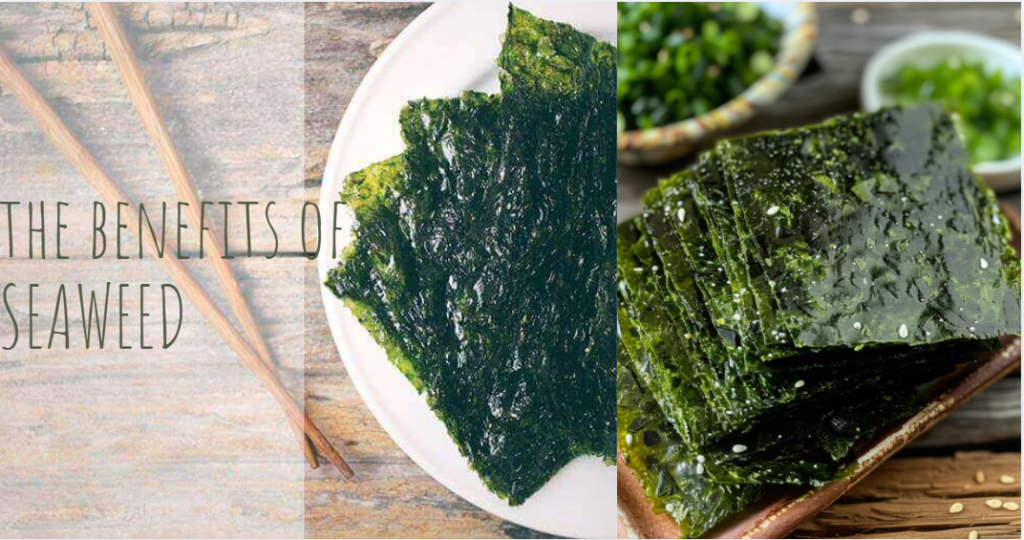
Nori is a type of red algae (Porphyra species) cultivated primarily in the coastal waters of Japan, Korea, and China. Its nutritional profile is shaped by both natural ocean conditions and careful processing methods:
- Processing: Nori is harvested, washed, shredded, and then pressed into thin sheets. Minimal heat ensures preservation of delicate vitamins and antioxidants.
- Mineral Density: Because nori absorbs nutrients from seawater, it is naturally rich in iodine, iron, calcium, and magnesium.
- Vitamins: High in B vitamins, especially B12, riboflavin, and folate, which support metabolism and cellular function.
H3: Types of Nori
There are various grades of nori based on texture, flavor, and color. Darker, finer sheets are usually richer in bioactive compounds, making them the preferred choice for both culinary and nutritional purposes.
Section 2: How Does Nori Support Thyroid Function?
Iodine is critical for the production of thyroid hormones, which regulate metabolism, energy, and growth. Nori provides a concentrated, natural source of iodine:
- Thyroid Hormone Synthesis: Regular intake of iodine-rich nori supports proper T3 and T4 hormone production.
- Preventing Deficiency: Insufficient iodine can lead to hypothyroidism, fatigue, and metabolic slowdown.
- Balanced Intake: While beneficial, moderation is key, as excessive iodine may disrupt thyroid function in sensitive individuals.
By incorporating nori into a balanced diet, one can naturally support endocrine health without relying on synthetic supplements.
Section 3: Which Antioxidant Properties Promote Cellular Health?
Nori is a rich source of antioxidants that protect cells from oxidative stress and aging:
- Vitamin C and Vitamin E: Both play a role in neutralizing free radicals and promoting collagen synthesis.
- Polyphenols and Flavonoids: Bioactive compounds reduce inflammation and support cardiovascular and neurological health.
- Chlorophyll and Carotenoids: These pigments have detoxifying properties and assist in maintaining healthy skin and vision.
Consuming nori regularly may contribute to longevity and decreased risk of chronic diseases associated with oxidative damage.
Section 4: How Does Nori Aid Heart Health?
Cardiovascular disease remains a global health concern, and nori offers several heart-protective mechanisms:
- Blood Lipid Regulation: Soluble fibers and bioactive compounds in nori help lower LDL cholesterol while maintaining HDL.
- Blood Pressure Support: Potassium-rich seaweed contributes to vascular relaxation and blood pressure regulation.
- Anti-Inflammatory Effects: Polyphenols reduce systemic inflammation, a major contributor to atherosclerosis.
Regular consumption of nori aligns with dietary strategies aimed at maintaining cardiovascular health and reducing disease risk.
Section 5: Which Nutrients Support Immune Function?
Nori is packed with vitamins and minerals that strengthen immune defenses:
- Zinc and Selenium: Essential for white blood cell production and antioxidant enzyme activity.
- Vitamin B12: Supports DNA synthesis and red blood cell formation, particularly important for plant-based diets.
- Polysaccharides: Bioactive sugars in nori modulate immune signaling and may enhance resistance to pathogens.
Integrating nori into meals can enhance the immune system’s ability to respond to environmental stressors.
Section 6: How Does Nori Benefit Digestive Health?
Nori contains unique fibers and polysaccharides that support gut health:
- Prebiotic Effects: Fibers nourish beneficial gut bacteria, improving microbiome diversity.
- Digestive Regularity: Insoluble fibers aid in bowel movement consistency and prevent constipation.
- Gut-Brain Axis Support: A balanced microbiome contributes to reduced systemic inflammation and improved mental well-being.
These properties make nori a functional food that not only nourishes but also promotes gastrointestinal resilience.
Section 7: Which Role Does Nori Play in Weight Management?
Despite its low calorie density, nori provides satiety and metabolic benefits:
- High Fiber Content: Promotes a feeling of fullness, helping to moderate appetite.
- Nutrient Density: Supplies essential vitamins and minerals without excessive calories.
- Metabolic Support: Iodine and B vitamins enhance energy metabolism and thermogenesis.
By including nori in snacks, salads, and meals, individuals can support healthy weight management while enjoying a flavorful ingredient.
Section 8: How to Incorporate Nori into Your Daily Diet
To maximize the health benefits of nori, consider these culinary strategies:
- Sushi and Wraps: Traditional sushi rolls are a popular and practical option.
- Snacks: Lightly roasted nori sheets make a low-calorie, nutrient-rich snack.
- Seasoning: Crumbled nori can be sprinkled over soups, salads, and grains for added flavor and nutrition.
- Combining with Healthy Fats: Pairing nori with olive oil or avocado improves absorption of fat-soluble vitamins.
Moderate and consistent consumption ensures both safety and maximum nutrient uptake.
Conclusion: From Sea to Plate – A Functional Superfood
Nori exemplifies the potential of ocean-sourced foods to enhance human health. Its combination of minerals, vitamins, antioxidants, fibers, and bioactive compounds provides comprehensive support for thyroid function, cardiovascular health, immune resilience, digestive wellness, and metabolic balance. Regularly incorporating high-quality nori into meals is an evidence-based strategy for boosting overall wellness, offering a delicious and practical path to functional nutrition.
Important Disclaimer
This article is intended for informational purposes only and should not replace medical advice. Consult a healthcare professional before making dietary changes, particularly if you have thyroid conditions, allergies, or are on medication. Individual responses may vary.