Discover how estrogen, often called “Ezzie” in wellness circles, influences everything from energy and mood to heart, bone, and brain health, with insights backed by science.
Estrogen is often misunderstood as merely a reproductive hormone, yet its influence extends far beyond reproductive health. From regulating metabolism and bone density to supporting cardiovascular function and cognitive clarity, this hormone plays a pivotal role in the female body. Understanding estrogen’s functions, fluctuations, and signs of imbalance can empower individuals to take proactive steps toward overall wellness. This article explores the science behind estrogen—affectionately called “Ezzie”—and reveals how this hormone shapes health at every stage of life.
Section 1: What Is Estrogen and How Does It Work?
Estrogen is a steroid hormone primarily produced in the ovaries, though small amounts are also synthesized in the adrenal glands and fat tissue. It operates through estrogen receptors found throughout the body, influencing the function of multiple organ systems.
H3: Types of Estrogen
- Estradiol (E2): The most potent form, dominant during reproductive years.
- Estrone (E1): Predominant after menopause.
- Estriol (E3): Mainly present during pregnancy.
H3: Mechanisms of Action
Estrogen binds to estrogen receptors in target tissues, triggering gene expression changes that affect cellular growth, metabolism, and tissue repair. Its signaling impacts the brain, bones, heart, liver, and reproductive organs.
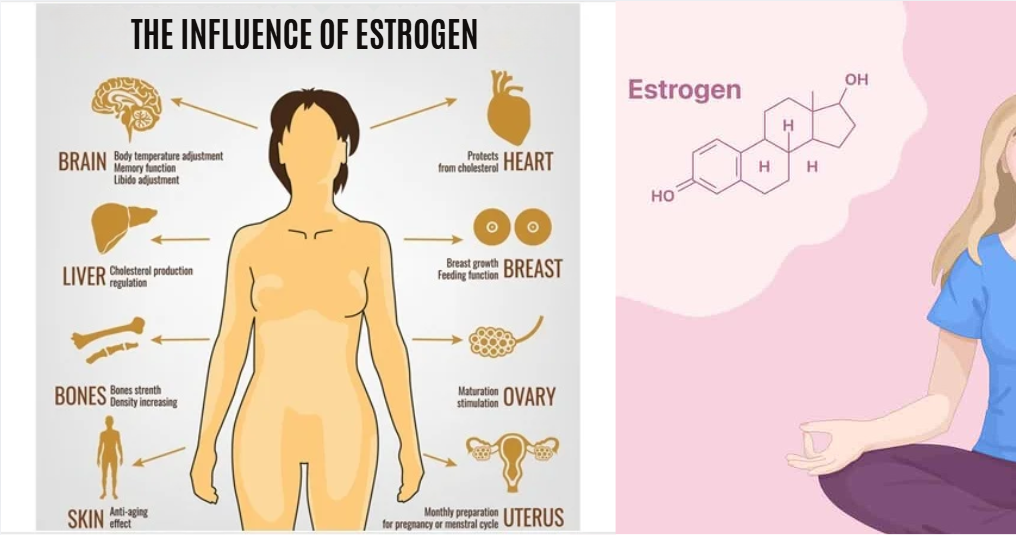
Section 2: How Does Estrogen Influence Reproductive Health?
Estrogen regulates the menstrual cycle and supports reproductive function:
- Follicle Development: Stimulates growth of ovarian follicles in the early cycle.
- Endometrial Preparation: Thickens the uterine lining for potential implantation.
- Hormonal Balance: Works alongside progesterone to maintain a regular cycle.
Balanced estrogen levels are crucial for fertility, healthy menstruation, and reproductive longevity.
Section 3: Which Role Does Estrogen Play in Bone Health?
Estrogen is a key regulator of bone remodeling and density:
- Osteoblast Activation: Promotes bone formation.
- Osteoclast Suppression: Reduces bone breakdown.
- Calcium Retention: Helps the body retain calcium for skeletal strength.
Low estrogen levels, as seen in menopause, increase the risk of osteoporosis and fractures. Maintaining estrogen through lifestyle, nutrition, or medical guidance is vital for long-term bone integrity.
Section 4: How Estrogen Affects Cardiovascular Health
Beyond reproduction, estrogen has protective effects on the heart and blood vessels:
- Cholesterol Regulation: Enhances HDL (“good”) cholesterol and reduces LDL (“bad”) cholesterol.
- Vascular Function: Promotes nitric oxide production, improving blood vessel elasticity.
- Inflammation Reduction: Antioxidant properties decrease arterial inflammation.
Declining estrogen during menopause correlates with higher cardiovascular risk, highlighting its systemic importance.
Section 5: What Is Estrogen’s Impact on Brain Function and Mood?
Estrogen interacts with neurotransmitters and brain structures to support cognition and emotional balance:
- Memory and Learning: Modulates acetylcholine and serotonin activity in the hippocampus.
- Mood Regulation: Influences serotonin, dopamine, and GABA pathways, affecting anxiety and depression risk.
- Neuroprotection: Antioxidant and anti-inflammatory effects help prevent age-related cognitive decline.
Understanding estrogen’s neurological role clarifies why hormonal shifts often coincide with mood swings and cognitive changes.
Section 6: Which Nutritional and Lifestyle Factors Support Healthy Estrogen Levels?
Certain foods, nutrients, and habits can optimize estrogen function naturally:
- Phytoestrogen-Rich Foods: Soy, flaxseeds, chickpeas, and lentils can mimic estrogenic activity.
- Healthy Fats: Omega-3s from fish, walnuts, and chia seeds support hormone synthesis.
- Exercise: Weight-bearing and resistance training help maintain hormone balance.
- Stress Management: Cortisol can interfere with estrogen; mindfulness and adequate sleep are protective.
Lifestyle choices can either support or disrupt estrogen pathways, affecting overall health outcomes.
Section 7: How Can You Recognize Low or Imbalanced Estrogen?
Symptoms of estrogen deficiency or imbalance often appear gradually:
- Menstrual Irregularities: Missed periods or heavy bleeding.
- Mood Changes: Irritability, depression, or anxiety.
- Sleep Disturbances: Difficulty falling or staying asleep.
- Physical Changes: Hot flashes, night sweats, dry skin, or thinning hair.
- Bone and Muscle Weakness: Increased fracture risk and reduced muscle mass.
Early recognition allows timely interventions to maintain health and quality of life.
Section 8: What Are Evidence-Based Strategies to Maintain Estrogen Balance?
Maintaining estrogen involves a combination of diet, lifestyle, and medical guidance:
- Balanced Nutrition: Include protein, healthy fats, and phytoestrogen-rich foods.
- Regular Exercise: Supports hormonal balance and metabolic health.
- Sleep Optimization: 7–9 hours per night supports hormone synthesis.
- Medical Guidance: For symptomatic low estrogen, clinicians may consider bioidentical hormones or other therapies.
A holistic approach, integrating these strategies, helps sustain Ezzie’s benefits across life stages.
Conclusion: Embrace Ezzie for Lifelong Health
Estrogen is more than a reproductive hormone; it is a central regulator of bone strength, heart health, cognitive function, mood, and metabolic balance. By understanding its critical roles and supporting its function through lifestyle, nutrition, and professional guidance, individuals can harness the power of Ezzie to optimize health and well-being. Whether you are navigating reproductive years, approaching menopause, or seeking cognitive and emotional support, recognizing and nurturing estrogen is essential for a vibrant life.
Important Disclaimer
This article is for informational purposes only and should not replace medical advice. Consult a healthcare professional regarding hormonal health, therapy, or diet, especially if experiencing symptoms of imbalance or chronic conditions. Individual results may vary.