Cortisol, often called the “stress hormone,” plays a vital role in daily functioning. Yet chronic elevation can impact energy, mood, metabolism, and overall health.
In our fast-paced modern lives, stress is almost unavoidable. While cortisol is essential for survival, helping regulate metabolism, immune function, and the body’s response to stress, persistently high levels can disrupt sleep, digestion, hormone balance, and even mental health. Recognizing early signs of elevated cortisol can help you take proactive steps to restore balance. This article explores the science behind cortisol, its functions, warning signs, and evidence-based strategies for maintaining optimal levels.
Section 1: What Is Cortisol and Why Is It Important?
Cortisol is a glucocorticoid hormone produced by the adrenal glands. It helps the body respond to stress and plays a role in numerous physiological processes.
H3: Functions of Cortisol
- Stress Response: Cortisol prepares the body for “fight or flight.”
- Metabolism Regulation: Helps regulate blood sugar and energy production.
- Inflammatory Control: Modulates immune system activity.
- Circadian Rhythm: Peaks in the morning to wake you and declines at night for sleep.
Cortisol is essential, but imbalance—especially chronically high levels—can have widespread effects.
Section 2: How Does Cortisol Affect Your Energy Levels?
Cortisol’s primary role is to mobilize energy. Acute spikes are helpful, but prolonged elevation can cause:
- Fatigue: Constant high cortisol can lead to adrenal strain, leaving you feeling drained.
- Blood Sugar Fluctuations: Cortisol increases glucose availability; chronic spikes may contribute to energy crashes.
- Sleep Disruption: Elevated evening cortisol interferes with melatonin production and sleep quality.
Understanding these effects can help identify when cortisol may be out of balance.
Section 3: Which Physical Symptoms Indicate High Cortisol?
Persistent elevated cortisol manifests in multiple physical signs:
- Weight Gain: Particularly in the abdomen and face.
- Muscle Weakness: Cortisol promotes protein breakdown, affecting muscle mass.
- Skin Changes: Acne, thinning skin, or easy bruising.
- Digestive Issues: Bloating, irregular bowel movements, or decreased nutrient absorption.
Recognizing these symptoms early can prevent long-term health consequences.
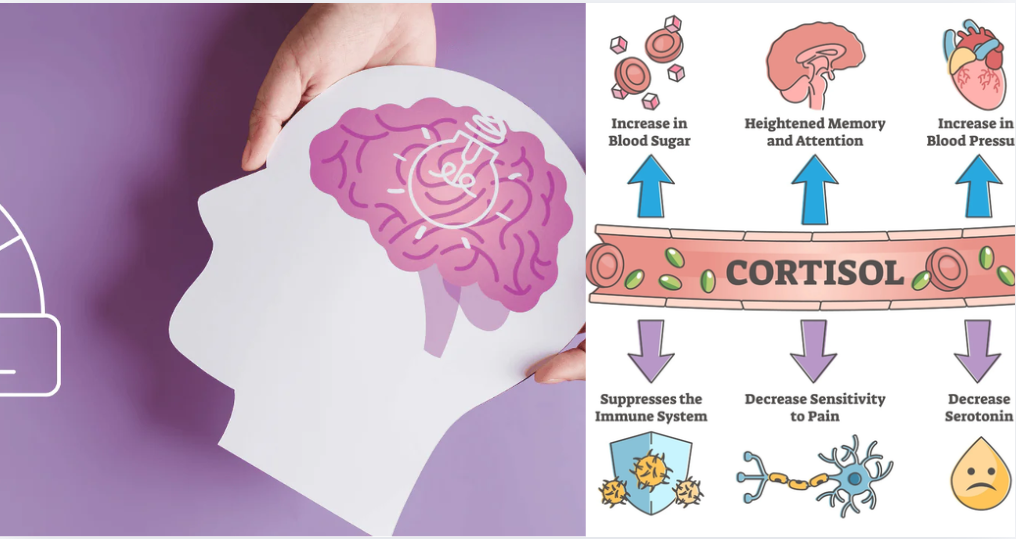
Section 4: How Does Cortisol Impact Mood and Mental Health?
Cortisol influences brain function and neurotransmitter balance:
- Anxiety and Irritability: Heightened cortisol affects the amygdala, increasing stress sensitivity.
- Depression Risk: Dysregulated cortisol can disrupt serotonin and dopamine pathways.
- Cognitive Decline: Chronic stress may impair memory and executive function over time.
Emotional and mental signs are often among the first indicators of cortisol imbalance.
Section 5: Which Lifestyle Factors Contribute to Elevated Cortisol?
Several common habits can chronically raise cortisol levels:
- Sleep Deprivation: Lack of quality sleep significantly elevates cortisol.
- Poor Diet: High sugar, refined carbs, and caffeine spikes stress hormones.
- Sedentary Lifestyle: Inactivity reduces the body’s stress resilience.
- Chronic Stress: Work pressure, financial concerns, and emotional strain continuously stimulate cortisol production.
Identifying triggers is critical for developing a cortisol-lowering strategy.
Section 6: How Can You Test Your Cortisol Levels?
Cortisol levels can be assessed with various tests:
- Blood Tests: Measure cortisol at a single point in time.
- Saliva Tests: Track diurnal cortisol fluctuations throughout the day.
- Urine Tests: Evaluate total daily cortisol output.
Testing provides objective insight and can guide personalized interventions.
Section 7: Evidence-Based Strategies to Lower Cortisol Naturally
Balanced lifestyle choices are key to managing cortisol:
- Stress Management: Meditation, deep breathing, and mindfulness reduce cortisol.
- Exercise: Moderate activity lowers stress hormone levels; avoid overtraining.
- Nutrition: Include omega-3 fatty acids, magnesium, and protein-rich foods.
- Sleep Hygiene: Maintain a consistent schedule, limit blue light exposure, and create a dark, cool sleeping environment.
Consistency in these areas supports long-term hormonal balance.
Section 8: When to Seek Professional Help
Persistent signs of high cortisol may require medical guidance:
- Endocrinologist Consultation: For suspected Cushing’s syndrome or adrenal disorders.
- Lifestyle Coaching: Nutrition and stress management tailored to your needs.
- Mental Health Support: Cognitive-behavioral therapy or counseling for chronic stress or anxiety.
Professional intervention ensures safe, targeted, and effective cortisol management.
Conclusion: Take Control of Your Cortisol
Cortisol is a vital hormone for survival, but chronic elevation can undermine health, affecting energy, weight, mood, and overall wellness. By recognizing early warning signs and implementing evidence-based lifestyle strategies, you can maintain balanced cortisol levels and protect both physical and mental health. Prioritize sleep, nutrition, stress management, and professional guidance when necessary to reclaim your energy, focus, and resilience.
Important Disclaimer
This article is for informational purposes only and does not replace medical advice. If you suspect elevated cortisol or experience related symptoms, consult a licensed healthcare professional for evaluation and treatment. Individual results may vary.