Type 2 diabetes can develop gradually, often without obvious warning signs. Early recognition of subtle symptoms is crucial to prevent complications.
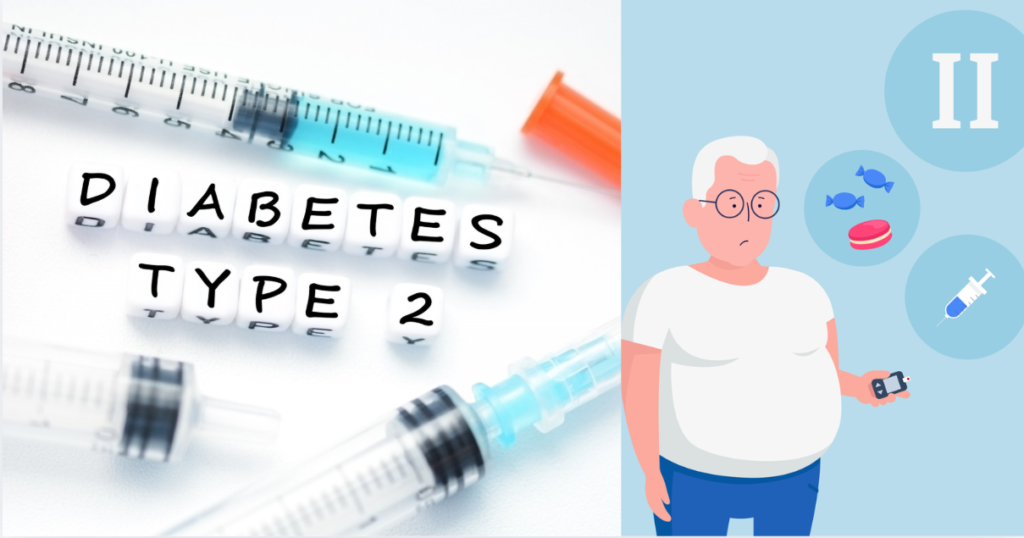
Type 2 diabetes is one of the most prevalent chronic metabolic disorders worldwide, affecting millions of adults and increasingly younger populations. Often developing silently over years, it occurs when the body’s cells become resistant to insulin or the pancreas cannot produce enough insulin to maintain normal blood sugar levels. Because its onset is gradual, many people remain undiagnosed until complications arise, such as cardiovascular disease, neuropathy, kidney damage, or vision problems. Understanding the early and subtle warning signs can empower individuals to seek timely evaluation and intervention. This guide explores the common symptoms of type 2 diabetes, their underlying mechanisms, and evidence-based strategies for early detection and management.
Section 1: What Is Type 2 Diabetes and How Does It Develop?
Type 2 diabetes is characterized by chronic hyperglycemia due to impaired insulin action.
H3: Insulin Resistance and Pancreatic Dysfunction
Insulin is a hormone that enables cells to absorb glucose for energy. In type 2 diabetes, muscle, fat, and liver cells fail to respond adequately to insulin, a condition known as insulin resistance. Initially, the pancreas compensates by producing more insulin, but over time, it cannot sustain sufficient output, leading to elevated blood glucose levels.
H3: Risk Factors
Key contributors include genetic predisposition, sedentary lifestyle, obesity, poor dietary patterns, advancing age, and certain medical conditions such as hypertension and polycystic ovary syndrome (PCOS).
Section 2: How Does Type 2 Diabetes Present in the Early Stages?
Early type 2 diabetes often manifests with subtle, non-specific symptoms that can be easily overlooked.
Common Early Signs:
- Increased thirst and frequent urination (polyuria and polydipsia)
- Unexplained fatigue
- Blurred vision
- Slow-healing cuts or infections
- Tingling or numbness in hands and feet (early neuropathy)
These symptoms result from the body’s attempts to manage high blood glucose levels and the subsequent cellular and vascular stress.
Section 3: Why Is Fatigue a Common Symptom?
Persistent fatigue is often one of the first signs of type 2 diabetes.
H3: Cellular Energy Deficit
When insulin resistance prevents glucose from entering cells efficiently, the body’s tissues are deprived of their primary energy source, leading to chronic fatigue.
H3: Additional Contributing Factors
Dehydration from frequent urination, disrupted sleep, and inflammation further exacerbate low energy levels, creating a cycle that worsens over time if left untreated.
Section 4: How Does High Blood Sugar Affect the Skin?
Hyperglycemia can significantly impact skin health, producing visible and sometimes uncomfortable symptoms.
H3: Dryness and Itching
High glucose levels can cause dehydration, reducing skin elasticity and leading to itchiness and dryness.
H3: Skin Infections and Slow Healing
Diabetes impairs immune function, increasing susceptibility to bacterial and fungal infections. Cuts, sores, and infections may heal slowly, which is often a critical early warning sign.
Section 5: Why Do Neuropathy Symptoms Appear Early?
Peripheral neuropathy, or nerve damage, often manifests as tingling, numbness, or pain in extremities.
H3: Mechanisms
Chronic hyperglycemia damages nerves through oxidative stress, inflammation, and impaired blood flow, particularly affecting the feet and hands.
H3: Early Recognition
Even mild tingling or burning sensations should prompt evaluation, as early intervention can prevent progression and reduce long-term complications.
Section 6: How Does Vision Change in Type 2 Diabetes?
High blood glucose can alter the lens of the eye and damage blood vessels in the retina.
H3: Blurred Vision and Fluctuating Sight
Fluid shifts in the lens due to hyperglycemia can cause temporary blurred vision. Early recognition and glucose control can often reverse these changes.
H3: Risk of Diabetic Retinopathy
If hyperglycemia persists, retinal blood vessels may become damaged, leading to vision-threatening conditions. Routine eye exams are critical for prevention and early treatment.
Section 7: Which Factors Influence Symptom Severity and Onset?
The timing and intensity of symptoms vary depending on several factors.
H3: Genetic and Lifestyle Influences
Family history, obesity, physical inactivity, and poor dietary habits accelerate the onset and severity of type 2 diabetes symptoms.
H3: Coexisting Health Conditions
Hypertension, high cholesterol, and cardiovascular disease may mask or exacerbate symptoms, making early detection more challenging.
Section 8: What Steps Can Support Early Detection and Management?
Early recognition of type 2 diabetes is crucial for preventing complications.
H3: Regular Screening
Adults with risk factors should undergo periodic fasting glucose, HbA1c, or oral glucose tolerance tests.
H3: Lifestyle Interventions
Adopting a balanced diet, regular physical activity, weight management, and stress reduction can improve insulin sensitivity and delay disease progression.
H3: Medical Follow-Up
If diagnosed, working closely with healthcare providers to monitor blood sugar, manage coexisting conditions, and implement individualized treatment plans is essential for long-term health.
Conclusion: Recognizing the Silent Signals
Type 2 diabetes is often silent but carries serious health consequences if left untreated. Subtle signs such as fatigue, increased thirst, blurred vision, slow healing, and neuropathic symptoms may precede a formal diagnosis. Awareness, early detection, and proactive lifestyle management are key to preventing complications and improving quality of life. By paying attention to these early symptoms and seeking timely medical evaluation, individuals can take control of their health and reduce the burden of type 2 diabetes.
Important Disclaimer
This article is for informational purposes only and does not replace professional medical advice. Individuals experiencing symptoms or at risk for type 2 diabetes should consult a qualified healthcare provider for personalized evaluation, testing, and treatment guidance.