Type 1 diabetes can appear suddenly, with symptoms that develop rapidly. Early recognition is vital for preventing serious complications.
Type 1 diabetes is a chronic autoimmune disorder characterized by the destruction of insulin-producing beta cells in the pancreas. Unlike type 2 diabetes, which develops gradually, type 1 diabetes often manifests suddenly and can progress rapidly if not promptly diagnosed. The absence of insulin leads to elevated blood glucose levels, forcing the body to rely on alternative energy sources and triggering a cascade of metabolic disturbances. Early recognition of type 1 diabetes symptoms is essential for timely intervention, reducing the risk of diabetic ketoacidosis (DKA) and long-term complications. This guide explores the hallmark symptoms, underlying mechanisms, and practical strategies for early detection and management.
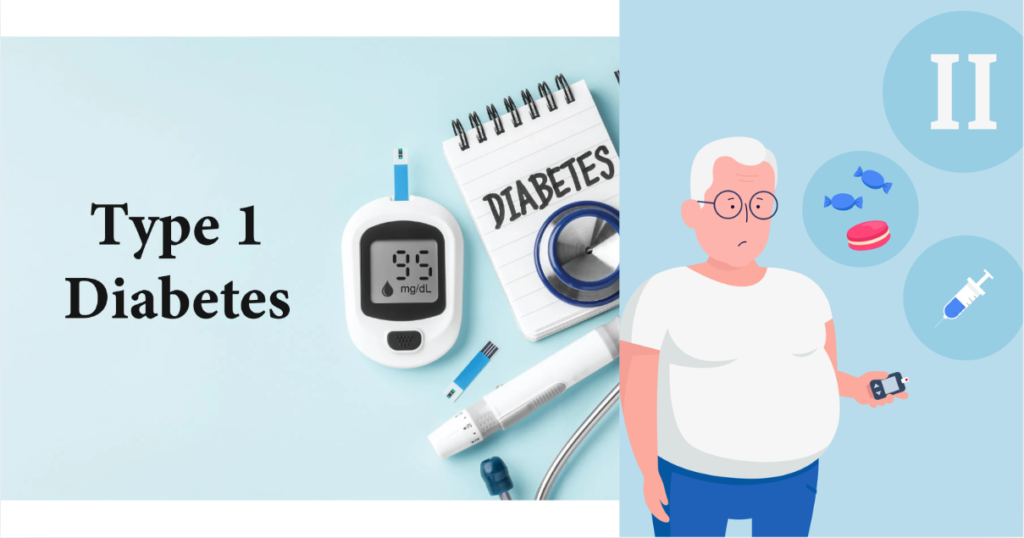
Section 1: What Is Type 1 Diabetes and How Does It Differ from Type 2?
Type 1 diabetes arises from autoimmune destruction of pancreatic beta cells, leading to absolute insulin deficiency.
H3: Autoimmune Mechanisms
In type 1 diabetes, the immune system mistakenly attacks beta cells, which produce insulin. This process may be triggered by genetic susceptibility, environmental factors, or viral infections. Unlike type 2 diabetes, type 1 is not primarily linked to lifestyle factors.
H3: Rapid Onset
Symptoms can develop over days to weeks, with rapid progression to hyperglycemia and potential ketoacidosis, distinguishing it from the slower onset of type 2 diabetes.
Section 2: How Does Insulin Deficiency Trigger Symptoms?
Insulin is essential for transporting glucose into cells. Its absence leads to metabolic imbalance.
H3: Hyperglycemia
Without insulin, glucose accumulates in the bloodstream, causing high blood sugar levels. This contributes to osmotic diuresis, leading to increased urination and dehydration.
H3: Cellular Energy Crisis
Cells are unable to access glucose for energy, leading to fatigue, weight loss, and generalized weakness.
Section 3: What Are the Most Common Early Symptoms?
Type 1 diabetes often presents with a recognizable constellation of symptoms.
- Excessive Thirst (Polydipsia): The body attempts to compensate for fluid loss caused by high blood sugar.
- Frequent Urination (Polyuria): Excess glucose in the blood draws water into the urine.
- Unexplained Weight Loss: Rapid breakdown of fat and muscle provides alternative energy sources.
- Extreme Hunger (Polyphagia): Despite elevated blood glucose, cells are starved for energy.
- Fatigue: Energy depletion from glucose starvation impairs daily functioning.
- Blurred Vision: Fluid shifts in the eye lens caused by hyperglycemia can temporarily distort vision.
- Slow-Healing Wounds: Impaired immune function increases vulnerability to infections.
Recognizing these early warning signs is crucial for preventing serious metabolic complications.
Section 4: Why Does Diabetic Ketoacidosis Occur?
Diabetic ketoacidosis (DKA) is a life-threatening complication that may be the first presentation of type 1 diabetes.
H3: Mechanism
When cells cannot use glucose for energy, the body metabolizes fat, producing ketones. Accumulation of ketones in the blood leads to acidosis, disrupting normal organ function.
H3: Symptoms of DKA
Symptoms include nausea, vomiting, abdominal pain, rapid breathing, fruity-smelling breath, and confusion. Immediate medical attention is critical.
Section 5: Which Factors Increase the Risk of Rapid Onset?
Although type 1 diabetes is primarily autoimmune, several factors influence onset and severity.
H3: Genetic Susceptibility
Certain human leukocyte antigen (HLA) genotypes increase risk, making individuals more prone to beta-cell autoimmunity.
H3: Environmental Triggers
Viral infections, early dietary exposures, and stress may accelerate autoimmune responses, precipitating rapid symptom development.
Section 6: How Is Type 1 Diabetes Diagnosed?
Early diagnosis relies on laboratory evaluation combined with symptom recognition.
H3: Blood Glucose Testing
Fasting plasma glucose, random plasma glucose, and oral glucose tolerance tests confirm hyperglycemia.
H3: Autoantibody Testing
Presence of autoantibodies such as GAD, IA-2, or insulin autoantibodies helps distinguish type 1 diabetes from type 2.
H3: C-Peptide Levels
Low or absent C-peptide indicates reduced endogenous insulin production, confirming type 1 diabetes.
Section 7: What Immediate Steps Should Be Taken After Diagnosis?
Prompt intervention is essential to stabilize metabolism and prevent complications.
H3: Insulin Therapy
Lifelong insulin replacement is required, tailored to individual needs and lifestyle factors.
H3: Blood Glucose Monitoring
Frequent monitoring helps prevent hyperglycemia and hypoglycemia, supporting safe and effective management.
H3: Nutritional and Lifestyle Adjustments
Balanced meal planning, carbohydrate counting, and regular physical activity support insulin effectiveness and metabolic control.
Section 8: How Can Patients Prevent Complications?
Effective management reduces long-term risks such as cardiovascular disease, neuropathy, and kidney damage.
H3: Regular Medical Follow-Up
Routine checkups and lab tests monitor glucose control and detect complications early.
H3: Education and Support
Diabetes self-management education empowers patients to understand insulin dosing, lifestyle adjustments, and emergency response.
H3: Mental Health Considerations
Chronic disease management can be stressful; psychological support is important for adherence and quality of life.
Conclusion: Recognizing and Acting on Sudden Symptoms
Type 1 diabetes is marked by sudden onset and rapid symptom progression. Early recognition of excessive thirst, frequent urination, unexplained weight loss, and fatigue can save lives and prevent severe complications such as diabetic ketoacidosis. Prompt diagnosis, insulin therapy, and proactive lifestyle adjustments form the cornerstone of effective management. Awareness, vigilance, and timely intervention empower individuals to navigate type 1 diabetes safely and maintain long-term health.
Important Disclaimer
This article is for informational purposes only and should not replace professional medical advice. Individuals experiencing symptoms or at risk for type 1 diabetes should consult a qualified healthcare provider for evaluation, diagnosis, and personalized treatment.