Obesity is a complex, multifactorial condition influenced by genetics, lifestyle, and environmental factors. Understanding its science is key to prevention.
Obesity has become a global health challenge, affecting millions of individuals across all age groups. More than just a matter of aesthetics, obesity significantly increases the risk of chronic diseases such as type 2 diabetes, cardiovascular disease, and certain cancers. While many assume obesity is simply a result of overeating or a sedentary lifestyle, modern research highlights a far more intricate interplay of genetic, hormonal, metabolic, and environmental factors. This article explores the science of obesity, its underlying mechanisms, and evidence-based insights into risk factors and potential interventions.
Section 1: What Is Obesity and How Is It Measured?
Obesity is defined as excessive fat accumulation that presents a risk to health.
H3: Body Mass Index (BMI) and Beyond
The most common measure of obesity is Body Mass Index (BMI), calculated as weight in kilograms divided by height in meters squared. A BMI of 30 or above is typically classified as obese. While useful for population studies, BMI does not distinguish between fat and lean mass or consider fat distribution.
H3: Alternative Assessments
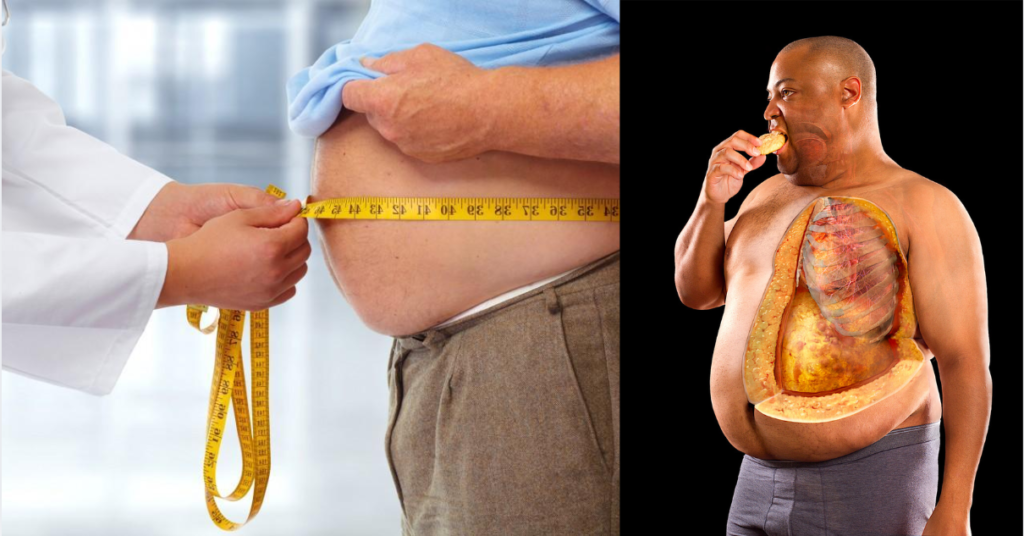
Waist circumference, waist-to-hip ratio, and body composition analyses provide more nuanced insights into visceral versus subcutaneous fat, both of which have different metabolic implications.
Section 2: How Does Genetics Influence Obesity?
Genetics plays a critical role in determining susceptibility to obesity.
H3: Heritability of Body Weight
Studies indicate that 40-70% of body weight variation can be attributed to genetic factors. Specific gene variants, such as those affecting leptin, melanocortin 4 receptor (MC4R), and fat mass and obesity-associated (FTO) genes, influence appetite, satiety, and energy expenditure.
H3: Monogenic vs. Polygenic Obesity
While rare monogenic forms of obesity result from mutations in single genes, the more common polygenic obesity involves multiple genes interacting with environmental and lifestyle factors, highlighting the complexity of its development.
Section 3: Which Environmental and Lifestyle Factors Contribute to Obesity?
Lifestyle and environment profoundly shape obesity risk.
H3: Dietary Patterns
High-calorie, nutrient-poor diets rich in processed foods, sugar, and unhealthy fats contribute to weight gain. Portion sizes, frequency of meals, and liquid calories from sugary beverages also play a role.
H3: Physical Activity Levels
Sedentary behavior reduces energy expenditure, tipping the balance toward weight gain. Modern lifestyles with prolonged screen time and reduced occupational activity exacerbate obesity prevalence.
H3: Sleep and Circadian Rhythms
Inadequate or disrupted sleep alters appetite-regulating hormones such as ghrelin and leptin, increasing hunger and caloric intake.
Section 4: What Are the Hormonal and Metabolic Mechanisms?
Obesity is not merely an energy imbalance; hormonal dysregulation is central.
H3: Leptin and Appetite Regulation
Leptin, produced by adipose tissue, signals satiety to the brain. In obesity, leptin resistance may develop, reducing the effectiveness of these signals and promoting overeating.
H3: Insulin Resistance
Excess adiposity contributes to insulin resistance, impairing glucose metabolism and increasing fat storage.
H3: Gut Hormones and Microbiota
Hormones such as ghrelin, peptide YY, and GLP-1, along with gut microbiome composition, influence hunger, energy extraction from food, and fat storage.
Section 5: How Does Obesity Affect Body Systems?
Excess adiposity has widespread effects on health.
H3: Cardiovascular System
Obesity is associated with hypertension, dyslipidemia, and atherosclerosis, increasing the risk of heart attack and stroke.
H3: Endocrine System
Obesity contributes to insulin resistance, type 2 diabetes, and hormonal imbalances such as polycystic ovary syndrome (PCOS).
H3: Musculoskeletal and Respiratory Systems
Excess weight increases stress on joints, leading to osteoarthritis, and can impair respiratory function, increasing the risk of sleep apnea.
Section 6: Which Psychological and Social Factors Are Involved?
Mental health and social environment significantly influence obesity risk.
H3: Stress and Emotional Eating
Chronic stress elevates cortisol levels, promoting visceral fat deposition and triggering emotional eating behaviors.
H3: Socioeconomic Status and Food Access
Limited access to affordable healthy foods, high-calorie convenience foods, and neighborhood environments that discourage physical activity can drive obesity prevalence.
H3: Stigma and Behavioral Feedback Loops
Weight stigma may lead to psychological distress, reduced physical activity, and maladaptive eating behaviors, perpetuating the cycle of obesity.
Section 7: How Can Obesity Be Prevented and Managed?
Effective strategies require a holistic approach.
H3: Dietary Interventions
Balanced nutrition emphasizing whole foods, fiber, lean proteins, and healthy fats supports weight management. Portion control and mindful eating enhance adherence.
H3: Physical Activity and Lifestyle Modifications
Regular aerobic exercise, strength training, and reduced sedentary behavior improve energy balance and metabolic health.
H3: Medical and Surgical Options
For individuals with severe obesity, pharmacotherapy or bariatric surgery may be indicated under medical supervision.
Section 8: What Are Emerging Insights and Future Directions?
Cutting-edge research offers new perspectives on obesity management.
H3: Precision Nutrition
Genetic, metabolic, and microbiome profiling may allow individualized dietary recommendations to optimize weight management.
H3: Gut Microbiota Modulation
Probiotics, prebiotics, and fecal microbiota interventions are being explored as tools to influence energy balance and fat storage.
H3: Digital Health and Behavior Tracking
Wearable technology, smartphone apps, and AI-driven behavior analysis can support adherence to lifestyle modifications and monitor progress in real-time.
Conclusion: Understanding Obesity as a Multifactorial Condition
Obesity is a complex interplay of genetic, environmental, metabolic, hormonal, psychological, and social factors. Recognizing its multifactorial nature is critical for effective prevention and management. Sustainable strategies combine healthy dietary patterns, physical activity, behavioral support, and, when necessary, medical or surgical interventions. Early recognition of risk factors and proactive lifestyle changes empower individuals to reduce obesity-related complications, improve metabolic health, and enhance quality of life.
Important Disclaimer
This article is for informational purposes only and should not replace professional medical advice. Individuals concerned about obesity, weight management, or related health conditions should consult a qualified healthcare provider for personalized assessment, diagnosis, and treatment recommendations.