Harnessing the power of food can prevent disease, support recovery, and optimize overall health through science-backed nutritional strategies.
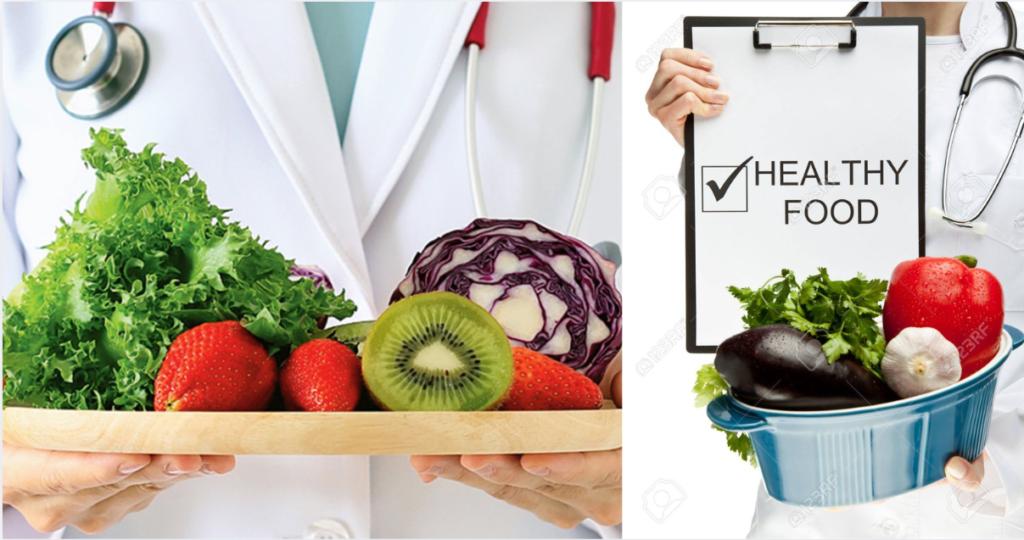
The concept of “food as medicine” is gaining scientific traction as research increasingly demonstrates that dietary choices profoundly impact disease prevention, recovery, and long-term health. Beyond simple caloric intake, the types of foods we consume influence inflammation, immune function, gut microbiota, metabolic health, and even gene expression. This article explores how evidence-based nutrition can be strategically used to prevent illness, accelerate recovery, and support holistic well-being.
Section 1: What Does “Food as Medicine” Really Mean?
Food as medicine emphasizes the therapeutic potential of diet in maintaining health and preventing or managing disease.
H3: Historical Perspective
Ancient systems such as Ayurveda and Traditional Chinese Medicine have long promoted the medicinal properties of certain foods. Modern nutrition science is now providing empirical evidence supporting these age-old practices.
H3: Beyond Calories
Rather than focusing solely on energy balance, this approach considers micronutrients, bioactive compounds, and dietary patterns that modulate physiological pathways critical for health.
Section 2: How Do Nutrients Prevent Disease?
Dietary components influence chronic disease risk through multiple mechanisms.
H3: Antioxidants and Cellular Protection
Foods rich in vitamins C and E, polyphenols, and carotenoids reduce oxidative stress, protecting cells from DNA damage and inflammation.
H3: Anti-Inflammatory Effects
Omega-3 fatty acids from fatty fish, walnuts, and flaxseeds modulate pro-inflammatory cytokines, reducing the risk of cardiovascular disease and metabolic syndrome.
H3: Micronutrients and Immune Function
Zinc, selenium, and vitamin D play crucial roles in immune resilience, lowering susceptibility to infections and supporting recovery.
Section 3: Which Foods Support Recovery After Illness or Surgery?
Targeted nutrition can accelerate healing and restore function.
H3: Protein and Tissue Repair
Adequate protein intake is essential for wound healing, muscle maintenance, and immune system function. Lean meats, dairy, legumes, and plant-based protein sources provide necessary amino acids.
H3: Micronutrients for Regeneration
Vitamin C supports collagen synthesis, zinc aids immune cell function, and iron replenishes red blood cells post-surgery or during recovery from illness.
H3: Hydration and Electrolyte Balance
Fluids, electrolytes, and mineral-rich foods like fruits, vegetables, and broths help restore hydration, reduce fatigue, and support organ function during convalescence.
Section 4: How Does Gut Health Influence Overall Well-Being?
The gut microbiome mediates many health outcomes, emphasizing the role of functional foods.
H3: Prebiotics and Fiber
Soluble fibers from oats, legumes, and vegetables feed beneficial gut bacteria, improving digestion, nutrient absorption, and immune regulation.
H3: Probiotics and Microbial Balance
Fermented foods such as yogurt, kefir, kimchi, and sauerkraut introduce beneficial bacteria, which can reduce inflammation and support gastrointestinal health.
H3: Gut-Brain Axis
Emerging research links gut microbiota composition to mental health, showing that diet can influence mood, cognition, and stress resilience.
Section 5: Which Dietary Patterns Have the Strongest Evidence?
Certain patterns consistently show health-promoting effects across populations.
H3: Mediterranean Diet
High in fruits, vegetables, olive oil, whole grains, nuts, and fish, the Mediterranean diet reduces cardiovascular risk, supports cognitive function, and lowers inflammatory markers.
H3: Plant-Forward Diets
Vegetarian and predominantly plant-based diets provide fiber, antioxidants, and polyphenols that protect against chronic disease and improve metabolic health.
H3: Anti-Inflammatory Diets
Reducing processed foods, added sugars, and unhealthy fats while prioritizing whole, minimally processed foods can mitigate chronic inflammation and improve recovery.
Section 6: How Can Personalized Nutrition Enhance Outcomes?
Individual variability influences how foods affect health.
H3: Genetic Factors
Polymorphisms in genes related to metabolism, lipid processing, and nutrient absorption can determine individual responses to dietary interventions.
H3: Biomarker-Guided Nutrition
Regular testing of blood glucose, lipid profiles, vitamin levels, and inflammatory markers allows tailored nutritional strategies to prevent disease and optimize recovery.
H3: Lifestyle Integration
Sleep, stress management, physical activity, and environmental exposures interact with nutrition, highlighting the need for holistic, personalized approaches.
Section 7: What Are Evidence-Based Strategies for Implementing Food as Medicine?
Practical application requires structure and consistency.
H3: Meal Planning and Nutrient Timing
Distributing nutrient-dense foods across meals ensures consistent energy supply, supports metabolic regulation, and optimizes nutrient absorption.
H3: Emphasizing Whole Foods
Prioritizing unprocessed, minimally refined foods maximizes intake of protective compounds such as fiber, polyphenols, and micronutrients.
H3: Mindful Eating Practices
Mindfulness while eating improves satiety recognition, reduces overeating, and enhances enjoyment and adherence to health-promoting diets.
Section 8: Which Emerging Research Areas Are Shaping the Future?
Advances in nutrition science are expanding therapeutic possibilities.
H3: Nutrigenomics and Epigenetics
Understanding how diet influences gene expression opens possibilities for personalized prevention and recovery strategies.
H3: Functional Foods and Bioactive Compounds
Polyphenols, flavonoids, and other bioactive compounds are being studied for their roles in reducing chronic disease risk and enhancing recovery.
H3: Digital Health Integration
Apps, wearable technology, and AI-driven nutrition coaching can monitor dietary adherence, track biomarkers, and support individualized interventions in real time.
Conclusion: Harnessing Nutrition for Lifelong Health
The science of food as medicine underscores the transformative potential of dietary choices in disease prevention, recovery, and overall well-being. By emphasizing nutrient-dense whole foods, tailoring strategies to individual needs, and integrating lifestyle factors, we can optimize health outcomes and reduce chronic disease risk. Incorporating evidence-based nutrition into daily life is not merely a preventive measure but a proactive tool to support longevity, vitality, and resilience.
Important Disclaimer
This article is for informational purposes only and should not replace professional medical or dietary advice. Individuals with chronic conditions, nutritional deficiencies, or specific health concerns should consult qualified healthcare providers before making significant changes to diet or lifestyle.