Optimal health depends on understanding how different foods impact the body’s organ systems. While nutrition is often discussed in terms of calories or macronutrients, the quality and type of food can selectively stress certain organs, influencing long-term function and disease risk. By examining organ-specific nutrition, we can make informed choices that protect the liver, kidneys, heart, and other vital systems while minimizing harmful dietary exposures.
Section 1: What Is Organ-Specific Nutrition and Why Does It Matter?
Organ-specific nutrition refers to how certain foods uniquely affect individual organ systems.
H3: The Concept of Targeted Nutritional Stress
Not all calories are created equal. For instance, excessive saturated fats may burden the liver, while high sodium intake strains the cardiovascular system. Understanding these connections allows for preventive nutrition strategies.
H3: Health Implications
Long-term consumption of foods that stress specific organs can contribute to conditions such as fatty liver disease, hypertension, kidney dysfunction, or gastrointestinal disorders. Strategic dietary choices can mitigate these risks and promote systemic resilience.
Section 2: How Does the Liver Respond to Different Foods?
The liver is the body’s primary detoxification organ and plays a central role in metabolism.
H3: Foods That Overload the Liver
High-fructose corn syrup, alcohol, and excessive saturated fats can lead to fatty liver accumulation. These compounds increase oxidative stress and impair hepatic insulin sensitivity.
H3: Protective Choices
Foods rich in antioxidants, fiber, and polyphenols—such as leafy greens, berries, and green tea—support liver detoxification pathways and reduce inflammation.
Section 3: Which Foods Impact Kidney Function Most Significantly?
The kidneys filter waste, regulate fluid balance, and maintain electrolyte homeostasis.
H3: High-Risk Dietary Components
Excessive sodium, animal protein, and processed foods can increase glomerular pressure, promoting long-term kidney damage. High phosphate additives in processed foods are also harmful.
H3: Supporting Kidney Health
Plant-based proteins, adequate hydration, potassium-rich fruits, and limited sodium intake preserve renal function and reduce hypertension-related stress on the kidneys.
Section 4: How Does Diet Influence the Heart and Circulatory System?
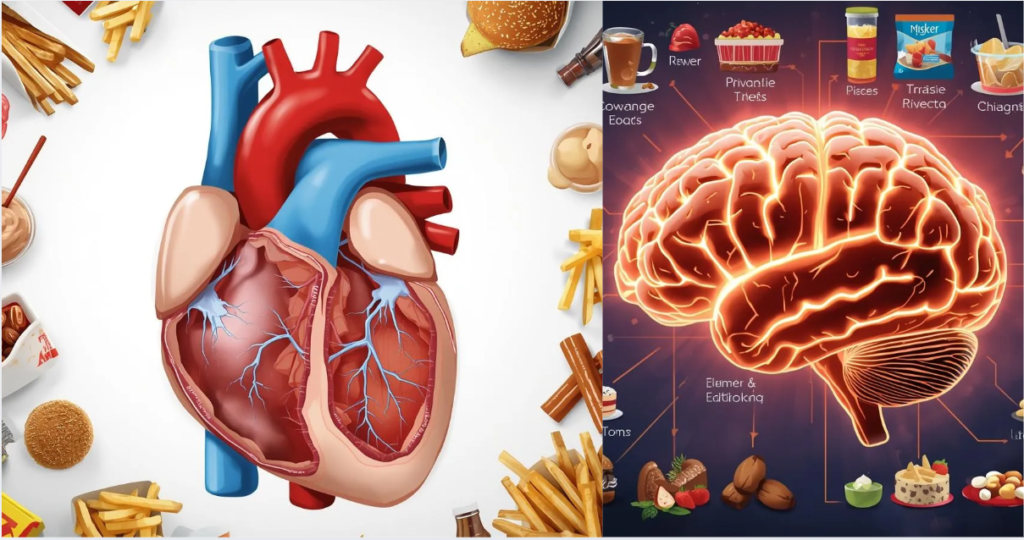
Cardiovascular health is tightly linked to dietary patterns.
H3: Foods That Strain the Heart
Excess salt, trans fats, and added sugars elevate blood pressure, lipid profiles, and systemic inflammation, burdening arterial walls and cardiac tissue.
H3: Heart-Supportive Nutrition
Omega-3 fatty acids from fatty fish, monounsaturated fats from olive oil, and fiber from whole grains reduce systemic inflammation and promote vascular elasticity.
Section 5: Which Foods Affect the Digestive System?
The gut is responsible for nutrient absorption, microbial balance, and immune modulation.
H3: Digestive Stressors
Highly processed, low-fiber foods, excessive dairy, and artificial additives can disrupt microbiota balance and promote constipation, bloating, or dysbiosis.
H3: Gut-Protective Choices
Fermented foods like yogurt and kimchi, prebiotic-rich vegetables, and whole grains support microbiota diversity and enhance digestive efficiency.
Section 6: How Does the Brain Respond to Dietary Choices?
Nutrition directly affects cognitive function, mood, and neurological health.
H3: Foods That Can Impair Cognitive Function
High sugar, trans fats, and excessive alcohol can promote inflammation, insulin resistance in the brain, and oxidative stress, impairing learning and memory.
H3: Brain-Boosting Nutrition
Omega-3 fatty acids, flavonoid-rich berries, and antioxidant vegetables enhance synaptic plasticity, reduce oxidative damage, and support long-term cognitive health.
Section 7: Which Foods Stress the Endocrine System?
The endocrine system regulates metabolism, growth, and stress response through hormones.
H3: Endocrine Disruptors in Food
Highly processed foods, refined sugars, and foods containing endocrine-disrupting chemicals (like BPA in packaging) can interfere with hormonal signaling.
H3: Hormone-Supportive Foods
Whole foods, cruciferous vegetables, and phytoestrogen-rich legumes help regulate hormone balance and support adrenal and thyroid function.
Section 8: How Can Organ-Specific Nutrition Inform Personalized Diets?
Understanding organ-specific stress allows for tailored dietary strategies that reduce risk and promote resilience.
H3: Assessing Individual Risk Factors
Genetics, pre-existing conditions, and lifestyle choices determine which organs may be more vulnerable to dietary stress. Personalized nutrition plans optimize intake for organ protection.
H3: Integrating Balanced Nutrition
A diet emphasizing whole foods, plant-based proteins, healthy fats, fiber, and antioxidants across all organ systems provides systemic support while minimizing organ-specific stress.
Conclusion: Eating With Organ Health in Mind
Recognizing that foods impact each organ differently reframes nutrition from a generic approach to a strategic, organ-focused model. By limiting foods that overload the liver, kidneys, heart, digestive tract, brain, and endocrine system while prioritizing protective nutrients, individuals can optimize long-term health and functional resilience. Organ-specific nutrition empowers informed choices that prevent chronic disease and enhance overall well-being.
Important Disclaimer
This article is for informational purposes only and should not replace professional medical advice. Individuals with chronic diseases, organ dysfunction, or dietary restrictions should consult a qualified healthcare provider before making significant changes to their diet.