Tooth pain can strike suddenly, disrupting daily life, sleep, and eating patterns. While professional dental care is crucial for treating the underlying causes, natural home approaches can provide effective relief and support oral health. Understanding the mechanisms of dental pain and the evidence-based strategies for alleviation can empower individuals to manage discomfort safely and effectively.
Tooth pain, medically termed dental or odontogenic pain, arises from inflammation, infection, or nerve irritation within the tooth or surrounding tissues. Common causes include cavities, gum disease, cracked teeth, and sensitivity. This article explores the biology of tooth pain and provides practical, scientifically-supported methods for at-home relief.
What Causes Tooth Pain?
Understanding the origin of dental pain is essential for effective management.
H3: Nerve Irritation
Pain often stems from stimulation of the dental pulp, which contains nerve endings and blood vessels. Exposure to temperature changes, sugary foods, or mechanical stress can trigger sharp, localized discomfort.
H3: Infections and Inflammation
Bacterial invasion through cavities or gum disease can cause pulpitis, abscesses, or periodontal inflammation, leading to throbbing or persistent pain.
H3: Structural Damage
Cracks, fractures, or worn enamel can expose dentin, increasing sensitivity and discomfort. Teeth grinding (bruxism) can also contribute to chronic pain.
How Can Cold and Warm Compresses Provide Relief?
Temperature therapy modulates nerve activity and reduces inflammation.
H3: Cold Compress
Applying a cold pack to the outside of the cheek reduces blood flow and numbs nerve endings, decreasing pain intensity during acute flare-ups.
H3: Warm Compress
For infections or jaw tension, a warm compress can improve blood circulation, relax muscles, and promote drainage of fluids, easing discomfort in the surrounding tissues.
Which Natural Anti-Inflammatory Agents Are Effective?
Certain natural compounds have analgesic and anti-inflammatory properties that help reduce tooth pain.
H3: Clove Oil
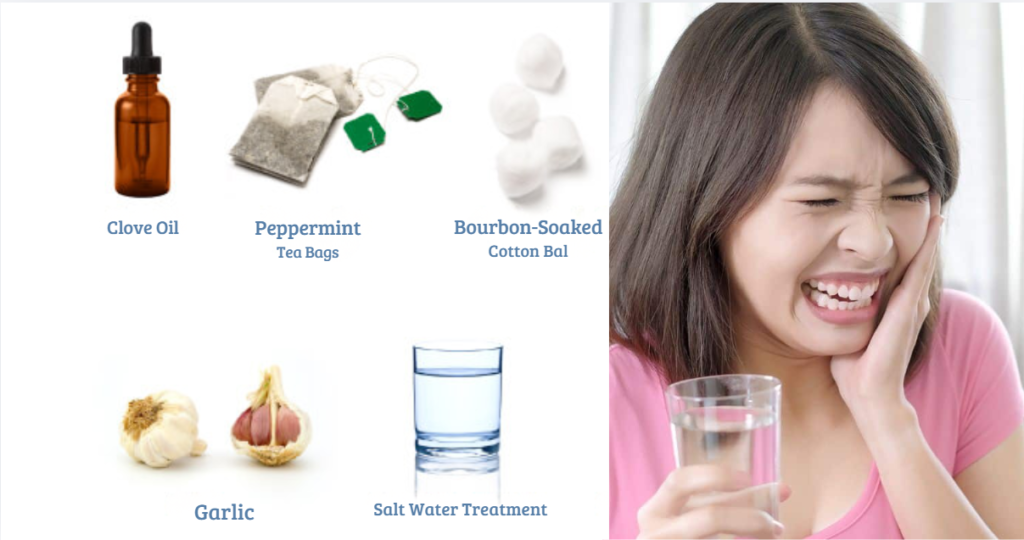
Clove oil contains eugenol, a compound with local anesthetic and antibacterial effects. Applying diluted clove oil to the affected area can temporarily relieve pain and reduce microbial load.
H3: Turmeric Paste
Curcumin, the active ingredient in turmeric, exhibits anti-inflammatory and antimicrobial effects. A small paste applied externally or used as a mouth rinse can support reduction of gingival inflammation.
H3: Aloe Vera
Aloe vera gel has soothing and antibacterial properties. Applying it to the gums can calm irritation associated with tooth sensitivity or mild gum inflammation.
How Does Saltwater Rinse Support Pain Relief?
Saltwater rinses are a simple, clinically supported method to alleviate dental discomfort.
H3: Mechanism of Action
Saltwater is hypertonic, drawing fluid away from inflamed tissues and reducing swelling. It also helps clear debris and lowers bacterial load, reducing irritation.
H3: Method of Use
Dissolve half a teaspoon of salt in a cup of warm water and rinse the mouth gently for 30–60 seconds. Repeating several times per day can enhance comfort and promote healing.
What Role Does Hydrogen Peroxide Rinse Play?
Diluted hydrogen peroxide can reduce bacterial presence and support oral health.
H3: Antimicrobial Effects
Hydrogen peroxide releases oxygen, which kills anaerobic bacteria involved in gum disease and tooth infections.
H3: Safe Usage
Mix equal parts 3% hydrogen peroxide with water, rinse briefly, and do not swallow. This method should be used sparingly to avoid irritation.
Which Dietary Considerations Help Reduce Tooth Pain?
Nutrition influences oral inflammation and tooth sensitivity.
H3: Avoid Sugar and Acidic Foods
Sugary and acidic foods can exacerbate decay and nerve sensitivity. Limiting these reduces pain triggers.
H3: Increase Anti-Inflammatory Nutrients
Omega-3 fatty acids, vitamin C, and calcium support gum health and reduce inflammation. Foods like salmon, leafy greens, and fortified dairy can aid oral resilience.
H3: Hydration
Adequate water intake maintains saliva flow, which buffers acids and washes away bacteria.
How Can Oral Hygiene Minimize Discomfort?
Proper cleaning reduces bacterial load and prevents worsening pain.
H3: Gentle Brushing and Flossing
Soft-bristled brushes and careful flossing prevent further irritation while removing plaque.
H3: Avoid Aggressive Scrubbing
Excessive pressure can damage enamel and inflamed gums, intensifying pain.
H3: Therapeutic Toothpaste
Desensitizing toothpaste containing potassium nitrate or fluoride can reduce nerve sensitivity over time.
When Should Professional Care Be Sought?
While home remedies alleviate pain temporarily, professional evaluation is essential.
H3: Warning Signs
Persistent throbbing pain, swelling, fever, or pus indicates infection requiring urgent dental treatment. Untreated abscesses can lead to systemic complications.
H3: Chronic or Recurrent Pain
Repeated episodes may suggest cavities, gum disease, or structural issues that only a dentist can diagnose and treat effectively.
Conclusion: Integrating Home Strategies for Effective Pain Management
Managing tooth pain at home involves a combination of temperature therapy, natural anti-inflammatory agents, rinses, dietary adjustments, and diligent oral hygiene. Understanding the underlying mechanisms of dental discomfort allows individuals to choose safe, evidence-based approaches for temporary relief while seeking professional care.
By adopting these strategies thoughtfully, individuals can reduce immediate pain, support oral health, and prevent further complications, ensuring that home management complements clinical treatment.
Important Disclaimer
This article is for educational purposes only and does not replace professional dental care. Individuals experiencing severe, persistent, or worsening tooth pain should consult a licensed dentist promptly for diagnosis and treatment.