Cinnamon is much more than a fragrant spice for baking and beverages. Scientific research reveals that this versatile bark contains bioactive compounds with powerful effects on metabolism, inflammation, and overall health. Understanding the mechanisms behind cinnamon’s benefits provides a foundation for integrating it safely into daily nutrition.
This article explores the evidence-based uses of cinnamon, detailing its chemical composition, physiological effects, and potential applications in preventive health and chronic disease management.
What Are the Key Bioactive Compounds in Cinnamon?
Cinnamon’s health-promoting properties stem from its rich array of bioactive chemicals.
H3: Cinnamaldehyde
The primary compound responsible for cinnamon’s aroma and flavor, cinnamaldehyde, exhibits potent antimicrobial, anti-inflammatory, and antioxidant activities. Studies suggest it modulates pathways involved in glucose and lipid metabolism.
H3: Polyphenols
Cinnamon contains high levels of polyphenolic compounds, including flavonoids and tannins, which scavenge free radicals and reduce oxidative stress. These antioxidants support cellular integrity and metabolic balance.
H3: Coumarin and Other Compounds
While present in some cinnamon varieties (especially Cassia), coumarin must be consumed cautiously due to potential liver toxicity at high doses. Ceylon cinnamon contains minimal coumarin and is preferred for regular consumption.
How Does Cinnamon Affect Blood Sugar Regulation?
One of the most studied benefits of cinnamon is its role in glucose metabolism.
H3: Improving Insulin Sensitivity
Cinnamon has been shown to enhance insulin receptor signaling, allowing cells to respond more effectively to circulating insulin. This reduces postprandial glucose spikes.
H3: Delaying Gastric Emptying
By slowing the absorption of carbohydrates in the digestive tract, cinnamon contributes to more gradual rises in blood sugar, minimizing hyperglycemic stress.
H3: Clinical Evidence
Randomized controlled trials indicate that cinnamon supplementation can lower fasting glucose and hemoglobin A1c levels in individuals with prediabetes or type 2 diabetes, although results vary based on dose, duration, and cinnamon type.
Which Cardiovascular Benefits Are Associated with Cinnamon?
Cinnamon’s compounds influence key markers of heart health.
H3: Cholesterol and Triglyceride Modulation
Studies demonstrate modest reductions in LDL cholesterol and triglycerides, along with increases in HDL cholesterol, potentially reducing atherosclerotic risk.
H3: Blood Pressure Effects
Anti-inflammatory and vasodilatory properties may contribute to improved arterial function, supporting healthier blood pressure levels.
H3: Antioxidant Protection
By limiting oxidative damage to endothelial cells, cinnamon can help maintain vascular integrity and prevent cardiovascular complications.
How Does Cinnamon Exhibit Anti-Inflammatory and Antioxidant Effects?
Chronic inflammation and oxidative stress underlie many diseases, and cinnamon acts on multiple pathways.
H3: Inhibiting Pro-Inflammatory Cytokines
Cinnamaldehyde and polyphenols reduce the production of cytokines such as TNF-α and IL-6, helping modulate inflammatory responses.
H3: Free Radical Scavenging
The antioxidant activity of cinnamon neutralizes reactive oxygen species, protecting DNA, proteins, and lipids from oxidative damage.
H3: Implications
Regular intake of cinnamon may support systemic health by lowering chronic low-grade inflammation, a factor in diabetes, cardiovascular disease, and neurodegeneration.
Which Antimicrobial Properties Does Cinnamon Possess?
Cinnamon has been studied for its ability to combat bacterial, fungal, and viral pathogens.
H3: Antibacterial Action
Cinnamaldehyde disrupts bacterial cell membranes and interferes with biofilm formation, reducing the risk of infections in the oral cavity and digestive tract.
H3: Antifungal and Antiviral Effects
Research shows effectiveness against Candida species and potential inhibitory activity against certain viruses, making cinnamon a supportive agent for immune health.
H3: Practical Application
Topical or dietary inclusion may enhance oral hygiene and gastrointestinal resilience, though it is not a substitute for standard antimicrobial therapy.
How Can Cinnamon Support Cognitive Health?
Emerging evidence suggests cinnamon may influence brain function.
H3: Neuroprotective Mechanisms
Polyphenols and cinnamaldehyde reduce neuroinflammation and oxidative stress in neuronal tissue, potentially slowing age-related cognitive decline.
H3: Modulation of Neurotransmitters
Cinnamon compounds may affect signaling molecules like acetylcholine and dopamine, supporting memory, focus, and mood regulation.
H3: Animal and Preliminary Human Studies
Experimental models show improved learning and memory, while early human trials indicate potential benefits in mild cognitive impairment, warranting further investigation.
Which Forms and Dosages Are Effective and Safe?
Understanding the proper form and intake of cinnamon is essential for safety and efficacy.
H3: Cassia vs. Ceylon Cinnamon
Ceylon (“true”) cinnamon is recommended for regular consumption due to low coumarin content, minimizing liver toxicity risk. Cassia cinnamon is suitable in small amounts or short-term use.
H3: Powdered Cinnamon
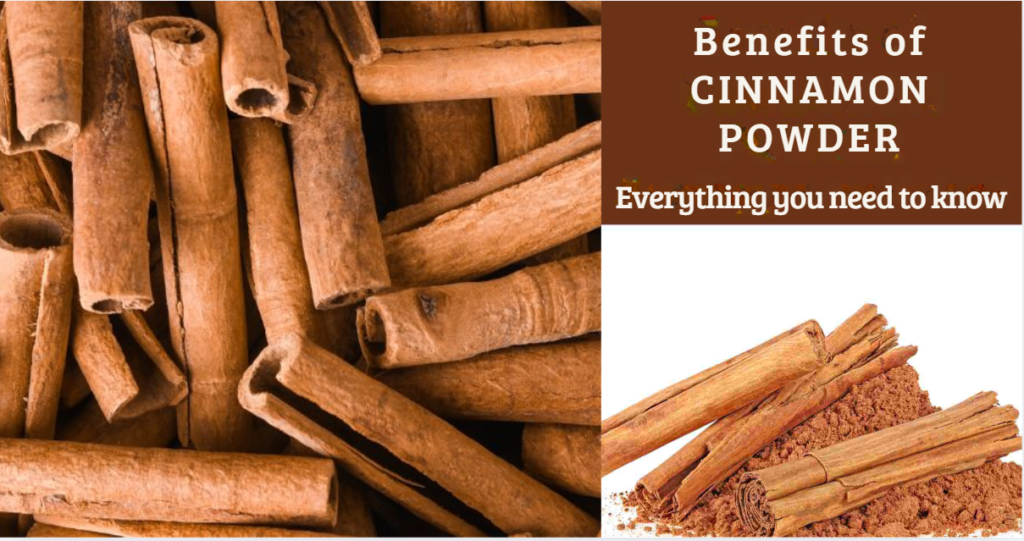
Typically consumed in food, tea, or smoothies. Studies often use 1–6 grams per day for measurable metabolic effects.
H3: Extracts and Supplements
Standardized extracts may provide concentrated bioactive compounds, allowing for lower doses while retaining efficacy. Always follow product guidance and consult healthcare professionals if taking medications.
How Can Cinnamon Be Integrated Into Daily Life?
Practical dietary strategies enhance the benefits of cinnamon while maintaining flavor and enjoyment.
H3: Culinary Uses
Sprinkle on oatmeal, yogurt, or fruit; incorporate into coffee, tea, or baked goods; mix with warm milk or plant-based alternatives.
H3: Combination With Other Nutrients
Pairing cinnamon with fiber-rich foods and protein can amplify blood sugar-stabilizing effects. Combining with anti-inflammatory herbs like turmeric may enhance systemic benefits.
H3: Moderation and Monitoring
While cinnamon is generally safe, excessive intake—particularly of Cassia—may cause liver stress. Monitor consumption and rotate with other spices for a balanced diet.
Conclusion: Harnessing Cinnamon for Health Beyond Flavor
Cinnamon is a multifaceted spice with compelling evidence supporting its use in blood sugar regulation, cardiovascular health, cognitive function, and antimicrobial support. Its bioactive compounds, particularly cinnamaldehyde and polyphenols, provide antioxidant and anti-inflammatory effects that contribute to overall wellness.
Integrating cinnamon into the diet thoughtfully—preferably Ceylon cinnamon in moderate amounts—can complement healthy lifestyle practices. While not a replacement for medical treatment, cinnamon serves as a functional food that combines enjoyment with measurable physiological benefits.
Important Disclaimer
This article is intended for educational purposes and does not substitute professional medical advice. Individuals with chronic health conditions, allergies, or those taking medications should consult a healthcare provider before beginning regular cinnamon supplementation. Excessive intake of Cassia cinnamon may lead to liver toxicity.