“Eat your retinol” is more than a catchy wellness phrase—it reflects a powerful nutritional principle grounded in biochemistry and dermatological science. While topical retinol dominates skincare conversations, vitamin A obtained through food plays a foundational role in skin renewal, immune resilience, vision, and cellular integrity. Understanding how dietary vitamin A functions in the body reveals why nourishing your skin from within is just as important as what you apply externally.
Retinol, a biologically active form of vitamin A, influences gene expression, collagen production, epithelial repair, and immune regulation. This article explores the science behind consuming vitamin A–rich foods, how the body converts plant compounds into retinol, and how “eating your retinol” supports long-term health.
What Is Retinol and How Does It Function in the Body?
Retinol is a fat-soluble form of vitamin A essential for growth, vision, reproduction, and cellular differentiation.
H3: Active Vitamin A vs. Provitamin A Carotenoids
Vitamin A exists in two main dietary forms:
- Preformed vitamin A (retinol and retinyl esters) from animal-based foods such as liver, eggs, and dairy.
- Provitamin A carotenoids, primarily beta-carotene, found in colorful fruits and vegetables like carrots, sweet potatoes, and spinach.
The body converts beta-carotene into retinol as needed, making plant-based sources a flexible and safer way to maintain optimal levels.
H3: Cellular Mechanisms of Action
Once absorbed, retinol is converted into retinal and retinoic acid. Retinoic acid binds to nuclear receptors (RAR and RXR), regulating gene transcription. This process influences:
- Skin cell turnover
- Collagen synthesis
- Immune cell differentiation
- Vision via retinal function in the retina
These molecular pathways explain why vitamin A is fundamental to skin clarity, wound healing, and overall tissue integrity.
How Does Eating Retinol Support Skin Health?
The skin is one of the most visible beneficiaries of adequate vitamin A intake.
H3: Enhancing Cellular Turnover
Vitamin A promotes keratinocyte differentiation and accelerates natural exfoliation. Adequate intake helps maintain smoother texture and supports healthy shedding of dead skin cells.
H3: Supporting Collagen Production
Retinoic acid influences fibroblast activity and collagen synthesis. While topical retinoids directly stimulate collagen in the dermis, dietary retinol provides the foundational nutrients necessary for continuous repair and regeneration.
H3: Reducing Oxidative Stress
Carotenoids act as antioxidants, neutralizing free radicals generated by UV exposure and pollution. This internal defense supports skin resilience from within.
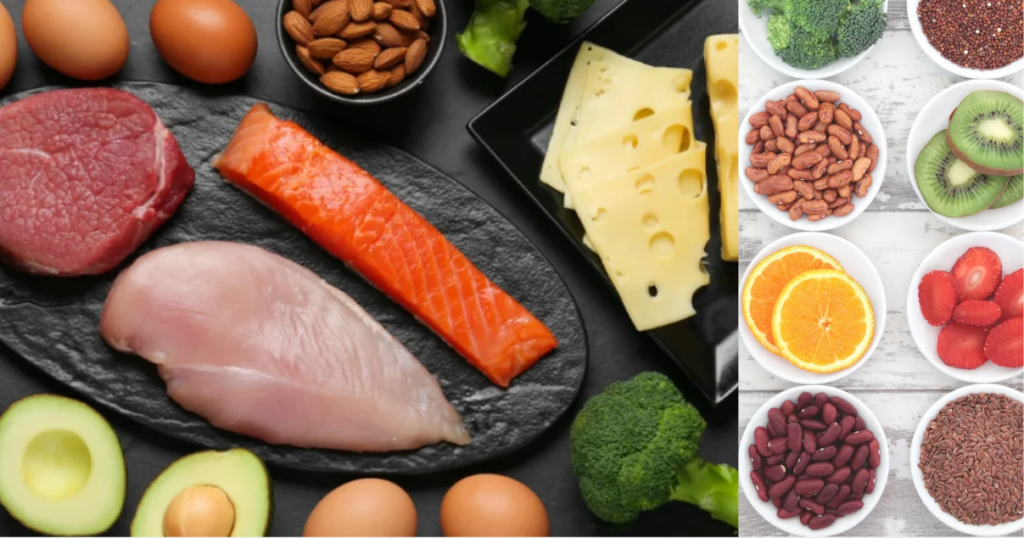
Which Foods Help You “Eat Your Retinol”?
Incorporating vitamin A–rich foods into daily meals is both practical and effective.
H3: Animal-Based Sources (Preformed Vitamin A)
- Beef liver (one of the richest sources)
- Egg yolks
- Full-fat dairy products
- Oily fish
These provide readily available retinol but should be consumed in moderation due to the risk of excessive intake.
H3: Plant-Based Sources (Beta-Carotene)
- Carrots
- Sweet potatoes
- Butternut squash
- Spinach and kale
- Red and orange bell peppers
These foods supply carotenoids that the body converts into retinol based on physiological need, offering a built-in safety mechanism.
H3: The Role of Dietary Fat
Because vitamin A is fat-soluble, consuming it with healthy fats (olive oil, avocado, nuts) significantly improves absorption.
How Does Vitamin A Influence Immune Function?
Beyond aesthetics, eating retinol supports immune resilience.
H3: Maintaining Mucosal Barriers
Vitamin A strengthens epithelial tissues lining the respiratory, gastrointestinal, and urinary tracts. These barriers serve as the first line of defense against pathogens.
H3: Modulating Immune Cells
Retinoic acid plays a role in T-cell differentiation and antibody production. Deficiency impairs immune responsiveness and increases infection susceptibility.
H3: Clinical Implications
In populations with deficiency, vitamin A supplementation reduces morbidity from infectious diseases, highlighting its foundational role in immune integrity.
What Is the Connection Between Retinol and Vision?
The historical association between carrots and eyesight has scientific validity.
H3: Role in the Visual Cycle
Retinal, a derivative of retinol, combines with opsin to form rhodopsin, a pigment required for low-light and night vision.
H3: Preventing Deficiency Disorders
Inadequate vitamin A can lead to night blindness and, in severe cases, xerophthalmia. Adequate dietary intake protects retinal health and supports long-term visual function.
How Does Retinol Affect Hormonal and Reproductive Health?
Vitamin A influences developmental and reproductive processes at the cellular level.
H3: Gene Expression in Development
Retinoic acid regulates embryonic gene expression and tissue differentiation, making balanced intake crucial during pregnancy—though excessive supplementation can be harmful.
H3: Hormonal Balance
Vitamin A interacts with thyroid hormone metabolism and supports reproductive tissue integrity, highlighting its systemic influence beyond skin health.
Which Factors Influence Absorption and Conversion?
Not all individuals process vitamin A identically.
H3: Genetic Variability
Certain genetic polymorphisms affect the conversion efficiency of beta-carotene to retinol, meaning some individuals may require higher dietary intake.
H3: Digestive Health
Fat malabsorption disorders, liver dysfunction, or restrictive diets can impair vitamin A storage and transport.
H3: Nutrient Interactions
Zinc is essential for retinol-binding protein synthesis. Inadequate zinc can impair vitamin A mobilization, even when intake appears sufficient.
How Can You Safely Optimize Vitamin A Intake?
Balancing adequacy and safety is critical.
H3: Recommended Intake Levels
The Recommended Dietary Allowance (RDA) for adults is approximately:
- 700 micrograms RAE (women)
- 900 micrograms RAE (men)
Most balanced diets meet these needs without supplementation.
H3: Avoiding Toxicity
Excessive intake of preformed vitamin A from supplements or large quantities of liver can lead to hypervitaminosis A, causing headaches, liver damage, and bone abnormalities. Plant-based carotenoids do not carry the same toxicity risk.
H3: Whole-Food Approach
Focusing on diverse, colorful produce combined with moderate animal sources ensures safe, sustained vitamin A sufficiency.
Conclusion: Nourishing Skin and Health from Within
“Eat your retinol” encapsulates a deeper scientific truth: radiant skin and resilient health begin at the cellular level. While topical retinoids remain powerful dermatological tools, dietary vitamin A forms the biochemical foundation for tissue repair, immune function, and visual health.
By consuming a balanced diet rich in carotenoid-containing vegetables and moderate preformed vitamin A sources, individuals can support collagen production, protect against oxidative stress, and maintain systemic vitality. Nutrition does not replace skincare—it enhances it from within.
Important Disclaimer
This article is for informational purposes only and does not replace professional medical advice. Individuals who are pregnant, have liver conditions, or are considering vitamin A supplementation should consult a qualified healthcare provider to avoid toxicity or adverse effects.