Omega-3 fatty acids are among the most extensively studied nutrients in modern nutritional science. Classified as essential fats, they cannot be synthesized efficiently by the human body and must be obtained through diet. Their influence spans cardiovascular integrity, neurological performance, inflammatory balance, metabolic regulation, and cellular membrane function. Understanding the food sources of omega-3 for daily health provides a scientifically grounded pathway toward preventive nutrition and long-term physiological resilience.
This article offers a comprehensive analysis of omega-3 fatty acids, their biological mechanisms, top dietary sources, bioavailability factors, clinical relevance, and strategies for optimal intake.
What Are Omega-3 Fatty Acids and Why Are They Essential?
Omega-3 fatty acids are polyunsaturated fats characterized by a double bond at the third carbon from the methyl end of the fatty acid chain. They are structurally unique and biologically indispensable.
H3: The Three Primary Types of Omega-3
There are three principal forms relevant to human health:
- Alpha-linolenic acid (ALA): Found primarily in plant-based foods.
- Eicosapentaenoic acid (EPA): Commonly derived from marine sources.
- Docosahexaenoic acid (DHA): Highly concentrated in the brain and retina.
ALA can be converted into EPA and DHA, but this conversion is limited and inefficient in humans. Therefore, direct dietary sources of EPA and DHA are often recommended.
H3: Structural Role in Cell Membranes
Omega-3 fatty acids integrate into phospholipid bilayers, enhancing membrane fluidity and optimizing cellular signaling. This structural role underpins their wide-ranging physiological effects.
How Do Omega-3 Fatty Acids Influence Inflammation?
Chronic low-grade inflammation is implicated in cardiovascular disease, metabolic syndrome, and neurodegeneration. Omega-3 fatty acids play a regulatory role in inflammatory pathways.
H3: Eicosanoid Production
EPA competes with omega-6 fatty acids for enzymatic pathways, producing anti-inflammatory eicosanoids rather than pro-inflammatory mediators.
H3: Specialized Pro-Resolving Mediators
DHA and EPA are precursors to resolvins and protectins—molecules that actively resolve inflammation rather than merely suppress it.
This modulation supports balanced immune responses and reduces the risk of chronic inflammatory disorders.
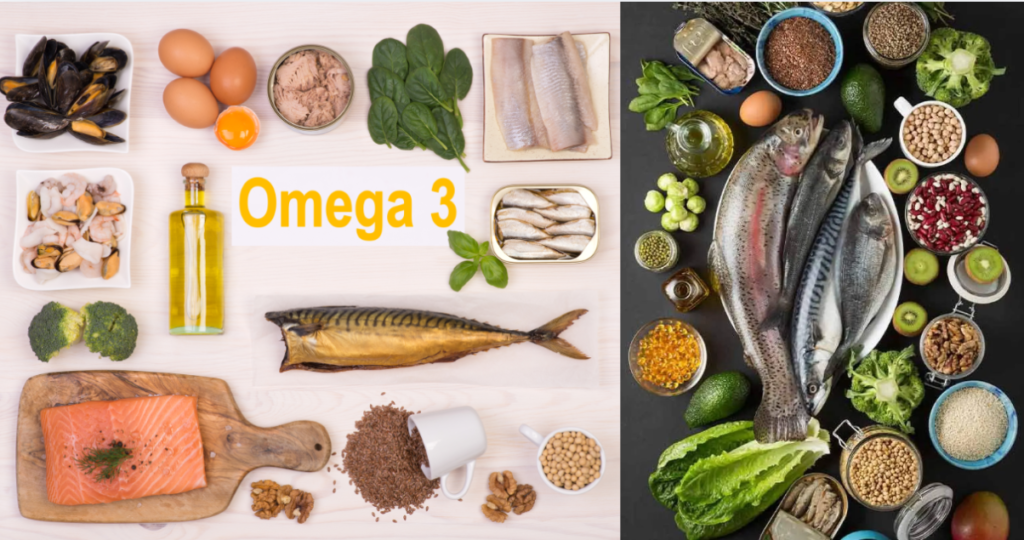
What Are the Best Marine Food Sources of Omega-3?
Marine foods provide the most bioavailable forms of EPA and DHA.
H3: Fatty Fish
Salmon, mackerel, sardines, anchovies, and herring are among the richest sources. A single serving of salmon can provide over 1,500 mg of combined EPA and DHA.
H3: Shellfish
Oysters and mussels contain moderate amounts of omega-3 while also supplying zinc and other trace minerals.
H3: Fish Oils
Fish liver oils, such as cod liver oil, provide concentrated DHA and EPA but should be consumed with awareness of vitamin A content.
Regular inclusion of fatty fish two to three times per week aligns with many international dietary recommendations.
Which Plant-Based Foods Provide Omega-3?
Plant-derived omega-3 primarily consists of ALA.
H3: Flaxseeds
Flaxseeds and flaxseed oil are among the richest plant sources of ALA. Grinding flaxseeds enhances bioavailability.
H3: Chia Seeds
Chia seeds provide substantial ALA along with fiber and antioxidants.
H3: Walnuts
Walnuts offer a balanced nutrient profile, including healthy fats and polyphenols.
H3: Hemp Seeds
Hemp seeds contain ALA and maintain a favorable omega-6 to omega-3 ratio.
Although beneficial, plant sources require metabolic conversion to EPA and DHA, which may be limited.
How Do Omega-3 Fatty Acids Support Cardiovascular Health?
Omega-3 fatty acids exert multiple cardioprotective effects.
H3: Lipid Profile Improvement
EPA and DHA reduce triglyceride levels and may modestly increase HDL cholesterol.
H3: Blood Pressure and Vascular Function
Omega-3s improve endothelial function and may slightly reduce systolic and diastolic blood pressure.
H3: Anti-Thrombotic Properties
They decrease platelet aggregation, lowering the risk of clot formation.
Clinical trials demonstrate significant reductions in cardiovascular mortality in populations with higher marine omega-3 intake.
How Do Omega-3 Fatty Acids Affect Brain and Cognitive Function?
DHA is a structural component of neuronal membranes and is especially concentrated in the cerebral cortex.
H3: Synaptic Plasticity
Adequate DHA supports neurotransmitter signaling and synaptic flexibility, essential for learning and memory.
H3: Mood Regulation
Low omega-3 status has been associated with mood disorders. EPA, in particular, may support emotional regulation.
H3: Neuroprotection
Omega-3 fatty acids reduce neuroinflammation and oxidative stress, potentially lowering the risk of cognitive decline.
Which Factors Influence Omega-3 Absorption and Balance?
Dietary patterns and metabolic factors shape omega-3 efficacy.
H3: Omega-6 to Omega-3 Ratio
Modern diets often contain excessive omega-6 fatty acids, which compete for enzymatic pathways. Reducing processed seed oils can help restore balance.
H3: Dietary Fat Intake
Omega-3 absorption improves when consumed with other dietary fats.
H3: Genetic Variability
Individual differences in fatty acid metabolism influence conversion efficiency from ALA to EPA and DHA.
How Much Omega-3 Is Required for Daily Health?
Optimal intake varies based on health status and life stage.
H3: General Recommendations
Most health authorities recommend at least 250–500 mg per day of combined EPA and DHA for adults.
H3: Higher Needs
Pregnant and lactating women require adequate DHA for fetal brain and retinal development.
H3: Upper Safety Limits
Omega-3 intake up to 3,000 mg per day from supplements is generally considered safe for most individuals, though medical supervision is advised at higher doses.
How Can Omega-3 Be Integrated into Daily Nutrition?
Sustainable dietary strategies ensure consistent intake.
H3: Prioritize Whole Foods
Incorporate fatty fish into weekly meal planning and use plant sources daily.
H3: Consider Fortified Foods
Some eggs, dairy products, and plant-based beverages are enriched with DHA.
H3: Evaluate Supplementation When Necessary
For individuals who avoid fish, algae-based DHA supplements provide a plant-derived alternative.
Conclusion: Building a Foundation of Essential Fats for Lifelong Health
Omega-3 fatty acids represent a cornerstone of preventive nutrition. Their structural, anti-inflammatory, cardioprotective, and neuroprotective roles make them indispensable for daily health. Marine sources provide the most bioavailable EPA and DHA, while plant-based foods contribute valuable ALA within diversified diets.
Balancing omega-3 intake with reduced omega-6 consumption, emphasizing whole foods, and aligning intake with life-stage needs supports metabolic stability and long-term vitality. Essential fats are not merely dietary components—they are biochemical architects of systemic health.
Important Disclaimer
This article is for informational purposes only and does not replace professional medical advice. Individuals with bleeding disorders, cardiovascular conditions, or those taking anticoagulant medications should consult a healthcare provider before initiating high-dose omega-3 supplementation.