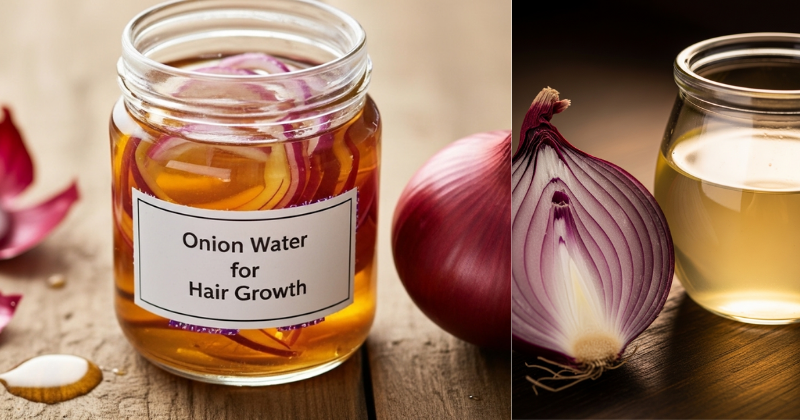
Onion water for hair growth has accumulated one of the most substantial evidence bases among botanical hair treatments — and unlike many folk remedies, the research validating its use extends beyond anecdotal tradition into controlled clinical trials documenting measurable regrowth. A study published in the Journal of Dermatology found that 86.9% of participants with alopecia areata experienced cosmetically acceptable regrowth after applying crude onion juice twice daily for two months, compared to only 13% in the control group using tap water. The mechanisms underlying these effects involve onion’s high sulfur content (providing cysteine and methionine building blocks for keratin synthesis), quercetin and other flavonoids that improve scalp microcirculation through endothelium-dependent vasodilation, and preliminary evidence suggesting organosulfur compounds may inhibit 5-alpha reductase — the enzyme converting testosterone to the hair-loss-promoting dihydrotestosterone (DHT). This guide provides the complete protocol for preparing and using onion water as a scalp treatment, explains the science behind why it works, and sets realistic expectations about timeline and results.
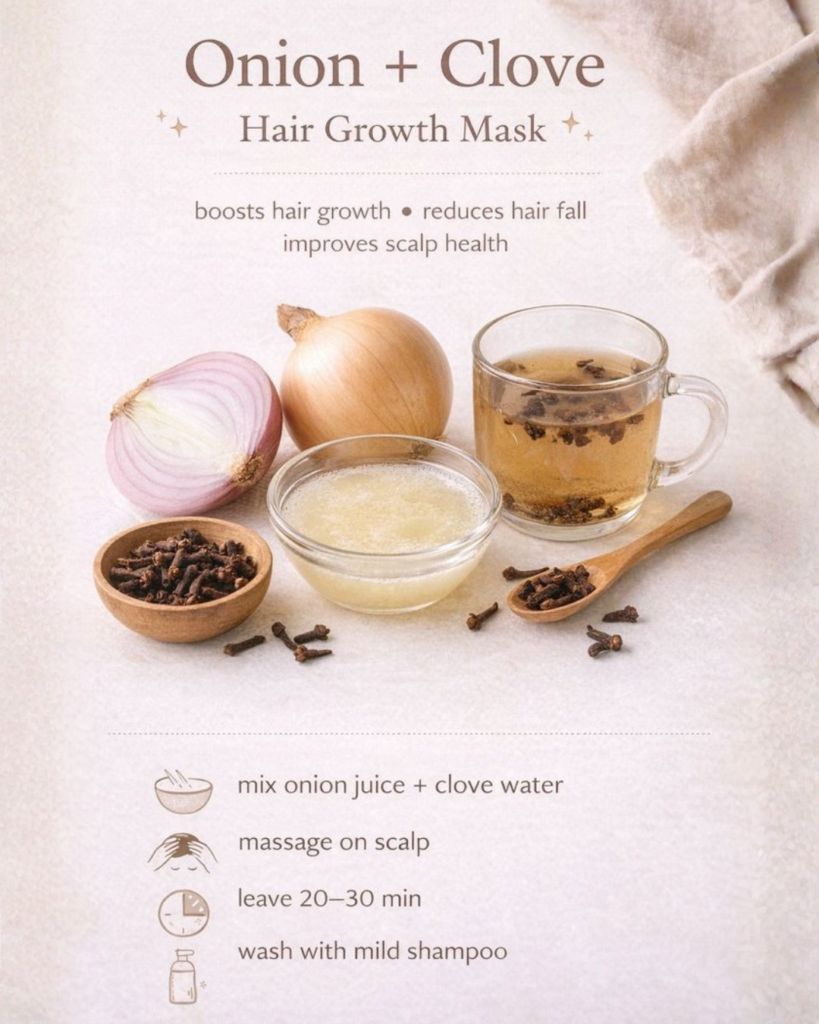
The Biochemical Basis: Why Onion Water Affects Hair Growth
Understanding the specific phytochemical constituents in onion and their documented effects on follicular biology transforms this treatment from folk remedy into evidence-informed intervention.
Sulfur Compounds and Keratin Synthesis
Hair is approximately 95% keratin — a structural protein rich in the sulfur-containing amino acids cysteine and methionine. These amino acids form disulfide bonds (S-S bridges) that provide hair’s strength, structure, and resilience. Onions contain exceptionally high concentrations of organosulfur compounds including alliin, S-allylcysteine, diallyl disulfide, and others that provide both sulfur as a direct substrate for keratin synthesis and compounds that may stimulate the cellular mechanisms governing hair growth.
Research documents that dietary and topical sulfur supplementation improves hair quality metrics including thickness, strength, and growth rate in sulfur-insufficient populations. While most Western diets provide adequate sulfur through protein intake, topical delivery via onion water provides direct follicular exposure at concentrations difficult to achieve through systemic supplementation alone.
Quercetin and Microcirculatory Enhancement
Onion’s quercetin content (approximately 30-50mg per 100g of red onion, the highest among common onion varieties) provides the flavonoid antioxidant with documented vascular effects. Quercetin stimulates endothelial nitric oxide synthase (eNOS), increasing nitric oxide (NO) production that produces vasodilation through smooth muscle relaxation in arterioles. Enhanced blood flow to follicular dermal papilla cells — the specialized fibroblasts at the base of each hair follicle that regulate the hair growth cycle — improves delivery of oxygen, nutrients, and growth factors essential for maintaining the anagen (active growth) phase.
The hair growth study cited in the introduction specifically attributed onion’s efficacy partially to this circulatory mechanism, noting that improved scalp blood flow appeared to accelerate the transition of follicles from telogen (resting phase) back into anagen.
Potential DHT-Inhibiting Properties
Preliminary research (requiring further clinical validation) suggests that certain organosulfur compounds in onion may inhibit 5-alpha reductase activity — the enzyme responsible for converting testosterone to DHT in hair follicles. DHT binding to androgen receptors in follicular dermal papilla cells triggers the progressive miniaturization characterizing androgenetic alopecia (male and female pattern hair loss). If onion compounds genuinely inhibit this enzyme with meaningful potency, the mechanism would position onion water as a natural alternative to finasteride (the prescription 5-alpha reductase inhibitor used for pattern hair loss) — though the evidence supporting this mechanism remains considerably less robust than the evidence for sulfur delivery and microcirculatory effects.
Complete Onion Water Preparation Protocol
The efficacy of onion water depends critically on preparation method, which determines both the concentration of bioactive compounds and the palatability of the final product.
Method 1: Fresh Onion Juice Extraction (Most Potent)
This method delivers the highest concentration of organosulfur compounds and quercetin but requires the most preparation effort and produces the strongest characteristic onion odor.
What you need:
- 2-3 medium red onions (red onions contain higher quercetin concentrations than yellow or white varieties)
- Juicer, blender, or manual grater
- Cheesecloth or fine mesh strainer
- Clean glass bottle or jar for storage
Preparation steps:
Step 1: Peel and coarsely chop the onions. If using a juicer, feed the chunks directly through the juicer and collect the liquid. If using a blender, blend the onion pieces with a small amount of water (approximately 1/4 cup per 2 onions) until liquefied, then strain through cheesecloth to separate the juice from pulp. If using a grater, grate the onions finely, collect the gratings in cheesecloth, and squeeze firmly to extract the juice.
Step 2: The extracted juice is your concentrated onion water. For direct scalp application, most people find it beneficial to dilute this juice 1:1 with plain water or rose water (which helps mask the onion odor while providing additional skin-soothing properties). Store in a sealed glass container in the refrigerator — fresh onion juice remains potent for 5-7 days refrigerated.
Expected yield: 2-3 medium onions produce approximately 100-150ml of juice, which after dilution provides 200-300ml of application-ready onion water — sufficient for 4-6 scalp treatments.
Method 2: Onion-Infused Water (Milder, Lower Odor)
This method extracts water-soluble compounds while leaving behind some of the more pungent volatile sulfur compounds, producing a preparation that’s less potent but more tolerable for many users.
What you need:
- 2 medium onions (any variety)
- 4 cups (1 liter) of water
- Large pot
- Strainer
- Storage bottle
Preparation steps:
Step 1: Peel and quarter the onions. Add to the pot with the water and bring to a gentle boil. Reduce heat and simmer for 15-20 minutes — the water will become pale yellow-pink and develop a mild onion aroma.
Step 2: Remove from heat and allow to cool completely. Strain out the onion pieces, reserving only the infused water. The cooled onion water can be used directly on the scalp without further dilution. Store refrigerated for up to 2 weeks.
Expected yield: This method produces approximately 3 cups (750ml) of onion-infused water after cooking evaporation — sufficient for 8-12 treatments depending on hair length and density.
Method 3: Onion Water With Enhancement Botanicals
For users seeking to amplify the hair growth effects or better mask the onion odor, adding complementary botanicals during preparation creates a synergistic formula.
Enhanced infusion ingredients:
- 2 medium onions, quartered
- 3 cups water
- 2 tablespoons fenugreek seeds (contain diosgenin, a phytoestrogen with preliminary hair growth evidence)
- 5-6 curry leaves (traditional Ayurvedic hair tonic containing beta-carotene and proteins)
- 1 tablespoon rosemary leaves (rosmarinus officinalis — contains rosmarinic acid and ursolic acid with 5-alpha reductase inhibiting properties)
Combine all ingredients, simmer for 20 minutes, cool, and strain. This enhanced preparation provides multiple complementary hair growth mechanisms in a single application.
Application Technique for Maximum Follicular Benefit
Proper application ensures the onion water reaches the scalp and follicles rather than merely coating hair shafts where growth-promoting compounds provide no benefit.
Pre-Application Scalp Preparation
Begin with dry, product-free hair and scalp. If you typically use styling products, consider applying onion water on wash day before shampooing, or wait 24 hours after washing when natural scalp oils have begun to return (these oils may actually improve penetration of lipophilic onion compounds). Part hair into multiple sections using hair clips, exposing the scalp surface systematically for direct application.
Direct Scalp Application Protocol
Pour a small amount (approximately 2-3 tablespoons) of your prepared onion water into a small bowl. Using your fingertips, a cotton ball, or a dropper applicator, apply the onion water directly onto the scalp along each part line. Work systematically from front hairline to crown to back, ensuring complete scalp coverage. The goal is scalp saturation, not hair shaft coating.
The Essential Massage Component
Once the scalp is thoroughly wetted with onion water, massage with the pads of your fingers using firm, small circular motions for 5-10 minutes. This massage serves multiple critical functions: it mechanically distributes the onion water across the entire scalp surface, stimulates blood flow through pressure-induced vasodilation that complements onion’s quercetin-mediated circulatory effects, and potentially enhances compound penetration into follicular openings. Research documents that scalp massage alone (independent of any topical preparation) increases hair thickness through mechanical stretching of dermal papilla cells that upregulates hair cycle genes — combining massage with onion water’s phytochemical effects creates genuine synergy.
Contact Time and Removal
Allow the onion water to remain on the scalp for a minimum of 30 minutes for meaningful absorption of sulfur compounds and flavonoids. Many users achieve better results with 1-2 hours of contact time. For maximum benefit, some practitioners recommend overnight application (6-8 hours) — though this requires comfort with the characteristic onion odor on pillows despite covering hair with a shower cap.
Remove with a gentle, sulfate-free shampoo. A single shampoo application typically removes the onion water adequately, though two shampoo cycles ensure complete removal if odor persists. A final rinse with dilute apple cider vinegar (1 tablespoon vinegar in 1 cup water) or lemon juice neutralizes any lingering onion odor through acid-base chemistry.
Treatment Frequency and Timeline
For active hair growth support, apply onion water 2-3 times weekly. The hair growth cycle means that follicles stimulated into anagen won’t produce visible hair for 6-8 weeks, and measurable density changes require 3-4 months of consistent application — this biological timeline cannot be accelerated. The research documenting 86.9% response rates required 8 weeks of twice-daily application before cosmetically acceptable regrowth appeared. Consistency through this initial period separates successful from abandoned treatment attempts.
Advanced Strategies for Enhanced Results
Combining Onion Water With Scalp Dermarolling
Microneedling the scalp with a 0.5mm dermaroller before onion water application creates temporary microchannels that dramatically improve compound penetration. Research comparing minoxidil alone versus minoxidil combined with weekly microneedling documented four times greater hair count increase in the combined group. The microneedling also independently stimulates hair growth through wound healing responses that upregulate platelet-derived growth factor and VEGF. Use the dermaroller weekly, immediately followed by onion water application while channels remain open (within 15 minutes). Thoroughly disinfect the roller before and after each use.
Onion Water Plus Carrier Oil for Dry Scalps
For scalps that are dry, flaky, or sensitive, applying plain aqueous onion water can be excessively drying, potentially creating irritation that impairs rather than supports follicular health. Mixing 2 parts onion water with 1 part coconut oil, castor oil, or jojoba oil creates an emulsion that delivers onion’s active compounds while simultaneously providing the lipid barrier support that dry scalps require. Warm the oil slightly before mixing to improve emulsification. This approach is particularly appropriate for individuals with seborrheic dermatitis, psoriasis, or naturally dry scalp types.
Building a Comprehensive Hair Growth Protocol
Onion water achieves maximum results as one component within a systematic hair growth protocol addressing multiple contributing factors. Pairing topical onion water with adequate dietary protein (providing amino acid substrates for keratin synthesis), iron sufficiency (ferritin above 70 ng/mL correlates with optimal hair growth in research), bioavailability-enhanced collagen peptide supplementation (supporting structural protein synthesis), stress management (preserving HPA axis regulation that influences hair cycling), and sleep optimization creates a multi-level intervention where each component supports the others.
Troubleshooting Common Challenges
Managing the Persistent Onion Odor
The organosulfur compounds providing onion’s therapeutic benefits also produce its distinctive odor — a practical obstacle causing many users to discontinue treatment prematurely. Several strategies minimize odor intensity without compromising efficacy. Diluting fresh onion juice with rose water masks the scent with floral aromatics. Adding 5-10 drops of rosemary, lavender, or peppermint essential oil to the prepared onion water provides pleasant fragrance that neutralizes onion smell. The infusion method (Method 2) produces substantially less odor than fresh juice extraction. Applying treatments before bed and shampooing in the morning confines odor exposure to sleep hours. If odor remains intolerable despite these measures, reducing application frequency to once weekly while maintaining consistency over the 3-4 month evaluation period often provides acceptable results with more manageable odor exposure.
Scalp Irritation or Allergic Reaction
Onion contains compounds that can cause contact dermatitis in sensitive individuals, typically manifesting as redness, itching, or burning that persists beyond the immediate post-application period. Always perform a patch test before first scalp use: apply a small amount of prepared onion water to the inner forearm, cover with a bandage, and monitor for 24 hours. Absence of reaction indicates tolerance. If scalp irritation occurs during use, dilute the onion water further (if using Method 1, try 1 part juice to 3 parts water), reduce application frequency, or switch to the milder infusion method. Persistent irritation despite modifications indicates individual intolerance — discontinue use and consider alternative treatments.
Lack of Visible Results After Consistent Use
If no improvement appears after 3 months of consistent 2-3 times weekly application, several factors warrant investigation. The hair loss may be driven by mechanisms that onion water doesn’t address — autoimmune alopecia areata, cicatricial (scarring) alopecia, or hormonal conditions require medical diagnosis and treatment. Nutritional deficiencies (iron, zinc, biotin, protein) may be limiting hair growth capacity regardless of topical treatments. The onion water preparation may be suboptimal — ensure you’re using Method 1 or 2 as described rather than excessively diluted preparations. Genetic androgenetic hair loss may require pharmaceutical intervention (minoxidil, finasteride) for substantial improvement. Medical consultation with a dermatologist specializing in hair loss provides definitive assessment when home treatments prove insufficient.
Conclusion
Onion water for hair growth represents one of the most evidence-supported botanical hair treatments available, with controlled clinical trials documenting meaningful regrowth rates through mechanisms grounded in follicular biology. The sulfur compounds provide keratin synthesis substrates, quercetin enhances follicular blood supply, and preliminary evidence suggests possible DHT-inhibiting activity. Prepare using Method 1 for maximum potency or Method 2 for better tolerability, apply with direct scalp technique and thorough massage, and maintain consistent 2-3 times weekly application through the 3-4 month timeline that hair biology requires. The transformation in hair density and quality that onion water can produce is genuinely achievable — but it requires understanding the mechanisms, following proper preparation and application protocols, and maintaining consistency through the biological timeline that no treatment can circumvent.
Important Disclaimer: This article is for informational purposes only and should not replace professional advice. For significant or sudden hair loss, consult dermatologists to rule out underlying medical conditions requiring treatment. Individual results may vary. Always perform patch tests before applying new topical preparations to the scalp.