Fourteen days without added sugar represents the minimum timeline for experiencing measurable metabolic, cognitive, and energy improvements that research documents occur when the body transitions from high-sugar to low-sugar metabolism. The average American consumes approximately 17 teaspoons (71 grams) of added sugar daily — nearly triple the American Heart Association’s recommendation of 6 teaspoons for women and 9 for men. This chronic excess drives insulin resistance, inflammatory cascades, dopamine dysregulation in reward pathways, and the energy instability that characterizes modern metabolic dysfunction. A 14-day sugar elimination resets these systems: insulin sensitivity begins improving within 48-72 hours, inflammatory markers start declining by day 5-7, and taste receptor adaptation that reduces sugar cravings manifests by day 10-14. This guide provides the complete protocol for successfully navigating 14 days without added sugar, explains the day-by-day physiological changes you’ll experience, and equips you with strategies for managing the withdrawal symptoms and cravings that cause most attempts to fail in the first week.
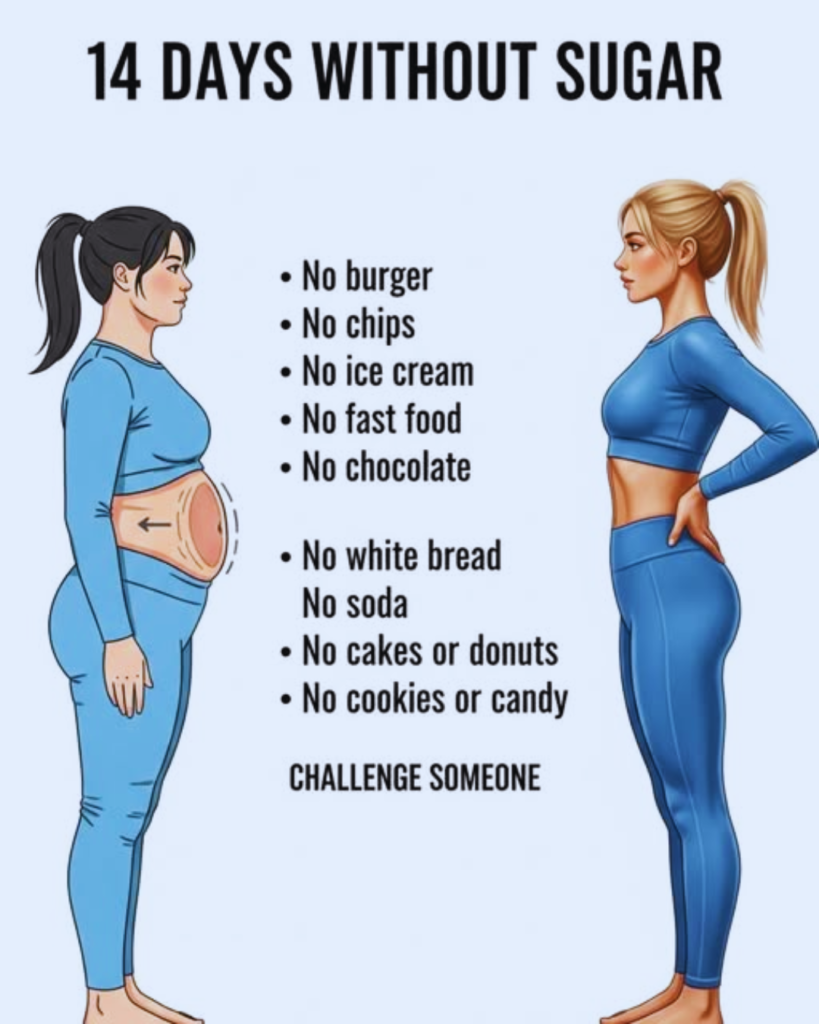
Understanding What “No Sugar” Actually Means
Clarity about which sugars you’re eliminating versus which naturally-occurring sugars you’re retaining is essential for both adherence and realistic metabolic impact.
Added Sugars vs. Intrinsic Sugars
This 14-day challenge targets added sugars — the sugars and syrups added to foods during processing or preparation — while permitting the intrinsic sugars naturally present in whole fruits, vegetables, and dairy. The distinction is not arbitrary but reflects fundamentally different metabolic impacts. Added sugars in processed foods, beverages, and desserts deliver concentrated glucose and fructose without the fiber, water content, vitamins, minerals, and phytochemicals that whole foods provide. This creates rapid blood glucose spikes, insulin surges, and the metabolic perturbations underlying insulin resistance.
Intrinsic sugars in an apple, conversely, are consumed alongside 4-5 grams of fiber (slowing glucose absorption), water (diluting sugar concentration), quercetin and other polyphenols (modulating glucose metabolism), and vitamin C (supporting cellular function). The result is moderate, sustained glucose elevation rather than the spike-and-crash pattern from added sugars.
Specifically eliminate: Table sugar, brown sugar, honey, maple syrup, agave nectar, high-fructose corn syrup, cane juice, dextrose, maltose, and all other added sweeteners in processed foods, baked goods, sweetened beverages, flavored yogurts, sauces, dressings, and condiments.
Specifically retain: Whole fruits (fresh or frozen without added sugar), plain vegetables (including naturally sweet ones like carrots, beets, sweet potatoes), plain dairy products (milk contains lactose, a naturally occurring disaccharide), and legumes.
The Hidden Sugar Challenge
Approximately 74% of processed foods contain added sugars — including products not typically perceived as sweet. Bread, crackers, pasta sauces, salad dressings, condiments (ketchup contains 4g sugar per tablespoon), cured meats, soups, and protein bars commonly contain significant added sugars. Success in the 14-day challenge requires reading ingredient labels meticulously and recognizing sugar’s 60+ names including those ending in “-ose” (sucrose, fructose, dextrose, maltose), syrups (corn syrup, rice syrup, malt syrup), and seemingly healthy alternatives (coconut sugar, date sugar, fruit juice concentrate).
The Day-by-Day Physiological Timeline
Understanding the predictable progression of physiological changes through the 14 days helps you interpret symptoms accurately and maintain motivation through challenging periods.
Days 1-3: Withdrawal and Initial Adaptation
The first 72 hours represent the most challenging period as your body and brain adapt to absent sugar stimulation. Withdrawal symptoms peak during this window and commonly include headaches (from reduced glucose availability and dopamine signaling changes), fatigue (as cells transition from glucose-primary to mixed-fuel metabolism), irritability (dopamine reward pathway downregulation produces mood changes), and intense sugar cravings (driven by both physiological signaling and psychological habit).
These symptoms reflect genuine neurochemical changes rather than weakness or failure. Sugar consumption activates dopamine release in the nucleus accumbens — the brain’s reward center — creating reinforcement learning that drives continued consumption. Sudden sugar elimination produces a temporary dopamine deficit that manifests as the symptoms above. This is temporary physiological adaptation, not permanent deprivation.
Strategies for Days 1-3: Maintain adequate overall caloric intake (don’t restrict calories simultaneously with sugar elimination — this amplifies difficulty), ensure protein adequacy at every meal (30-40g protein meals stabilize blood glucose and provide satiety), hydrate aggressively (3+ liters water daily — dehydration amplifies headaches and fatigue), and plan for increased whole fruit consumption during peak craving periods (the fiber and nutrients in whole fruit distinguish it metabolically from added sugars).
Days 4-7: Energy Stabilization and Craving Reduction
By day 4-5, the acute withdrawal symptoms typically diminish substantially as metabolic adaptation proceeds. Insulin sensitivity begins improving measurably — research documents fasting insulin reductions of 10-20% within one week of sugar elimination in insulin-resistant populations. This improved insulin sensitivity enables more stable blood glucose throughout the day, reducing the energy crashes that drive afternoon fatigue and further sugar cravings.
Subjectively, most individuals report that energy levels, while perhaps not yet optimal, become noticeably more stable than during the high-sugar baseline. The dramatic swings between post-meal energy and subsequent crashes flatten into steadier energy availability.
Strategies for Days 4-7: Begin reintroducing regular moderate exercise (if not already consistent) — exercise accelerates insulin sensitivity improvements and provides non-food dopamine stimulation that supports mood during reward pathway recalibration. Experiment with complex carbohydrate timing (consuming more carbohydrates earlier in the day when insulin sensitivity peaks naturally). Track subjective energy and mood to observe improvements that might be subtle day-to-day but dramatic when comparing day 7 to day 1.
Days 8-14: Taste Adaptation and Metabolic Optimization
The second week typically produces the most dramatic subjective improvements. Taste receptor adaptation becomes apparent — previously moderately sweet foods (fresh berries, carrots, bell peppers) taste noticeably sweeter as your palate recalibrates away from the superstimulation of added sugars. Research demonstrates that taste threshold for sweetness detection decreases (improves) within 2-3 weeks of sugar reduction, making naturally sweet whole foods more satisfying.
Cognitively, the brain fog that many individuals experience chronically on high-sugar diets begins lifting as blood glucose stability improves and inflammatory markers decrease. Sleep quality frequently improves during this period — stable overnight blood glucose prevents the 2-4 AM awakenings that blood sugar drops can trigger.
Strategies for Days 8-14: Reflect on the improvements you’ve experienced to reinforce motivation for continued adherence. Begin planning your post-14-day approach (discussed in the sustainability section). Experiment with previously enjoyed foods to observe how dramatically your taste perception has shifted — many individuals find that desserts they previously craved now taste cloyingly, unpleasantly sweet.
Practical Strategies for Meal Planning and Social Situations
Successful sugar elimination requires planning that addresses both daily meals and the social and environmental challenges that derail good intentions.
Building Sugar-Free Meals That Satisfy
The meal structure that most effectively prevents sugar cravings combines adequate protein (supporting satiety and blood glucose stability), healthy fats (providing sustained energy and nutrient absorption), fiber-rich complex carbohydrates (delivering glucose gradually), and volume from non-starchy vegetables (creating satiety through gastric distension).
Sample day structure:
- Morning: 3-egg vegetable omelet with avocado + berries + black coffee or unsweetened tea
- Midday: Large salad with grilled chicken, nuts, olive oil dressing + sweet potato + apple
- Evening: Baked salmon + roasted Brussels sprouts and cauliflower + quinoa + side salad
- Snacks (if needed): Raw vegetables with hummus, handful of almonds, plain Greek yogurt with berries, hard-boiled eggs
This structure delivers satisfaction without added sugars through adequate calories, diverse textures, natural flavors, and the satiety that protein and fat provide.
Navigating Restaurants and Social Eating
Social situations present the greatest adherence challenge because added sugars pervade restaurant foods and social eating contexts pressure conformity. Strategies include: reviewing restaurant menus online before arrival to identify safe options, requesting sauces and dressings on the side (most contain added sugars), choosing grilled or roasted protein with vegetable sides, replacing sweetened beverages with sparkling water with lemon or lime, and preparing brief non-judgmental explanations for declined desserts (“I’m doing a two-week reset” requires less explanation than detailed dietary discourse).
For social gatherings where you’re not controlling food preparation, eating a substantial meal before attending reduces hunger-driven poor choices, bringing a sugar-free contribution ensures at least one safe option, and positioning yourself away from dessert tables reduces temptation through simple environmental design.
Troubleshooting Common Challenges and Setbacks
Managing Intense Cravings That Persist Beyond Day 3
If cravings remain overwhelming beyond the initial 72-hour withdrawal period, several factors may be contributing. Total carbohydrate intake may be inadequate — extremely low-carbohydrate approaches combined with sugar elimination can produce excessive hunger and cravings; increasing complex carbohydrates (whole grains, starchy vegetables, legumes) often resolves this. Caloric restriction may be too aggressive — restricting calories simultaneously with sugar elimination amplifies difficulty; focus solely on sugar elimination for the 14 days, maintaining adequate overall intake. Sleep deprivation amplifies cravings through ghrelin elevation and leptin suppression — prioritizing 7-9 hours of sleep supports adherence. Stress drives both physiological and psychological sugar-seeking — implementing stress management practices (walking, meditation, social connection) reduces this drive.
What to Do If You Consume Sugar Accidentally or Intentionally
If you consume added sugar during the 14 days, you face a decision: restart the 14-day count (appropriate if your goal is specifically experiencing continuous sugar-free adaptation), or continue with the remaining days acknowledging the deviation (appropriate if the goal is building sustainable habits and learning from missteps rather than achieving perfection). The physiological adaptation is not entirely reset by a single exposure — a brief sugar consumption doesn’t fully reverse the insulin sensitivity improvements or taste adaptation already achieved. The psychological impact of perceived failure often causes more damage than the nutritional deviation itself. Respond with curiosity about the trigger, adjust strategies to prevent recurrence, and continue.
Transitioning Beyond 14 Days: Building Sustainable Low-Sugar Habits
The 14-day challenge provides metabolic reset and taste adaptation — but long-term benefit requires translating this intensive intervention into sustainable ongoing practice.
The 80/20 Maintenance Approach
Rigid permanent sugar elimination is neither necessary for health nor sustainable for most individuals long-term. The 80/20 principle — maintaining sugar-conscious eating approximately 80% of the time while allowing moderate flexibility 20% of the time — produces excellent metabolic outcomes while maintaining psychological and social sustainability. This might manifest as: consistently avoiding added sugars in daily meals and snacks, while occasionally enjoying desserts in true special occasions (celebrations, dining at exceptional restaurants, holiday gatherings). The key distinction is intentionality — choosing deliberately and infrequently rather than defaulting to daily desserts or sweetened beverages.
Monitoring Long-Term Metabolic Markers
Objective outcome tracking provides feedback on whether your post-challenge approach maintains the improvements achieved. Track quarterly: fasting blood glucose (target below 100 mg/dL), hemoglobin A1c (target below 5.7% for optimal metabolic health), fasting insulin (target below 10 µIU/mL), triglycerides (target below 150 mg/dL), and subjective measures including energy stability, sleep quality, and mental clarity. These markers guide adjustments — if they drift back toward baseline, sugar consumption has likely increased beyond the threshold your metabolism tolerates.
Maximizing the Benefits Beyond Blood Sugar
Anti-Inflammatory Effects and Skin Improvements
Sugar consumption drives inflammatory cascades through advanced glycation end product (AGE) formation — proteins and lipids damaged by glucose molecules that activate inflammatory signaling. Reducing sugar intake measurably reduces AGE formation and systemic inflammation. Many individuals report significant skin improvements (reduced acne, improved clarity, reduced puffiness) within 14 days of sugar elimination, reflecting both reduced inflammation and reduced insulin-stimulated sebum production that contributes to acne.
Cognitive and Mood Stabilization
The blood glucose stability achieved through sugar elimination translates directly to cognitive and mood stability. Brain glucose supply variability produces corresponding variability in cognitive performance and mood — the afternoon brain fog, difficulty concentrating, and irritability that many attribute to stress often reflect glucose instability from high-sugar breakfast and lunch choices. Stabilizing glucose through sugar elimination commonly produces improvements in sustained attention, working memory, and mood that feel transformative relative to the fluctuating baseline.
Conclusion
Fourteen days without added sugar represents a metabolically significant timeline that produces measurable improvements in insulin sensitivity, inflammatory markers, taste perception, and energy stability through physiological mechanisms that research increasingly validates. The first 3 days challenge you with withdrawal symptoms reflecting genuine neurochemical adaptation; days 4-7 bring energy stabilization and craving reduction; and days 8-14 deliver taste adaptation and the full expression of metabolic optimization. Follow the meal planning structure emphasizing protein, healthy fats, fiber, and whole foods, navigate the initial withdrawal with adequate caloric intake and strategic whole fruit consumption, and transition to sustainable 80/20 maintenance beyond the initial 14 days. Your body’s capacity for stable energy, mental clarity, and metabolic health is built into its biology — this 14-day intervention simply removes the added sugar interference that has been preventing that capacity from expressing fully.
Important Disclaimer: This article is for informational purposes only and should not replace professional advice. For health-related topics, particularly regarding nutrition and metabolism, consult healthcare providers or registered dietitians. Individuals with diabetes or other metabolic conditions should seek professional guidance before making significant dietary changes. Individual results may vary, and personal circumstances should always be considered when implementing any suggestions.