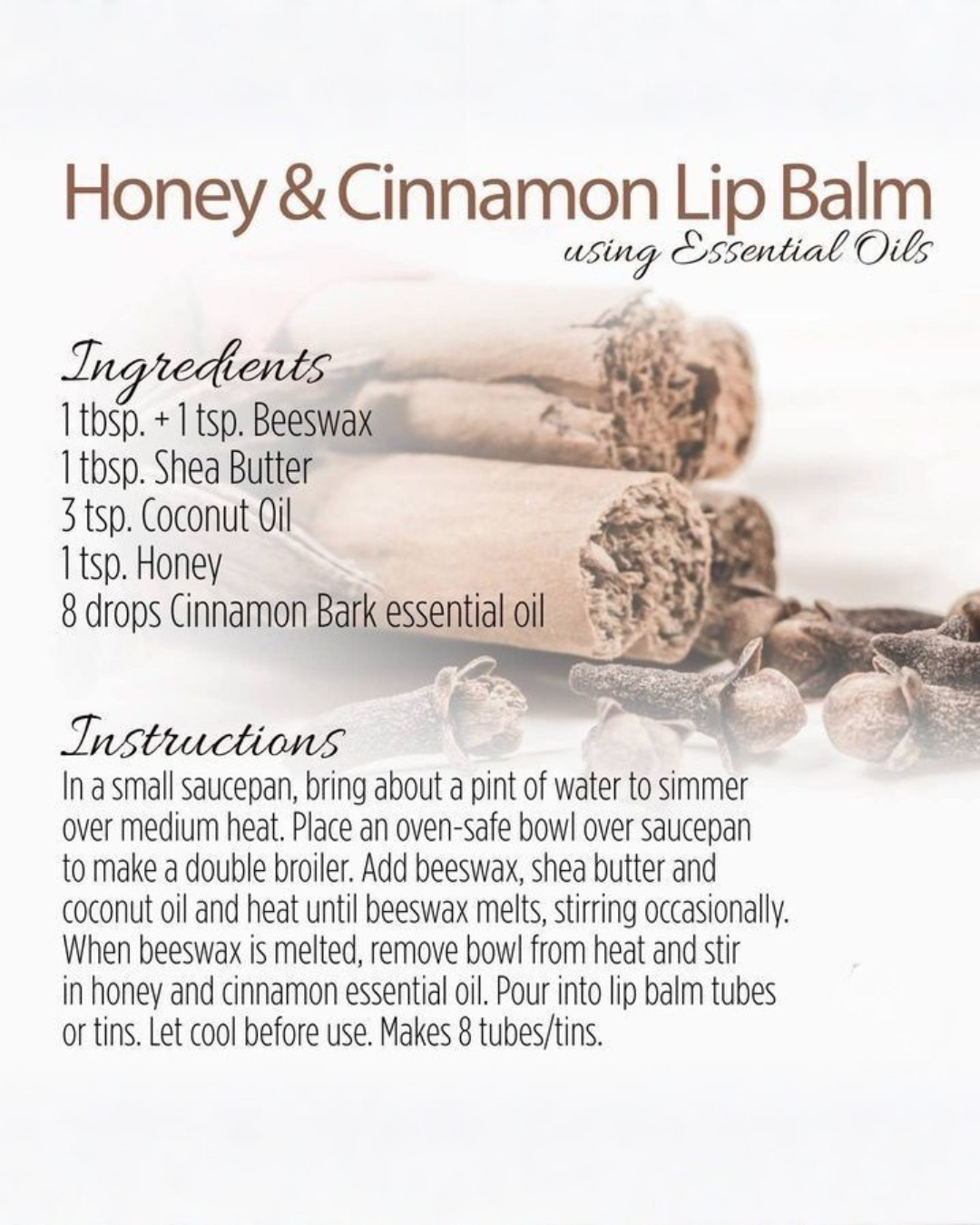
Honey and cinamon lip balm using essentiol oil is a natural, nourishing way to heal dry lips and add a soft, plump glow—using simple ingredients you may already have at home.
Have you ever felt your lips turn dry and cracked just when you needed them to look their best? Cold weather, dehydration, and even indoor heating can leave your lips begging for moisture. The good news? You can transform your lip care routine with a homemade honey and cinamon lip balm using essentiol oil that is affordable, effective, and deeply satisfying to make.
In this complete guide, you’ll discover exactly how to create your own lip balm, why these ingredients work so well together, and how to customize your recipe for the perfect finish. Whether you love DIY beauty, want to save money, or prefer natural skincare solutions, this step-by-step tutorial will empower you to achieve soft, healthy lips naturally.
Why Choose Honey and Cinamon Lip Balm Using Essentiol Oil?
Making your own honey and cinamon lip balm using essentiol oil isn’t just trendy—it’s smart. You control the ingredients, avoid harsh chemicals, and tailor the balm to your needs.
The Power of Honey for Lips
Honey has been used in skincare for centuries. It’s a natural humectant, meaning it attracts and locks in moisture. According to research published in the Journal of Cosmetic Dermatology, honey also has antimicrobial and soothing properties.
For your lips, this means:
- Deep hydration
- Support for cracked skin
- A natural glossy finish
- Gentle soothing for irritation
If you’ve read about DIY sugar lip scrubs or natural face masks, you already know honey is a powerhouse ingredient.
Why Cinamon Boosts Lip Care
Cinamon (cinnamon) is more than a kitchen spice. In lip products, it’s often used to create a mild warming effect that may temporarily enhance the look of fullness.
Benefits include:
- Gentle stimulation
- Improved appearance of circulation
- Warm, cozy scent
- Natural preservative qualities
However, cinnamon essential oil must be used carefully and in very small amounts because it is potent.
The Role of Essentiol Oil
When we say “essentiol oil,” we mean essential oil—highly concentrated plant extracts. In this honey and cinamon lip balm using essentiol oil recipe, cinnamon essential oil provides fragrance and a subtle plumping effect.
Other optional essential oils you can combine (safely and diluted) include:
- Peppermint essential oil
- Sweet orange essential oil
- Vanilla essential oil
Always ensure essential oils are lip-safe and used in extremely small dilutions (less than 1%).
Ingredients and Tools You’ll Need
Before you begin, gather everything to make the process smooth and enjoyable.
Basic Ingredients
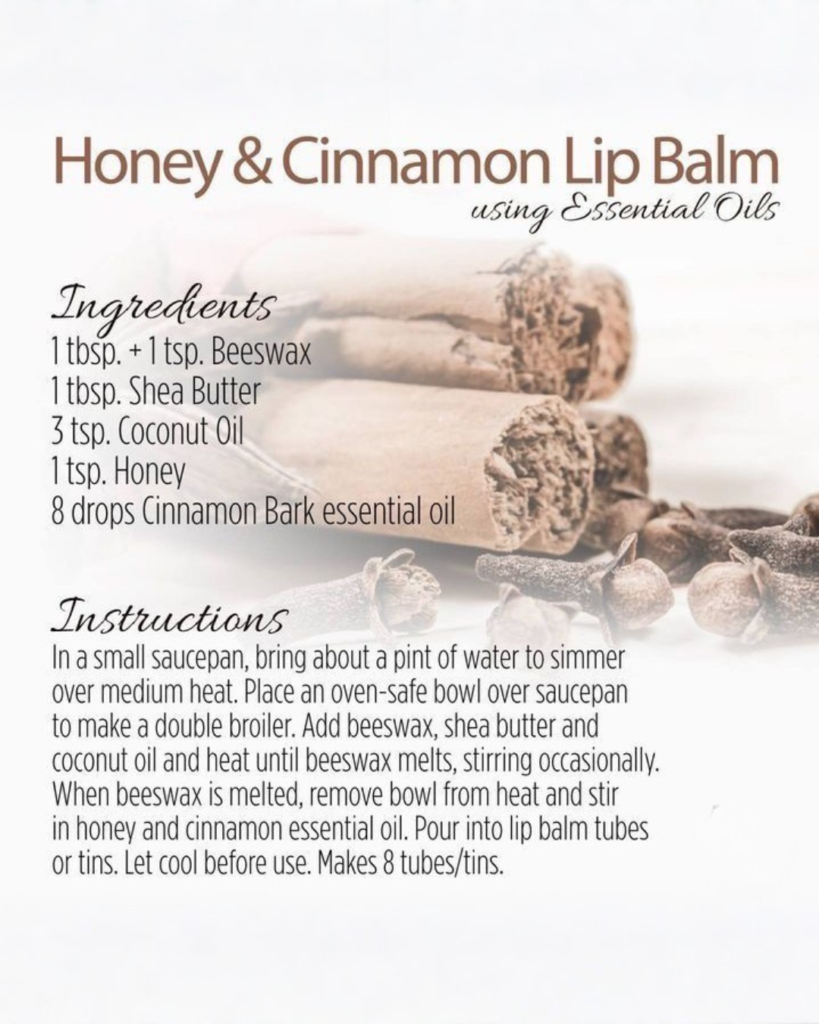
To make honey and cinamon lip balm using essentiol oil, you’ll need:
- 1 tablespoon beeswax pellets
- 1 tablespoon coconut oil or sweet almond oil
- 1 teaspoon raw honey
- 1–2 drops cinnamon essential oil
- Optional: 1–2 drops vitamin E oil
Tools Required
- Double boiler or heat-safe bowl over a pot
- Stirring stick or spoon
- Small lip balm containers or tins
- Dropper (for essential oil precision)
Safety Tip (H4)
Because cinnamon essential oil is strong, never exceed 1–2 drops per batch. Perform a patch test before applying to your lips.
Step-by-Step Guide to Making Honey and Cinamon Lip Balm Using Essentiol Oil
Now let’s break this down into easy, achievable steps. You can complete this DIY in under 20 minutes.
Step 1: Melt the Base
In a double boiler, melt:
- Beeswax
- Coconut oil (or chosen carrier oil)
Stir gently until fully combined and liquid. Keep heat low to preserve nutrients.
Step 2: Remove From Heat
Once melted, remove the mixture from heat. Allow it to cool slightly for about 1–2 minutes.
Why? Adding honey and essential oil to very hot liquid can reduce their effectiveness.
Step 3: Add Honey and Essentiol Oil
Stir in:
- 1 teaspoon raw honey
- 1–2 drops cinnamon essential oil
Mix thoroughly. The honey may separate slightly, so stir well before pouring.
Step 4: Pour and Set
Carefully pour the mixture into your containers. Let it cool at room temperature for 1–2 hours.
Once solid, your honey and cinamon lip balm using essentiol oil is ready!
Pro Tips to Elevate Your DIY Lip Balm
Ready to take your homemade lip balm to the next level? These expert insights will help you customize your results.
Adjusting Texture
- Too hard? Add more carrier oil next time.
- Too soft? Increase beeswax slightly.
Small adjustments make a big difference.
Creating Flavor Variations
Try combining cinnamon with:
- A drop of peppermint for a refreshing twist
- A hint of vanilla for warmth
- A small amount of cocoa butter for a chocolate-cinnamon vibe
This opens internal linking opportunities to articles like:
- DIY natural lip scrub recipes
- Homemade body butter guide
- Essential oil safety for beginners
- Benefits of beeswax in skincare
Adding Natural Tint
You can stir in:
- A pinch of beetroot powder
- A small amount of natural mica
This creates a subtle tinted balm without synthetic dyes.
Common Questions About Honey and Cinamon Lip Balm Using Essentiol Oil
Is Cinnamon Essential Oil Safe for Lips?
Yes, but only when properly diluted. Cinnamon essential oil is strong and may cause irritation if overused. Always use 1–2 drops maximum in a small batch and perform a patch test.
How Long Does Homemade Lip Balm Last?
Typically 3–6 months when stored in a cool, dry place. Vitamin E oil can help extend shelf life.
Can I Skip the Essential Oil?
Absolutely. If you have sensitive skin, you can make honey lip balm without essential oil and still enjoy deep hydration.
Why Does My Honey Separate?
Honey is water-based, and lip balm is oil-based. Slight separation is normal. Stir well during mixing and use quickly after setting.
Troubleshooting and Preventive Tips
Even simple DIY projects can have small hiccups. Here’s how to handle them confidently.
If It Feels Grainy
This may happen if beeswax cooled unevenly. Remelt gently and stir thoroughly before repouring.
If It Causes Tingling
Mild warmth is normal due to cinnamon. But if you feel burning:
- Stop using immediately
- Reduce essential oil in the next batch
If It Melts in Warm Weather
Store your honey and cinamon lip balm using essentiol oil in a cool place. In hot climates, slightly increase beeswax for stability.
Maximizing Results for Soft, Healthy Lips
Making the balm is just the beginning. To truly transform your lip care routine, build supportive habits.
Exfoliate Weekly
Use a gentle sugar scrub before applying balm to remove dead skin and improve absorption.
Stay Hydrated
Drinking enough water improves lip health from within. Lip balm works best on hydrated skin.
Apply Consistently
Use your honey and cinamon lip balm using essentiol oil:
- Before bed
- Before applying lipstick
- During cold or windy days
Consistency unlocks visible results.
The Cost-Saving and Lifestyle Benefits
DIY lip balm costs a fraction of store-bought natural brands. Premium organic lip balms can cost $8–$15 each. Your homemade version? Often under $2 per batch.
Beyond savings, you gain:
- Ingredient transparency
- Custom fragrance control
- Reduced packaging waste
- Creative satisfaction
There’s something powerful about crafting your own skincare.
Conclusion: Create, Customize, and Glow Naturally
Making honey and cinamon lip balm using essentiol oil is more than a DIY project—it’s a step toward natural, empowered self-care. You now know the exact ingredients, the safe dilution guidelines, and the pro tips to perfect your formula.
With just a few simple steps, you can achieve soft, nourished lips while avoiding unnecessary additives. Start small. Experiment confidently. Adjust as you learn.
Your lips deserve gentle, natural care—and now you have the knowledge to create it yourself.