Meta Description: Discover which foods commonly cause bloating and gas, how to identify triggers, and practical ways to reduce discomfort for better digestive health.
Bloating is an uncomfortable and often embarrassing issue that affects many people, sometimes daily. It can leave you feeling sluggish, heavy, and frustrated, especially after meals. Understanding what causes bloating, particularly the role of specific foods, can transform your relationship with digestion. By identifying triggers and learning how to manage them, you can regain comfort and confidence, while still enjoying a varied diet. In this guide, we’ll explore the foods most likely to contribute to gas and distension, explain why they affect your digestive system, and provide practical strategies to minimize discomfort—so you can feel light, energized, and in control.
What Is Bloating and Why Does It Happen?
Bloating occurs when your digestive system fills with air or gas, causing the stomach or intestines to expand. While occasional bloating is normal, frequent episodes may indicate dietary patterns or sensitivities.
H3: Gas Formation in the Digestive Tract
When food reaches your intestines, bacteria break down undigested components, producing gas. Certain foods ferment more readily, leading to excess air accumulation.
H3: Fluid Retention
Some foods high in sodium or refined carbohydrates can cause your body to retain water, intensifying the sensation of bloating.
H3: Common Symptoms
- Abdominal fullness or tightness
- Visible stomach distension
- Belching or flatulence
- Temporary discomfort after meals
Understanding these mechanisms helps you anticipate which foods might trigger bloating and take steps to manage it proactively.
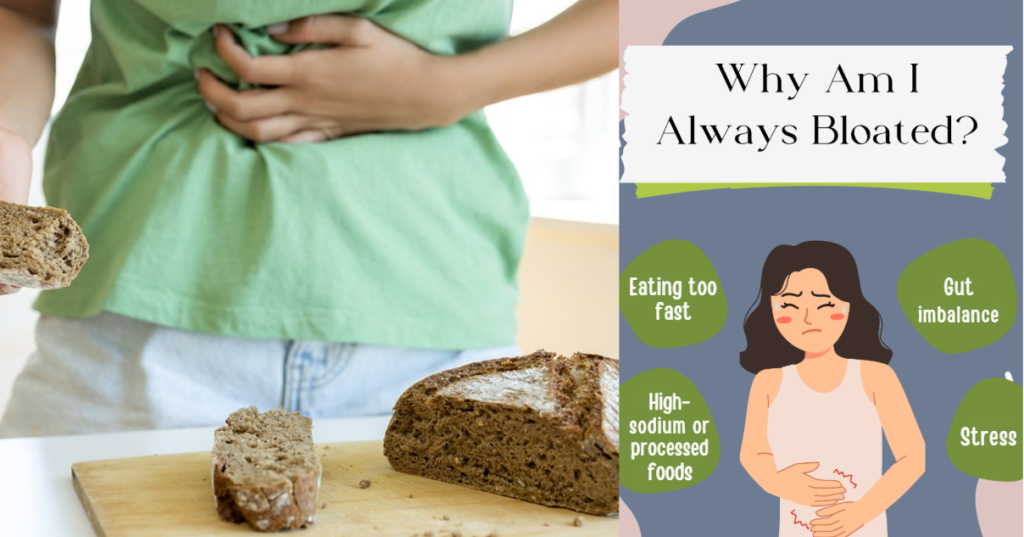
Foods Most Likely to Cause Bloating
Identifying potential culprits is the first step toward relief. While individual reactions vary, research consistently highlights several categories.
H3: High-FODMAP Foods
FODMAPs (Fermentable Oligo-, Di-, Mono-saccharides And Polyols) are short-chain carbohydrates that are poorly absorbed in the gut. They include:
- Fruits: Apples, pears, cherries
- Vegetables: Onions, garlic, cauliflower, broccoli
- Legumes: Lentils, chickpeas, kidney beans
- Sweeteners: Sorbitol, xylitol, and other sugar alcohols
These foods ferment in the gut, producing gas that contributes to bloating and discomfort.
H3: Carbonated Beverages
Sodas, sparkling water, and beer introduce extra gas into the digestive tract. The bubbles can expand in the stomach, causing temporary distension and pressure.
H3: Dairy Products
Lactose-intolerant individuals may experience bloating after milk, cheese, yogurt, or ice cream. Lactose malabsorption leads to fermentation in the colon, generating gas and cramps.
H3: Processed and Fatty Foods
Highly processed meals or those rich in unhealthy fats slow digestion. Delayed gastric emptying can trap gas and fluids, intensifying bloating.
H4: Practical Tip
Try keeping a food diary for 1-2 weeks. Tracking meals and symptoms can help you pinpoint personal triggers and patterns.
How Meal Timing and Eating Habits Affect Bloating
Even healthy foods can contribute to gas if eaten too quickly or in large portions.
H3: Eating Too Quickly
Swallowing air while eating or drinking rapidly can increase intestinal gas, amplifying bloating. Mindful eating—chewing thoroughly and savoring each bite—reduces this effect.
H3: Large or Heavy Meals
Large meals require more digestive effort, often stretching the stomach and slowing transit. Opt for smaller, balanced portions throughout the day to minimize distension.
H3: Food Combinations
Some people find certain combinations, like mixing legumes and high-fiber grains in one meal, particularly bloating-inducing. Experiment with adjusting pairings for optimal comfort.
Advanced Strategies to Reduce Food-Related Bloating
While avoiding known triggers is effective, there are additional strategies to support digestion.
H3: Prebiotic and Probiotic Support
Probiotics like Lactobacillus and Bifidobacterium can improve gut flora balance, helping to manage gas production. Prebiotic fibers, in moderation, nourish these beneficial bacteria.
H3: Cooking Methods Matter
Cooking high-FODMAP vegetables or legumes reduces fermentable sugars, making them easier to digest. Soaking beans overnight and steaming vegetables are simple, effective techniques.
H3: Herbal Aids and Spices
Ginger, peppermint, fennel seeds, and turmeric have natural digestive benefits. They may reduce gas and smooth intestinal muscles, offering symptomatic relief.
Troubleshooting Persistent Bloating
If bloating continues despite dietary adjustments, consider the following:
- Hydration: Adequate water helps move food through the digestive tract efficiently.
- Physical Activity: Light exercise, such as walking or yoga, promotes gut motility.
- Medical Evaluation: Chronic bloating can indicate conditions like IBS, celiac disease, or small intestinal bacterial overgrowth (SIBO). Consult a healthcare professional for persistent issues.
Remember, occasional bloating is normal. Patience and gradual adjustments are key to long-term relief.
Maximizing Comfort and Preventing Future Episodes
Once you identify triggers, take proactive steps to minimize discomfort and support gut health.
- Plan Balanced Meals: Incorporate low-FODMAP fruits and vegetables, lean proteins, and whole grains.
- Chew Mindfully: Reduce swallowed air and improve digestion efficiency.
- Monitor Fiber Intake: Increase fiber gradually to avoid sudden gas accumulation.
- Limit Carbonation and Artificial Sweeteners: Minimize extra gas introduction.
- Incorporate Gut-Friendly Practices: Yoga, stress management, and probiotics can enhance digestion.
By combining dietary awareness with lifestyle adjustments, you can significantly reduce bloating and enjoy meals without fear or discomfort.
Conclusion
Understanding bloating and the foods that contribute to gas and distension empowers you to take control of your digestive health. By identifying high-FODMAP foods, moderating portion sizes, practicing mindful eating, and incorporating supportive strategies like probiotics and gentle exercise, you can transform how your gut feels daily. Small, consistent adjustments lead to lasting comfort, allowing you to enjoy meals and activities without the frustration of bloating. Begin tracking your personal triggers today, experiment with helpful techniques, and discover the freedom of a lighter, more energized digestive system.
Internal Linking Opportunities:
- Learn more about [Gut-Healthy Recipes for IBS]
- Explore [Probiotic Benefits for Digestion]
- Discover [Mindful Eating Techniques]
- Check out [Low-FODMAP Meal Planning Tips]
- Read [Natural Remedies for Gas and Bloating]
Disclaimer:
Important Disclaimer: This article is for informational purposes only and should not replace professional advice. For health-related topics, consult healthcare providers. Individual results may vary, and personal circumstances should always be considered when implementing any suggestions.