Meta Description: Discover how eating the right foods can protect DNA integrity, reduce oxidative stress, and promote long-term cellular health for optimal wellness.
Every bite you take carries more than just calories—it delivers nutrients that interact with your body at the molecular level, influencing the health and stability of your DNA. Understanding how food shapes DNA integrity is crucial for anyone seeking to reduce disease risk, slow aging, and optimize overall wellness. The nutrients you consume can help repair damage, support cellular processes, and even influence how genes are expressed, unlocking the transformative potential of nutrition for long-term health.
In this guide, you’ll learn the science behind food and DNA, actionable steps to incorporate DNA-protective foods into your diet, and strategies to safeguard your genetic blueprint. By eating consciously and choosing the right nutrients, you can empower your body to maintain strong, resilient DNA and support lifelong vitality.
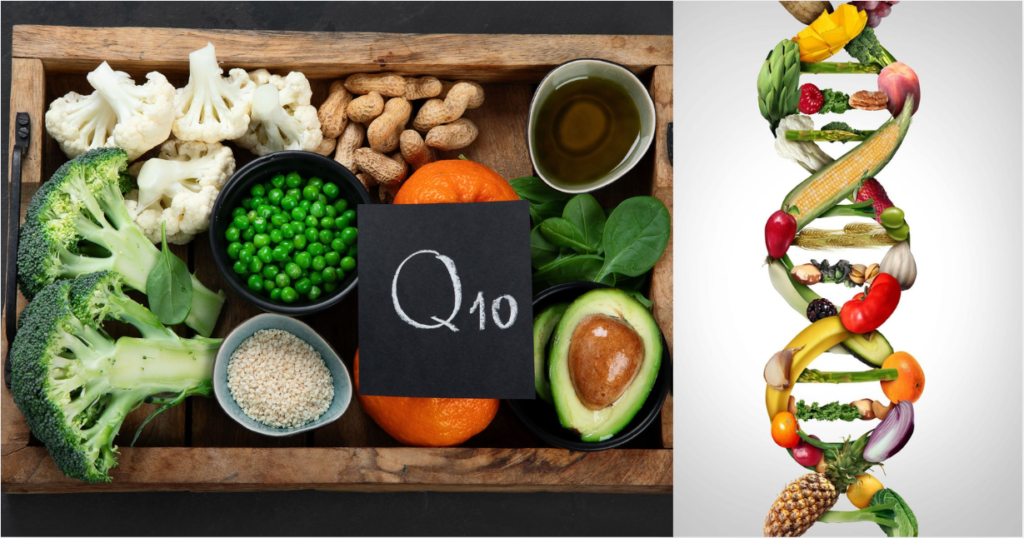
Section 1: Foundation/Getting Started
To harness the benefits of nutrition for your DNA, it’s essential to understand the basics of DNA integrity and the role of diet.
H3: What Is DNA Integrity?
DNA integrity refers to the stability and proper functioning of your genetic material. Factors like oxidative stress, inflammation, and environmental toxins can damage DNA, leading to mutations and accelerated aging. Protecting DNA integrity helps reduce the risk of chronic diseases, maintain cellular health, and support longevity.
H3: Key Nutrients That Protect DNA
Certain nutrients are particularly powerful in supporting DNA integrity:
- Antioxidants: Vitamins C and E, carotenoids, and polyphenols neutralize harmful free radicals.
- Minerals: Zinc and selenium play critical roles in DNA repair and replication.
- Omega-3 Fatty Acids: Found in fatty fish and flaxseed, they reduce inflammation and stabilize cellular membranes.
- Folate and B Vitamins: Essential for DNA synthesis and methylation, influencing gene expression.
H3: Why Lifestyle Matters
In addition to diet, lifestyle factors such as sleep, stress management, and physical activity work synergistically with nutrients to protect your DNA. Integrating healthy habits enhances the effectiveness of your nutrition plan.
Section 2: Step-by-Step Process/Core Methods
Incorporating DNA-supportive foods doesn’t need to be complicated. Here’s a practical roadmap.
H3: Build a Colorful Plate
- Include a variety of colorful fruits and vegetables daily, which are rich in antioxidants and phytochemicals.
- Examples: Blueberries, kale, spinach, tomatoes, and bell peppers.
- Tip: Aim for at least five servings per day to maximize DNA protection.
H3: Include Healthy Fats
- Incorporate omega-3-rich foods like salmon, chia seeds, and walnuts to combat inflammation and oxidative stress.
- Replace processed oils with extra virgin olive oil for added polyphenols.
H3: Focus on Whole Grains and Legumes
- Whole grains and legumes provide folate, B vitamins, and fiber.
- These nutrients are essential for DNA synthesis and repair, promoting stable genetic material.
H3: Limit DNA-Damaging Foods
- Reduce consumption of highly processed foods, refined sugars, and trans fats.
- Avoid excessive alcohol and limit red or processed meats, which may contribute to oxidative stress and DNA damage.
Section 3: Advanced Strategies/Pro Tips
For those looking to further optimize DNA integrity through nutrition:
H3: Harness the Power of Phytochemicals
- Polyphenol-rich foods like green tea, dark chocolate, and berries modulate gene expression and support antioxidant defenses.
- Sulforaphane in broccoli and cruciferous vegetables enhances cellular detoxification and DNA repair mechanisms.
H3: Timing and Nutrient Pairing
- Consuming antioxidants alongside healthy fats improves absorption and bioavailability.
- Spread nutrient intake throughout the day to maintain stable antioxidant protection.
H3: Personalized Nutrition
- Genetic testing and nutrigenomics can provide insights into specific dietary needs based on your genetic profile.
- Tailor your food choices to optimize DNA repair pathways unique to your body.
Section 4: Troubleshooting/Common Challenges
Even with a well-planned diet, protecting DNA can encounter obstacles.
H3: Managing Oxidative Stress
- Challenge: Stress, pollution, and poor sleep can increase oxidative damage.
- Solution: Combine antioxidant-rich foods with regular exercise, mindfulness, and adequate rest.
H3: Overcoming Limited Access to Fresh Produce
- Solution: Frozen fruits and vegetables retain nutrients and antioxidants similar to fresh options.
- Consider supplementation only under professional guidance if certain nutrients are lacking.
H3: Maintaining Consistency
- Challenge: Busy schedules can lead to reliance on processed foods.
- Solution: Meal prep, stock DNA-protective snacks like nuts and berries, and plan weekly nutrient-rich meals.
Section 5: Maximizing Results/Next Level Tips
H3: Lifestyle Synergy
- Pair a DNA-supportive diet with daily physical activity and stress-reduction techniques for maximal benefits.
- Practices like yoga, meditation, and adequate sleep enhance cellular repair and gene expression.
H3: Continuous Learning and Adjustment
- Track your progress by monitoring energy, wellness markers, and overall health outcomes.
- Adjust your diet seasonally and incorporate new DNA-supportive foods to diversify nutrient intake.
H3: Complementary Strategies
- Hydrate consistently to support cellular detoxification.
- Integrate herbs like turmeric and garlic that modulate inflammation and oxidative stress.
Conclusion
Your diet plays a profound role in shaping DNA integrity, influencing not only your current health but also long-term disease risk and longevity. By embracing antioxidant-rich foods, healthy fats, whole grains, and nutrient-dense vegetables, you can support DNA repair, reduce oxidative stress, and promote optimal gene expression.
Start small, build consistency, and combine nutrition with lifestyle habits like exercise, stress management, and sleep to maximize your genetic potential. Eating for your genes is not just a concept—it’s a transformative approach to wellness that empowers you to protect your DNA, enhance vitality, and live a healthier, longer life.
Important Disclaimer: This article is for informational purposes only and should not replace professional advice. For health-related topics, consult healthcare providers. Individual results may vary, and personal circumstances should always be considered when implementing any suggestions.