
Discover simple techniques to relax and heal the body naturally. Master stress relief and physical restoration to unlock a more vibrant, energized version of yourself today!
Life moves at a breakneck pace, and often, our physical and mental well-being takes a backseat to our endless to-do lists. You might feel like chronic tension in your shoulders or a racing mind is just “part of life,” but it doesn’t have to be. Your body possesses an incredible, innate ability to restore itself when given the right signals. By implementing simple techniques to relax and heal the body, you can shift from a state of constant “survival mode” into one of deep recovery and peace.
In this comprehensive guide, we are going to explore actionable methods that bridge the gap between mental calm and physical health. Whether you are dealing with daily burnout or just want to improve your overall longevity, these strategies will provide the tools you need. You will learn how to trigger your nervous system’s relaxation response and discover how small, daily shifts can lead to a massive transformation in how you feel. Get ready to achieve a balanced lifestyle and reclaim your energy!
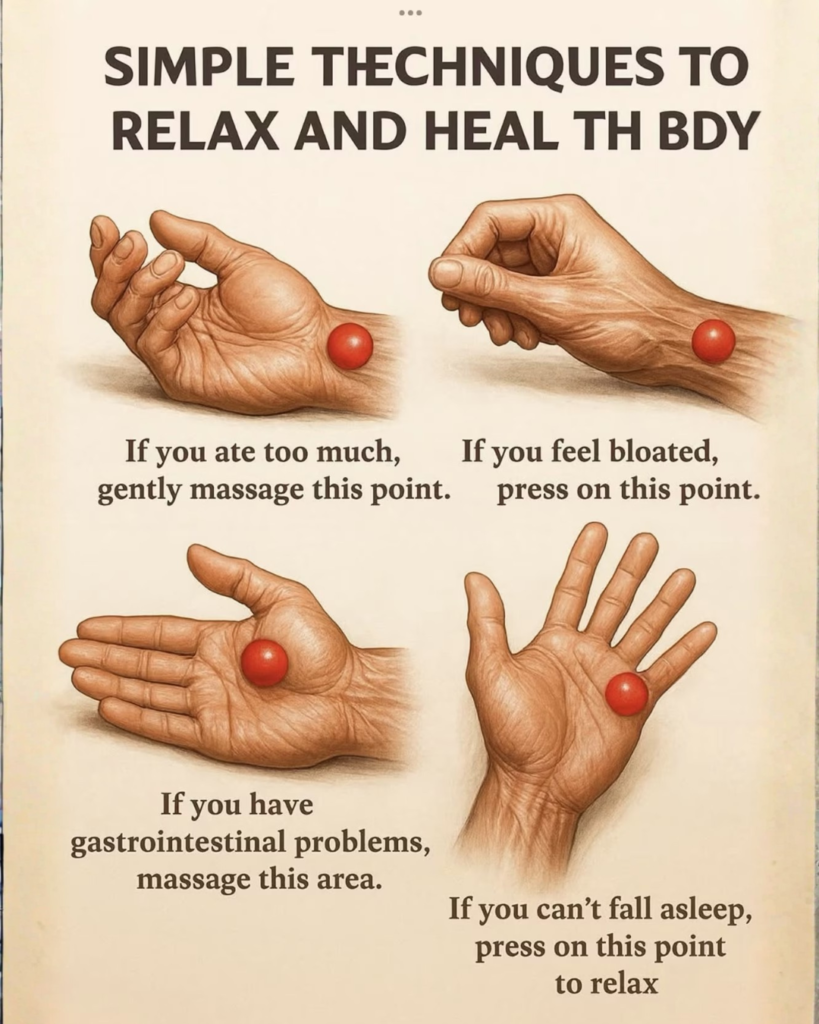
Foundation: Understanding the Relaxation Response
Before we dive into the “how,” let’s talk about the “why.” To heal the body, we must first address the Autonomic Nervous System (ANS). This system has two main branches: the Sympathetic (Fight or Flight) and the Parasympathetic (Rest and Digest). Most of us spend too much time in the former, which halts healing processes and creates inflammation.
The Power of the Vagus Nerve
The vagus nerve is the longest nerve in your body and acts as the “on-switch” for relaxation. When you stimulate this nerve through specific simple techniques to relax and heal the body, you instantly lower your heart rate and blood pressure. This creates the optimal internal environment for cellular repair.
Why Small Wins Matter
You don’t need a week-long retreat to start healing. Scientific research suggests that even five minutes of intentional relaxation can lower cortisol levels. Building confidence in these basic concepts allows you to handle larger stressors with ease later on.
Common Misconceptions About Relaxation
Many people think relaxation means “doing nothing,” like scrolling through social media. However, true relaxation is an active physiological shift. It’s about choosing activities that nourish your nervous system rather than just distracting your brain.
Step-by-Step Process: Core Methods for Daily Healing
Ready to get started? Here is a breakdown of the most effective, accessible methods to soothe your system. These are designed to be done anywhere, requiring no special equipment.
1. The 4-7-8 Breathing Technique
Breathing is the fastest way to communicate with your brain. This specific rhythm acts as a natural tranquilizer for the nervous system.
- The Method: Inhale through your nose for 4 seconds, hold your breath for 7 seconds, and exhale forcefully through your mouth for 8 seconds.
- The Frequency: Practice this four times in a row, twice a day. It’s a game-changer for falling asleep or calming down before a big meeting.
2. Progressive Muscle Relaxation (PMR)
We often carry “hidden” tension in our bodies without realizing it. PMR teaches you to recognize the difference between tension and true relaxation.
- The Method: Starting at your toes, tense each muscle group as hard as you can for five seconds, then release instantly. Work your way up to your calves, thighs, stomach, and eventually your face.
- The Benefit: This “unlocks” physical guarding patterns and improves circulation to your tissues.
3. Therapeutic Heat and Cold
Temperature is a powerful tool for physical healing.
- Heat: Use a warm compress or bath to dilate blood vessels and soothe sore muscles.
- Cold: A quick splash of cold water on your face or a 30-second cold burst at the end of your shower can “reset” your nervous system and reduce systemic inflammation.
Advanced Strategies: Pro Tips for Deep Restoration
Once you’ve mastered the basics, you can begin to layer these simple techniques to relax and heal the body for even greater results. These expert-level insights help you customize your approach to your unique needs.
Grounding and Earthing
Spending time in nature isn’t just a “nice-to-have”; it has a measurable impact on your body’s electrical charge.
- The Strategy: Walk barefoot on grass, sand, or soil for ten minutes. This practice, known as grounding, has been shown to improve sleep quality and reduce chronic pain by neutralizing free radicals in the body.
Strategic Scent and Sound
Your senses are direct pathways to the emotional centers of your brain.
- Aromatherapy: Use essential oils like lavender or frankincense to trigger immediate calming responses. (You might even try using [DIY aroma stones] to keep these scents near your workspace!)
- Binaural Beats: Listen to specific sound frequencies (Alpha or Theta waves) to encourage your brain to enter a meditative state without the years of practice typically required.
Movement as Medicine
While intense exercise is great for fitness, “healing movement” is different. Practices like Yin Yoga or Qi Gong focus on stretching the fascia and moving lymphatic fluid. This helps the body detoxify and prevents the “stagnation” that leads to stiffness and pain.
Troubleshooting: Common Challenges to Relaxation
It’s normal to face obstacles when trying to slow down. Here is how to address the most frequent setbacks with a positive, solution-oriented mindset.
“I Can’t Quiet My Mind”
The Solution: Don’t try to stop your thoughts; give them a job. Use a guided visualization where you imagine a peaceful place in vivid detail. When your mind wanders, gently bring it back to the “colors and sounds” of your imaginary sanctuary.
“I Don’t Have Time”
The Solution: Use “habit stacking.” Practice your 4-7-8 breathing while you are waiting for the coffee to brew or while sitting at a red light. You don’t need to find extra time; you just need to repurpose the “dead time” in your day.
Physical Discomfort During Stillness
The Solution: If sitting still is painful, try “active relaxation” like a slow, mindful walk. Focus entirely on the sensation of your feet hitting the ground. Movement can be just as healing as stillness when done with intention.
Maximizing Results: Next Level Tips for Long-Term Health
To build upon your success, you must view relaxation as a long-term maintenance strategy rather than a one-time fix.
How can I relax my body instantly?
The fastest way to achieve an instant “reset” is through a combination of a deep sigh and a physical “shake-out.” Inhale deeply, and as you exhale, shake your arms and legs vigorously for ten seconds. This mimics a natural animal instinct to “shake off” stress, immediately lowering your heart’s demand for oxygen and releasing muscular bracing.
Complementary Strategies
- Anti-Inflammatory Nutrition: Pair your relaxation techniques with foods that support healing. (Read more about [What Your Cravings Really Mean] to understand how to fuel your body’s recovery!)
- Digital Detox: Set a “sunset” for your electronics. Blue light inhibits melatonin, which is your body’s primary healing hormone. Turning off screens 60 minutes before bed is a powerful way to discover better sleep.
Conclusion
Mastering simple techniques to relax and heal the body is an act of self-empowerment. You have learned that healing isn’t something that just happens to you; it is a process you can actively support through breathing, movement, and mindfulness. By shifting your nervous system into a state of rest, you unlock the door to better immunity, clearer thinking, and a more joyful life.
Remember, you have the capability to succeed in this journey. Transformation happens through small, consistent steps. Choose one technique from this article to try tonight—perhaps the 4-7-8 breath or a warm bath—and notice the difference in how you feel. You deserve a body that feels vibrant and a mind that feels at peace.
Would you like me to create a 5-minute morning “Reset” routine that combines these techniques for a perfect start to your day?
Important Disclaimer: This article is for informational purposes only and should not replace professional advice. For health-related topics, consult healthcare providers. For financial or legal matters, seek qualified professional guidance. For safety procedures, verify current best practices and local regulations. Individual results may vary, and personal circumstances should always be considered when implementing any suggestions.