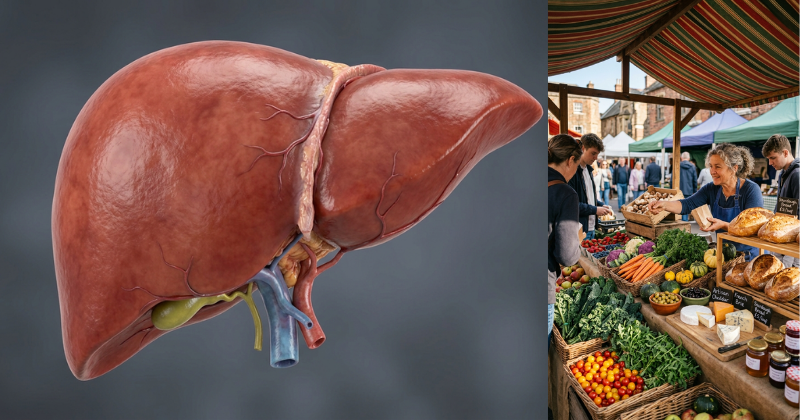
Discover the 14 Best and Worst Foods for Your Liver to boost your health. Learn which snacks cleanse and which toxins damage your body’s filter naturally today!
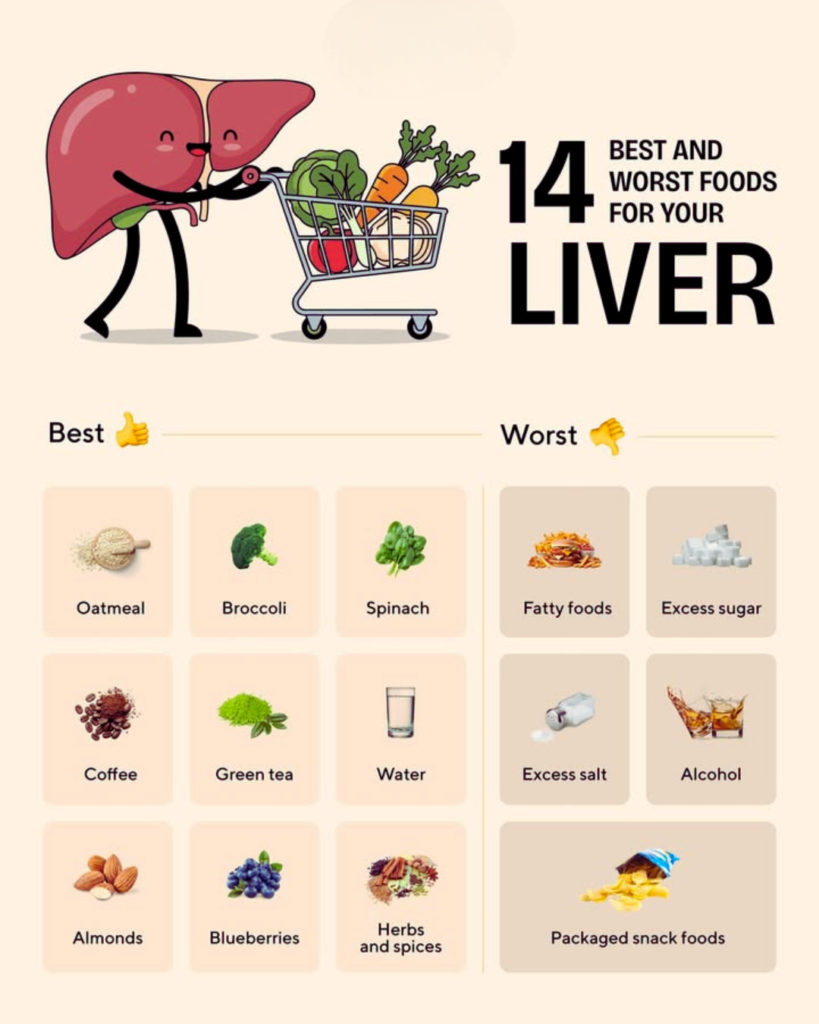
Have you ever stopped to think about the incredible “multitasker” sitting right beneath your ribs? Your liver is a true unsung hero, performing over 500 vital functions every single day, from filtering toxins and processing nutrients to regulating blood sugar. Because it works so quietly, it is easy to take for granted until things start to feel sluggish. If you have been feeling tired, bloated, or simply out of sync, your liver might be crying out for a dietary shift. By understanding the 14 Best and Worst Foods for Your Liver, you can take proactive steps to protect this vital organ and transform your overall vitality.
In this guide, we will break down exactly what to put on your plate—and what to leave off—to ensure your internal filter stays clean and efficient. We are going to explore the science of liver-loving nutrients and identify the hidden dietary culprits that cause inflammation and fatty buildup. Whether you are looking to support your metabolic health or just want to feel more energized, these choices offer a clear path to a more vibrant life. Get ready to unlock your body’s full potential as we dive into the world of hepatic nutrition. You have the capability to heal and thrive, and it all starts with your next meal!
Foundation: Understanding Your Liver’s Needs
To build your confidence in making dietary changes, it is essential to understand why certain foods impact the liver so dramatically. Unlike other organs, the liver has a remarkable ability to regenerate, but it requires the right “building blocks” to do so effectively.
The Filter and the Fuel
Think of your liver as your body’s primary refinery. When you eat, your liver processes everything you ingest. Beneficial foods provide antioxidants that neutralize oxidative stress, while harmful foods force the liver to work overtime, leading to scarring (fibrosis) or fat accumulation. If you have been following our tips on [Natural Digestive Detox Drinks for Better Gut Health], you already know that what happens in the gut directly affects the liver via the portal vein.
Addressing Common Hesitations
Many people hesitate to start a “liver diet” because they fear it will be restrictive or boring. Reassurance comes from the fact that many liver-healing foods are delicious and already in your pantry. You aren’t just “dieting”; you are providing self-care to the organ that keeps you alive. By focusing on gradual progress and sustainable lifestyle changes, you can achieve a healthier liver without feeling deprived.
Key Components of Liver Health
- Glutathione: The body’s “master antioxidant” produced largely in the liver.
- Fiber: Essential for moving toxins out of the body so the liver doesn’t have to re-process them.
- Healthy Fats: Necessary for bile production and fat-soluble vitamin absorption.
The 7 Best Foods for Liver Regeneration
Let’s look at the “superstars” that help your liver heal and thrive. These are the foundations of any liver-supportive lifestyle.
1. Coffee
How does coffee help the liver?
Surprisingly, coffee is one of the best things you can drink for liver health. Studies show that coffee consumption helps lower the risk of cirrhosis and liver cancer. It prevents the buildup of fat and collagen, which are markers of liver disease.
- Pro Tip: Keep it black or with minimal sugar to avoid counteracting the benefits.
2. Fatty Fish (Salmon, Sardines, Mackerel)
These are rich in omega-3 fatty acids, which help reduce inflammation and prevent fat from building up in the liver cells.
3. Oatmeal and High-Fiber Grains
Fiber is a liver’s best friend. It helps the digestive system work efficiently, reducing the toxic load on the liver. If you enjoy knowing [how red, green, and yellow apples support your bones], you’ll love knowing they also provide pectin, a fiber that cleanses the liver!
4. Cruciferous Vegetables (Broccoli, Brussels Sprouts)
These greens increase the liver’s natural detoxification enzymes and protect it from damage.
5. Walnuts
Among all nuts, walnuts contain the highest levels of omega-3s and glutathione, directly supporting the liver’s filtering process.
6. Turmeric
The active ingredient, curcumin, reduces inflammation and may help repair damaged liver cells. Try adding a pinch to your [Natural Digestive Detox Drinks]!
7. Olive Oil
Using olive oil instead of butter or margarine helps decrease liver enzyme levels and manage fat accumulation.
The 7 Worst Foods for Your Liver
To protect your progress, you must be aware of the “offenders” that cause cellular stress and inflammation.
8. Added Sugars (High Fructose Corn Syrup)
The liver is the only organ that can process fructose. When you consume too much, the liver turns the excess sugar into fat, leading to Non-Alcoholic Fatty Liver Disease (NAFLD).
9. Alcohol
This is the most well-known liver toxin. Excessive intake leads to inflammation, cell death, and scarring.
10. Fried Foods
High in trans fats and saturated fats, fried foods contribute to liver inflammation and oxidative stress.
11. Processed Meats (Deli Meats, Sausages)
These are often high in sodium and nitrates, which can lead to fluid retention and put unnecessary pressure on hepatic tissues.
12. White Flour (Refined Carbs)
Foods like white bread and pasta lack fiber and cause rapid blood sugar spikes, which forces the liver to store the excess energy as fat.
13. Salty Snacks
Too much salt can lead to fibrosis, the first stage of liver scarring.
14. Packaged Baked Goods
These often contain hidden “hidden toxins” like hydrogenated oils and refined sugars that are a recipe for liver fatigue.
Step-by-Step: How to Transition Your Plate
Breaking down complex dietary changes into manageable steps is the key to long-term success.
1. The “Swap” Method
Instead of cutting everything out at once, try simple swaps. Swap your white rice for quinoa, or your afternoon soda for a cup of green tea. This approach makes you feel empowered rather than restricted.
2. Timing and Hydration
Your liver works best when you are well-hydrated. Aim for half your body weight in ounces of water daily. If you struggle with morning energy, try one of the [Natural Digestive Detox Drinks for Better Gut Health] to kickstart your liver’s filtering process.
3. Read Your Labels
Check for “hidden” sugars. Names like maltodextrin, dextrose, and agave can still stress your liver. Choosing whole, one-ingredient foods whenever possible is a major “expert-level” shortcut to health.
Troubleshooting: Overcoming Common Challenges
Even with the best plan, you might face some obstacles. Here is how to handle them.
“I crave sugar in the afternoon.”
- The Solution: This is often a sign of a blood sugar dip. Have an apple with almond butter. You’ll [discover how red, green, and yellow apples support your bones] while the fiber and fat keep your liver happy and your cravings at bay.
“Eating healthy is too expensive.”
- The Encouragement: Liver-loving staples like oats, frozen broccoli, and canned sardines are some of the most budget-friendly items in the store. You can also save money by making your own [DIY Bath Bombs] or skin treatments at home, freeing up funds for high-quality olive oil!
“I feel sluggish after starting a liver-healthy diet.”
- The Solution: This is sometimes called a “healing crisis.” As your liver begins to process stored toxins, you may feel temporary fatigue. Ensure you are getting enough sleep—knowing [What to Eat Before Bed for Better Sleep] can help your body recover faster.
Maximizing Results: Next-Level Liver Care
To build upon your success, look beyond just what you eat. The liver is affected by your entire lifestyle.
Movement and Circulation
Exercise helps the liver burn through stored fat. Even 15 minutes of [8 YOGA POSES TO SREGHTEN YOUR CORE] can improve blood flow to your internal organs and stimulate detoxification.
Complementary Strategies
- Mindfulness: Stress produces cortisol, which can lead to liver fat. Using [DIY Bath Bombs] for a relaxing soak is a great way to lower stress levels.
- Toxin Reduction: Be mindful of the chemicals in your home. Switching to natural cleaning products or a [Homemade Lemon and Lilac Sugar Scrub] for your skin reduces the number of toxins your liver has to filter from your environment.
Maintenance and Growth
Liver health is a journey of continued learning. Keep experimenting with new cruciferous vegetables and herbal teas like dandelion root or milk thistle. By diversifying your intake, you unlock a new level of vitality that shines through your skin, hair, and energy levels.
Conclusion
Understanding the 14 Best and Worst Foods for Your Liver is a powerful transformative takeaway for your health journey. You have learned that supporting your liver isn’t about extreme cleanses, but about consistent, nourishing choices. By adding fatty fish and coffee while reducing refined sugars and alcohol, you are giving your body’s “filter” the break it deserves.
You have the capability to succeed and take control of your well-being. Start by making one “liver-friendly” swap today—perhaps a handful of walnuts instead of a bag of chips. Every small choice adds up to a big difference in how you feel and function. Your liver has been looking out for you your whole life; now it’s time to return the favor!
Would you like me to create a 7-day “Liver Love” meal plan with simple recipes using these 14 foods?
Important Disclaimer: This article is for informational purposes only and should not replace professional advice. For health-related topics, consult healthcare providers. For financial or legal matters, seek qualified professional guidance. For safety procedures, verify current best practices and local regulations. Individual results may vary, and personal circumstances should always be considered when implementing any suggestions.