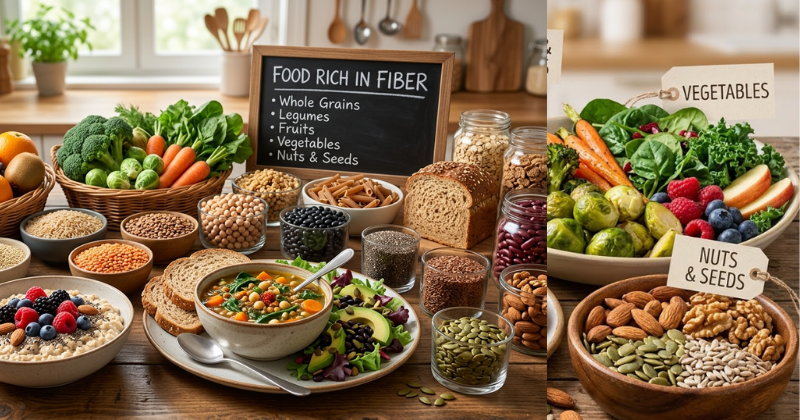
Most Americans don’t get enough daily fiber, with only 5% meeting targets. Discover how increasing fiber intake can transform your digestion and energy today!
Have you ever felt that heavy, sluggish sensation after a meal, or noticed your energy levels crashing before the afternoon even begins? You aren’t alone. In fact, there is a massive “fiber gap” in our modern diet. Statistics show that while the body craves roughage to function, a staggering 95% of adults fall short of the recommended targets. When we say Most Americans don’t get enough daily fiber — and your gut feels it, we are highlighting a direct link between what you eat and how you feel every single day.
The good news is that closing this gap is one of the simplest and most rewarding changes you can make for your health. By choosing the right plant-based foods, you can unlock a level of digestive comfort and metabolic steadying that feels like a total body reset. In this guide, we’ll explore how to naturally integrate more fiber into your life without feeling overwhelmed. Get ready to discover the science of satiety and empower your gut to work for you. You have the capability to transform your vitality, starting with your very next bite!
Foundation: Why Fiber is the Unsung Hero of Wellness
To build your confidence in making dietary changes, it is essential to understand exactly what fiber does. Unlike fats, proteins, or carbohydrates, fiber isn’t something your body digests and absorbs. Instead, it passes relatively intact through your system, performing vital “housekeeping” duties along the way.
Soluble vs. Insoluble: The Dynamic Duo
Fiber comes in two main forms, and you need both for optimal health. Soluble fiber dissolves in water to form a gel-like material, which helps lower blood cholesterol and glucose levels. Insoluble fiber, on the other hand, promotes the movement of material through your digestive system and increases stool bulk—think of it as a broom for your intestines. If you’ve been learning about [The Truth About Waist Fat (What Actually Works)], you already know that managing insulin and digestion is key to a trimmer midsection.
Addressing Common Hesitations
Many people hesitate to increase their fiber because they fear bloating or gas. This is a valid concern! However, these symptoms usually only occur when you add too much, too fast. By focusing on gradual progress and drinking plenty of water, you can avoid discomfort. Reassurance comes from knowing that your gut microbiome—the trillions of bacteria living inside you—actually “trains” to handle more fiber over time. You are quite literally feeding your inner ecosystem.
Key Components of a High-Fiber Lifestyle
- Microbiome Diversity: Feeding beneficial bacteria to improve immunity.
- Blood Sugar Stability: Slowing sugar absorption to prevent energy crashes.
- Heart Health: Binding to cholesterol to help usher it out of the body.
Step-by-Step: How to Bridge the Fiber Gap
Increasing your intake doesn’t require a radical diet overhaul. By using clear, actionable steps, you can transition to a high-fiber lifestyle that feels sustainable and enjoyable.
1. The “Half-Plate” Rule
How can I easily get more daily fiber at every meal?
One of the most effective shortcuts is to ensure half of your plate consists of vegetables or fruits. This naturally crowds out lower-fiber processed foods.
- Actionable Tip: Keep a bag of frozen berries or spinach in your freezer. They are just as nutritious as fresh and can be tossed into almost any meal in seconds.
2. Swap Your Grains
Don’t give up your favorite comfort foods; just upgrade them. Swap white rice for brown rice or quinoa, and trade white bread for sprouted grain varieties. These “whole” versions contain the bran and germ, which is where the fiber resides.
3. The Power of “Bean-Loading”
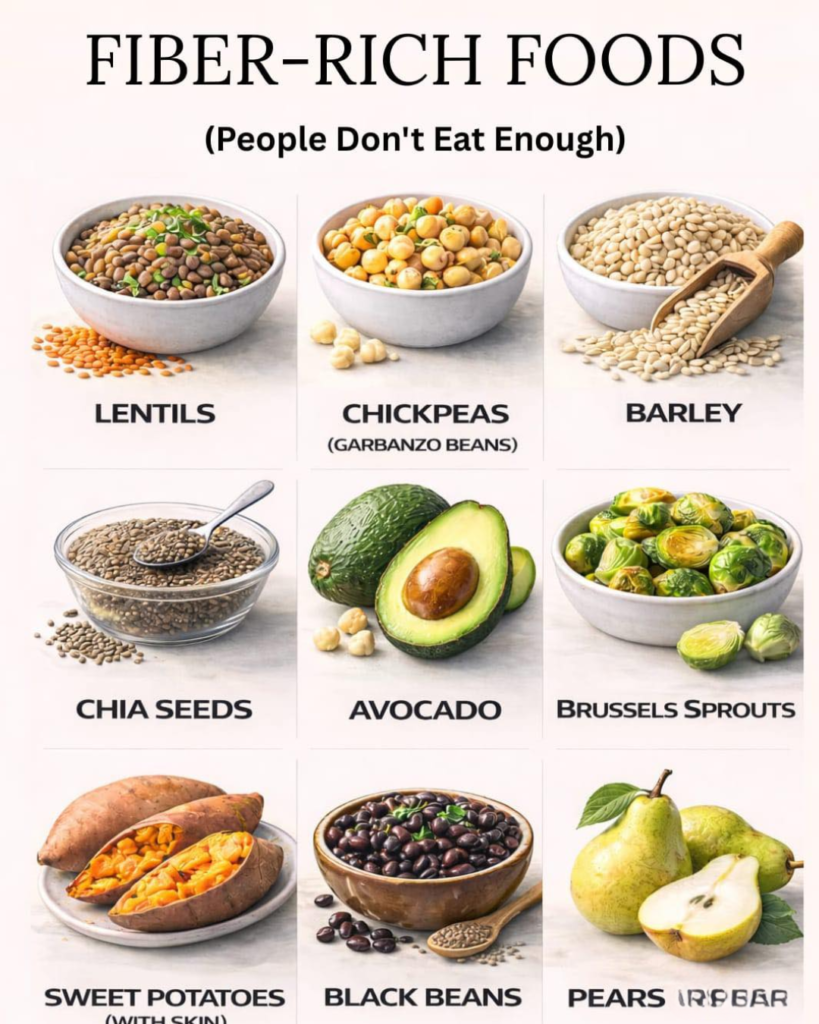
Legumes—lentils, chickpeas, and black beans—are the absolute champions of the fiber world. Adding just a half-cup of beans to your salad or soup can provide up to 8 grams of fiber. If you are already looking into [Natural Home Remedies for Treating Colds and Flu], you’ll appreciate how the prebiotic fiber in beans supports the immune cells located in your gut.
4. Eat Your Water
Fiber needs hydration to work. Without enough water, fiber can actually lead to constipation.
- The Method: Aim for one glass of water for every high-fiber snack or meal you consume. This ensures the fiber stays slippery and moves through your system efficiently.
Advanced Strategies: Pro Tips for Gut Health
Once you’ve mastered the basics, you can share in expert-level insights to further customize your approach. Advanced fiber strategies can help you maximize your results and fine-tune your energy.
Discover Resistant Starch
Share in the “pro” secret of resistant starch. When you cook and then cool certain starchy foods—like potatoes or pasta—they develop a type of fiber called resistant starch. This starch isn’t digested in the small intestine; instead, it travels to the large intestine to feed the most beneficial bacteria. This is an incredible tool for anyone working on [The Truth About Waist Fat (What Actually Works)].
Seed Your Smoothies
Chia seeds and ground flaxseeds are nutritional powerhouses. Chia seeds can absorb up to 10 times their weight in water, creating a soothing gel for your digestive tract. Adding two tablespoons to a morning smoothie provides nearly 10 grams of fiber before your day has even fully started.
Creative Cooking Variations
Instead of using breadcrumbs for coating proteins, try using ground oats or almond meal. These small adaptations add up throughout the week, helping you achieve your goals through “stealth health.” Experimentation is encouraged—your palate will adapt to the hearty textures of whole foods surprisingly quickly.
Troubleshooting: Overcoming Common Fiber Obstacles
Even with the best intentions, you might face some hurdles. Here is how to handle frequent challenges with solution-focused encouragement.
“I feel bloated every time I eat beans.”
- The Solution: Try the “soak and rinse” method for dried beans, or thoroughly rinse canned beans to remove excess sugars that cause gas. Also, consider an enzyme supplement during your transition period. Remember, your gut is like a muscle—it needs time to get stronger!
“High-fiber foods are too expensive.”
- The Solution: Focus on staples. Dried lentils, oats, and cabbage are some of the cheapest items in the grocery store and offer the highest fiber-per-dollar ratio. You don’t need “superfood” powders to succeed.
“I’m too busy to prep vegetables.”
- The Preventive Measure: Use the “Sunday Prep” strategy. Chop your peppers, broccoli, and carrots once a week and store them in clear containers at eye-level in your fridge. When you are tired and hungry, the easy choice will also be the healthy choice.
Maximizing Results: The Long-Term Gut Connection
Building upon your fiber success involves looking at your lifestyle as a whole. Your gut health is a reflection of your entire environment.
Complementary Wellness Strategies
Fiber works best when your body is in a relaxed state. If you are constantly stressed, your digestion slows down, making fiber less effective. Incorporating [8 YOGA POSES TO STRENGTHEN YOUR CORE] can physically stimulate your digestive organs, while practicing [Better Sleep Naturally: 8 Habits That Actually Work] ensures your body has the energy it needs to process nutrients efficiently.
Maintenance and Consistency
Achieving your fiber goals isn’t about a one-week “detox.” It is about a lifelong commitment to your microbiome. As you continue to discover the benefits of daily fiber, you’ll notice that cravings for processed sugars naturally diminish. This is because fiber keeps you full and your blood sugar stable.
Inspiring Continued Growth
Don’t be afraid to try new plants. The more diverse your fiber sources, the more diverse your gut bacteria will be. Try a new vegetable every time you go to the store. The capability to transform your health is literally in the palm of your hand—or on the tip of your fork. Achieve your best self by nurturing the incredible ecosystem within you!
Conclusion
The evidence is clear: Most Americans don’t get enough daily fiber — and your gut feels it. By acknowledging this gap and taking small, actionable steps to fill it, you are performing a profound act of self-care. You have discovered that fiber is more than just a digestive aid; it is a tool for heart health, blood sugar management, and long-term energy.
You have the capability to succeed and bridge the fiber gap starting today. Whether it’s adding a scoop of chia seeds to your breakfast or swapping your white rice for brown, every choice counts. Listen to your gut, feed it well, and enjoy the transformation in how you feel, look, and live. Your journey to a more vibrant life starts with a high-fiber foundation!
Would you like me to create a “High-Fiber Grocery Swap List” to help you find better alternatives for your favorite snacks?
Important Disclaimer: This article is for informational purposes only and should not replace professional advice. For health-related topics, consult healthcare providers. For financial or legal matters, seek qualified professional guidance. For safety procedures, verify current best practices and local regulations. Individual results may vary, and personal circumstances should always be considered when implementing any suggestions.